
REVIEW · USA
Los Angeles: Heal The Bay Aquarium in Santa Monica
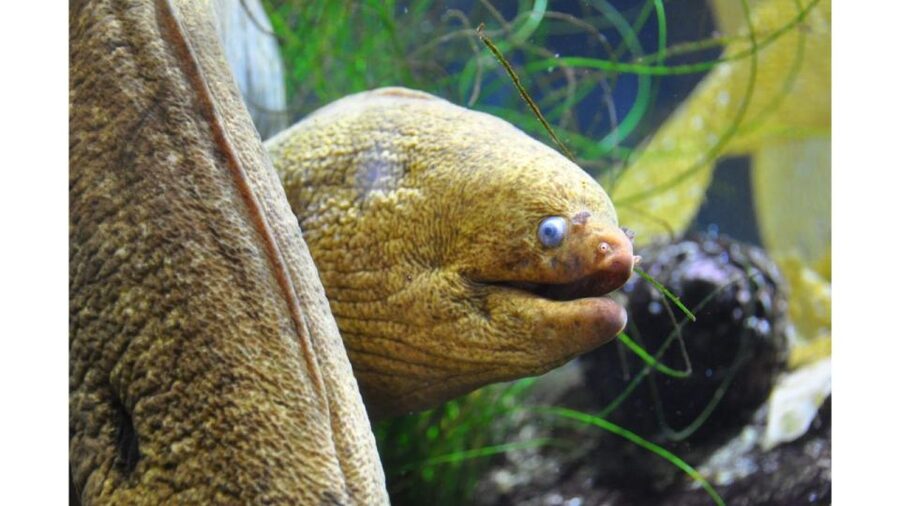
Heal the Bay Aquarium puts its best feature right at your fingertips: touch tanks where you can feel selected marine life rather than simply peer through glass. You can also watch Pacific habitats, learn how local species fit together, and sometimes catch an eel feeding.
I like the direct contact with sea creatures, and I like that your admission supports an organization focused on ocean research, conservation, and advocacy. The main catch is size. Some visitors finish in 15 minutes, so this is better as a focused Santa Monica stop than a full-day aquarium outing.
Key points
- Touch tanks bring Pacific marine life within reach, making the visit especially appealing for children and curious first-time aquarium visitors.
- Eel feedings can be a highlight, so ask local staff if one is scheduled during your visit.
- The aquarium is small, with a limited number of exhibits and aquariums.
- Conservation is central, with education programs tied to protecting the Pacific Ocean.
- The $10 admission is fair for a short visit, and children 12 and under enter free with an adult.
- Santa Monica’s oceanfront setting adds value, letting you connect the displays with the Pacific outside.
What Heal the Bay Aquarium Does Best

Heal the Bay Aquarium is not trying to compete with a giant city aquarium. Its purpose is more local and focused. The exhibits introduce you to Pacific marine life, while the education program explains why clean water, healthy habitats, and responsible choices matter.
That smaller scale can work in your favor. You are not racing through hundreds of tanks or trying to keep children interested through a huge building. Instead, you get a compact look at marine ecosystems and a chance to handle selected sea creatures.
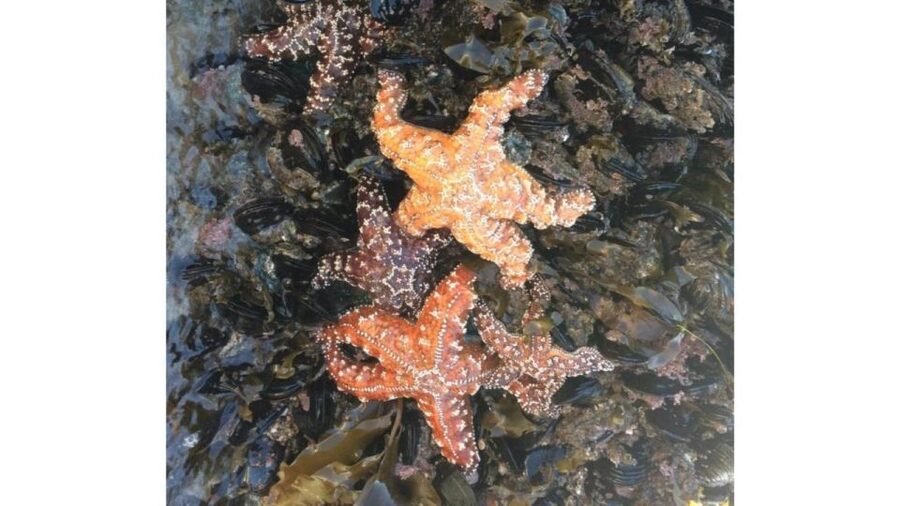
I especially like the hands-on approach. A glass tank can show you the shape and movement of an animal, but a touch tank adds a physical connection. You feel the cool, slippery surface of sea life and start thinking about these animals as living parts of the ocean, not just decorations behind glass.
The aquarium also links its displays to action. Heal the Bay works beyond the aquarium through research, conservation, and advocacy. That gives the visit a purpose beyond entertainment. You are paying for admission, but you are also supporting an organization that works to protect marine life and promote sustainable practices.
A few more aquarium trips around the USA worth a look
- Atlanta: Georgia Aquarium Skip-the-Box-Office Entry Ticket
★ 4.7 · 3,476 reviews - The Florida Aquarium Ticket
★ 4.6 · 979 reviews - Las Vegas: Shark Reef Aquarium Entry Ticket
★ 4.3 · 892 reviews
A Short, Hands-On Route Through the Exhibits
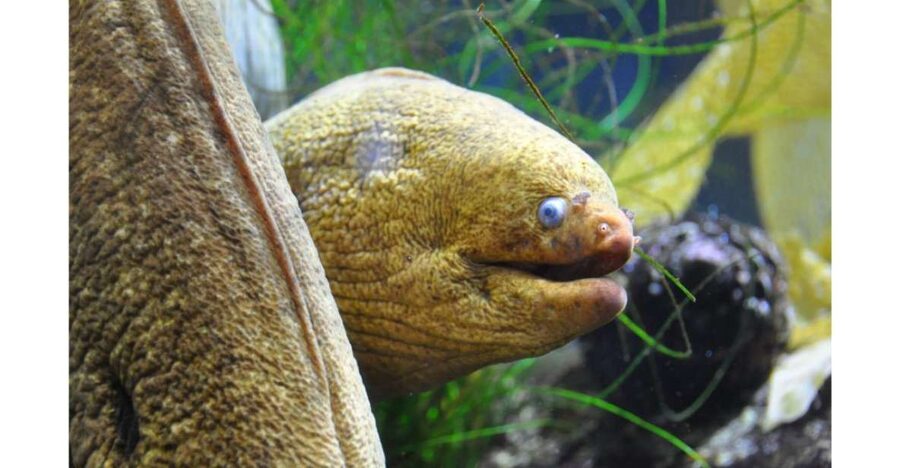
Your visit does not follow a long, fixed tour with many separate stops. It is better understood as a compact, self-paced route through local marine displays, touch tanks, and educational areas.
Start by looking at the aquarium’s Pacific exhibits. You might see displays focused on habitats such as kelp forests, along with sea creatures adapted to life in coastal waters. These exhibits help show how an ecosystem works as a connected system. The fish, invertebrates, plants, and water quality all depend on one another.
The presentation is not large-scale. The number of aquariums is limited, and some displays may not be lit as clearly as you would hope. That matters if your main goal is to photograph fish or see a wide range of species. I would come here for the subject and the learning, not for a grand visual production.
Next, spend time at the touch tanks. This is usually the most memorable part for children, and it gives adults a reason to slow down. Follow the staff’s instructions, touch gently, and let the animals set the pace. The hands-on format works best when you treat it as a quiet observation activity rather than a quick turn at a novelty station.
The education programs add context to what you see. Staff can explain the animals, their habitats, and the pressures facing the Pacific. The emphasis is on building a sense of responsibility. You are encouraged to consider how everyday choices affect ocean health.
If an eel feeding is scheduled, make time for it. One visitor found watching the eels eat to be the most memorable part of the visit. Feeding programs add movement and give you a better chance to see how an animal behaves, rather than only seeing it resting in a tank. Since no schedule is provided here, ask staff when you arrive.
Why the Touch Tanks Matter
Touch tanks are not just a child-friendly extra. They change how you pay attention. When you know you can gently touch a sea creature, you tend to look more closely at its texture, shape, and movement.
That physical contact can also make conservation lessons stick. It is easier to care about an animal once you have encountered it directly. For children, this can turn a general message about ocean protection into something personal and clear.
The experience still has limits. Not every animal can be touched, and the activity depends on staff guidance and the condition of the animals. You should not expect constant interaction throughout the visit. The touch tanks are one part of a small aquarium, not an all-day program.
I would rate this feature highly for families with young children, school-age children, and anyone who enjoys learning through direct experience. It is less important if you prefer large tanks, rare species, or elaborate habitat recreations.
Pacific Habitats Without the Giant Aquarium Price
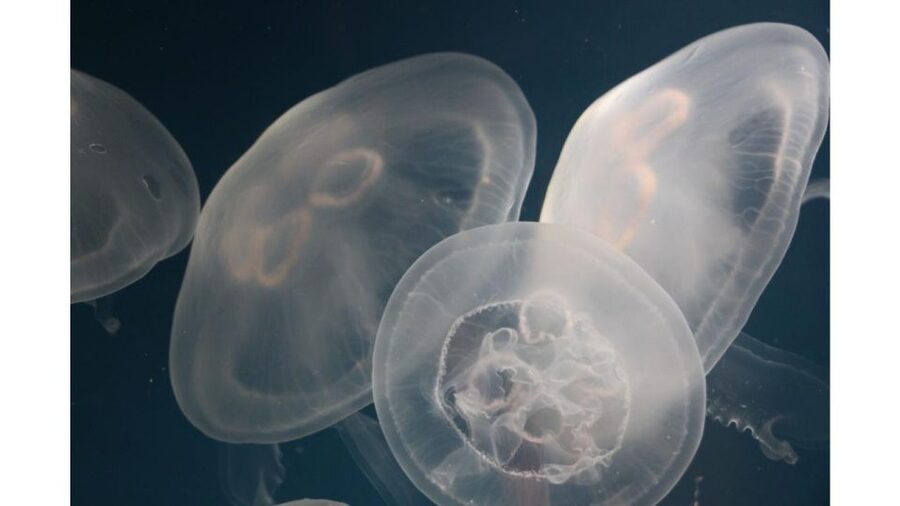
The displays focus on marine life connected to the Pacific. You may see how kelp forests support a network of sea creatures, and how different species occupy different parts of a coastal habitat.
This local focus is useful. You do not need a long scientific lecture to understand the basic idea: a healthy ocean depends on many connected forms of life. When one part suffers, other parts can suffer too.
At the same time, keep your expectations in check. A $10 aquarium is not likely to offer the scale, lighting, and number of species found at a major metropolitan aquarium. The attraction is small enough that you may see the main displays in 15 minutes, especially if you move quickly.
I would plan on 30 to 60 minutes if you want to read the information, use the touch tanks, speak with staff, and wait for a feeding. Some people will finish faster. Others may stay longer if the education activity is running or if children want more time at the tanks.
The advertised validity is one day, but that does not mean you need to reserve an entire day for the aquarium. It means your admission is valid for the date you choose. Build it into a larger Santa Monica outing rather than treating it as the only activity.
Same city, a different tank:
- SeaWorld Orlando: Park Admission Ticket
★ 4.4 · 1,706 reviews - Big Fun Dolphin Cruise & Sealife Experiece ORANGE BEACH ALABAMA
★ 5.0 · 815 reviews - The Florida Aquarium in Tampa General Admission
★ 4.5 · 757 reviews - LA: Aquarium of the Pacific Skip-the-Line Entry
★ 4.5 · 747 reviews
The Conservation Mission Behind the Admission
Heal the Bay Aquarium’s strongest argument is its mission. The organization does not stop at displaying animals. It also works in research, conservation, and advocacy connected to marine protection.
That mission affects how you should judge the price. At $10 per person, the admission is inexpensive compared with many major aquariums. The visit may be brief, but your money supports a nonprofit-style conservation effort and its public education work.
This is why I would be more forgiving of the modest size. If you want a long day of entertainment, the value is limited. If you want a short educational stop that supports ocean protection, the price makes more sense.
Children 12 and under enter free when accompanied by an adult. That improves the value for families, especially if several children are in your group. Food and drinks are not included, and there is no hotel pickup or drop-off, so you should budget for those separately if needed.
The aquarium also encourages you to think about your own role in protecting the ocean. That might sound broad, but it is practical in context. The exhibits connect marine life with the choices people make about waste, water, and sustainable habits.
How the Staff Shape the Visit
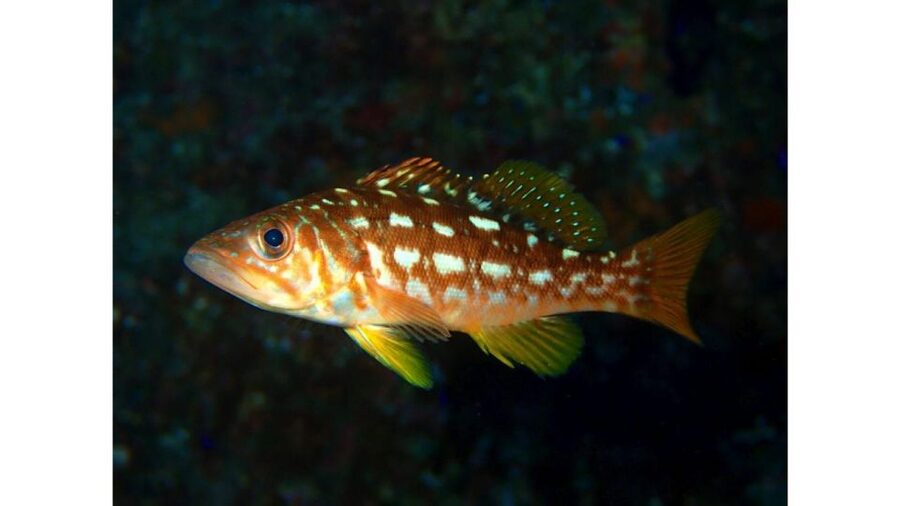
The staff are an important part of the experience. Their role is not simply to point you toward the next exhibit. They help explain what you are seeing, guide the touch-tank activity, and connect the animals to wider conservation concerns.
The available information identifies English as the language used by the host or greeter and in the education program. If you want detailed explanations, plan to ask questions in English.
Staff interaction can also improve a short visit. A small aquarium may feel thin if you only walk past the tanks. A conversation about an animal, habitat, or feeding session gives the displays more meaning.
No individual guide names are provided, so you should not expect a named tour leader or a formal guided walk. This is a local aquarium visit with staff-led information rather than a traditional sightseeing tour.
Timing, Price, and the Question of Value
The listed price is $10 per person, with free admission for children 12 and under when accompanied by an adult. That is a reasonable entry fee for a conservation-focused aquarium, but the value depends on how long you stay.
If you spend only 15 minutes inside, the admission can feel high for the amount of exhibit space. One visitor described the aquarium as very small and felt it took no more than 15 minutes to see. Another felt the price was acceptable because of the conservation cause but still found the aquarium smaller than expected.
A better visit takes some patience. Use the touch tanks. Read the educational material. Ask about the eels. Give children time to observe rather than pushing them from one display to the next.
I would consider the price good for:
- A family with children 12 and under, since those children enter free
- A visitor who wants a short conservation stop near the Pacific
- Anyone who values hands-on learning more than a large collection
- People who want their admission to support ocean protection
I would be cautious if you expect:
- A large aquarium with many galleries
- A full-day attraction
- Extensive underwater viewing
- Perfect lighting for every fish
- A long formal guided tour
The flexible booking terms help if your schedule may change. You can reserve now and pay later, and cancellation is free up to 24 hours before the visit for a full refund. The activity is valid for one day, with availability and starting times checked during booking.
Who Will Enjoy This Aquarium Most

Families with young children are the clearest match. The touch tanks give children something to do, and the conservation message adds substance to the visit. Free entry for children 12 and under also helps keep the cost down.
It also suits visitors already spending time in Santa Monica. Since the aquarium is small, you can combine it with a walk by the Pacific Ocean and use the outdoor setting to make sense of what you saw indoors.
Ocean-minded visitors may appreciate the mission more than people seeking spectacle. Heal the Bay’s work in research, conservation, and advocacy gives the aquarium a clear reason to exist. The visit feels less like a giant attraction and more like a public education project with live animals.
I would not make this your main destination if you have only one day in Los Angeles and want a major aquarium experience. The limited number of tanks and short visit time may leave you wanting more.
Practical Tips for a Better Visit
Go in with the right time frame. Set aside about 30 to 60 minutes if you want to enjoy the exhibits, touch tanks, staff explanations, and any feeding activity. You might finish in 15 minutes if you simply walk through.
Ask about eel feeding times as soon as you arrive. The feeding is not guaranteed by the information provided, but it has been a particularly memorable part of the experience when available.
Give the displays a moment before moving on. Some fish may be hard to see because lighting can be limited. A slower look may reveal more than a quick glance.
If you are visiting with children, explain the touch-tank rules before you begin. Gentle handling protects the animals and makes the activity calmer for everyone.
Do not count on food or drinks being included. Bring your own plan for refreshments, and remember that hotel transport is not part of the admission.
Finally, treat the aquarium as one piece of a Santa Monica day. The connection between the indoor exhibits and the Pacific outside is part of the point. You can see the aquarium, think about the local marine environment, then continue your day beside the ocean.
Should You Book Heal the Bay Aquarium?
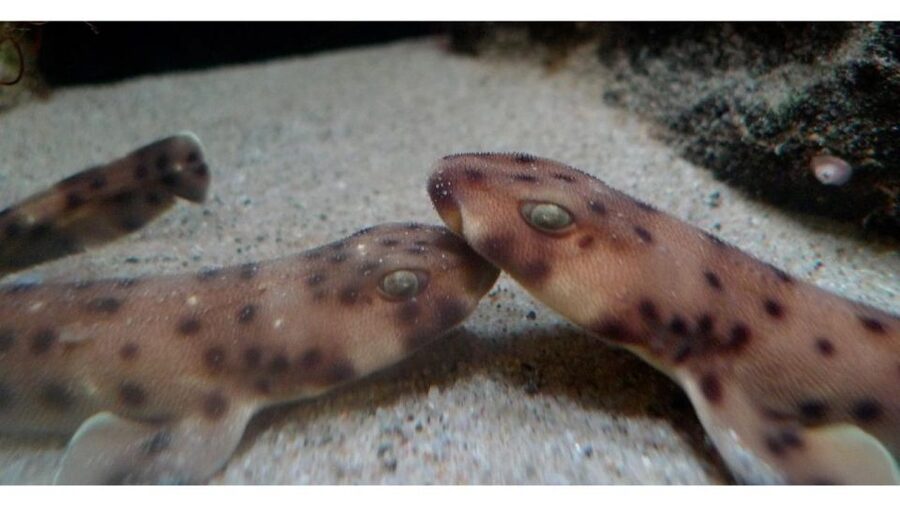
Book it if you want a low-cost, hands-on introduction to Pacific marine life and you are comfortable with a small aquarium. The touch tanks, possible eel feeding, helpful staff, and conservation mission give the visit real purpose.
Skip it if you expect a large collection or a full day of exhibits. The short visit time and limited aquariums are the main drawbacks, and the displays may not always be lit well enough for easy viewing.
My advice is simple: include Heal the Bay Aquarium in a Santa Monica outing, especially if you have children or care about ocean conservation. At $10, it is a fair supporting visit, but do not mistake the one-day validity for a one-day attraction.
FAQ
How much does admission to Heal the Bay Aquarium cost?
Admission is $10 per person. Children 12 and under enter free when accompanied by an adult.
How long should I plan to spend at the aquarium?
The activity is valid for one day, but the aquarium itself is small. You might see the main displays in about 15 minutes, while a slower visit with touch tanks, staff explanations, and a possible feeding can take 30 to 60 minutes.
Can I touch marine life at the aquarium?
Yes. The visit includes touch tanks where you can gently interact with selected marine life under staff guidance.
Does the aquarium offer conservation education?
Yes. Heal the Bay Aquarium provides education programs focused on ocean conservation and connects its exhibits with research, conservation, advocacy, and sustainable practices.
Is food or transportation included?
No. Food and drinks are not included, and hotel pickup and drop-off are not provided.
Can I cancel my reservation?
Yes. You can cancel up to 24 hours in advance for a full refund. You can also reserve now and pay later, subject to the booking terms.
Just added around the USA
- From Orlando: Clearwater Beach and Marine Aquarium Admission★ 5.0 · 7 reviews
- Muir Woods with Napa & Sonoma Wine Tour + Alcatraz Tour & Aquarium Access★ 5.0 · 2 reviews
- LEGOLAND California: SEA LIFE & Water Park 2nd Day Free★ 3.4 · 9 reviews
- Georgia Aquarium: Sea Lion Encounter★ 4.7 · 7 reviews
- Columbus, OH: Columbus Zoo and Aquarium Entry Ticket★ 3.0 · 2 reviews
- Auburn Hills: Legoland and Sea Life Aquarium Combo Ticket★ 3.9 · 10 reviews
- Austin Aquarium Entry Ticket★ 4.4 · 2 reviews
- California: LEGOLAND Theme Park and SEA LIFE 2-Day Access★ 4.8 · 17 reviews
USA Aquariums, compared.

Atlanta: Georgia Aquarium Skip-the-Box-Office Entry Ticket
Read our review →



Big Fun Dolphin Cruise & Sealife Experiece ORANGE BEACH ALABAMA
Read our review →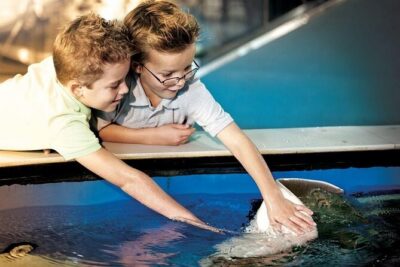
The Florida Aquarium in Tampa General Admission
Read our review →
LA: Aquarium of the Pacific Skip-the-Line Entry
Read our review →
Boston: New England Aquarium Entry + Optional Simons Theatre
Read our review →Browse the lists this tour appears in