
REVIEW · NEW ZEALAND
Napier: National Aquarium of New Zealand General Admission
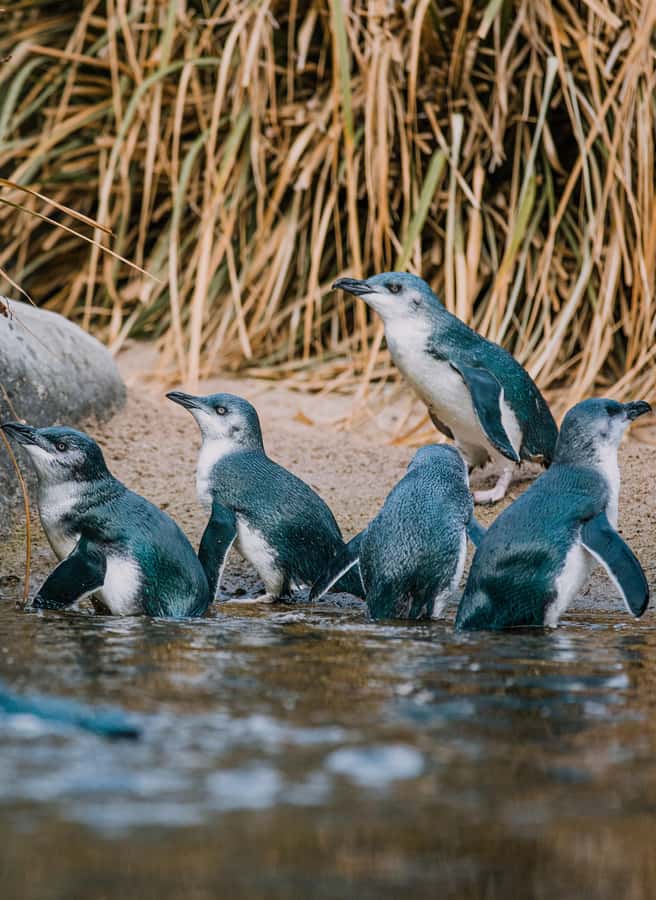
The best part of Napier’s National Aquarium is its simple journey from mountains to sea. You begin with native land species such as brown kiwi and tuatara, then move through freshwater life, little blue penguins, and a large underwater exhibit filled with marine creatures.
I like the mix of New Zealand wildlife and wider ocean habitats, since you get more than a standard fish display. I also like the scheduled talks and feeding displays, especially the chance to time your visit around the 10am or 2pm fish feeding. The main consideration is that this is a self-guided aquarium rather than a fully led tour, so you need to plan your own route and check the daily activity times.
Key points to know before you go
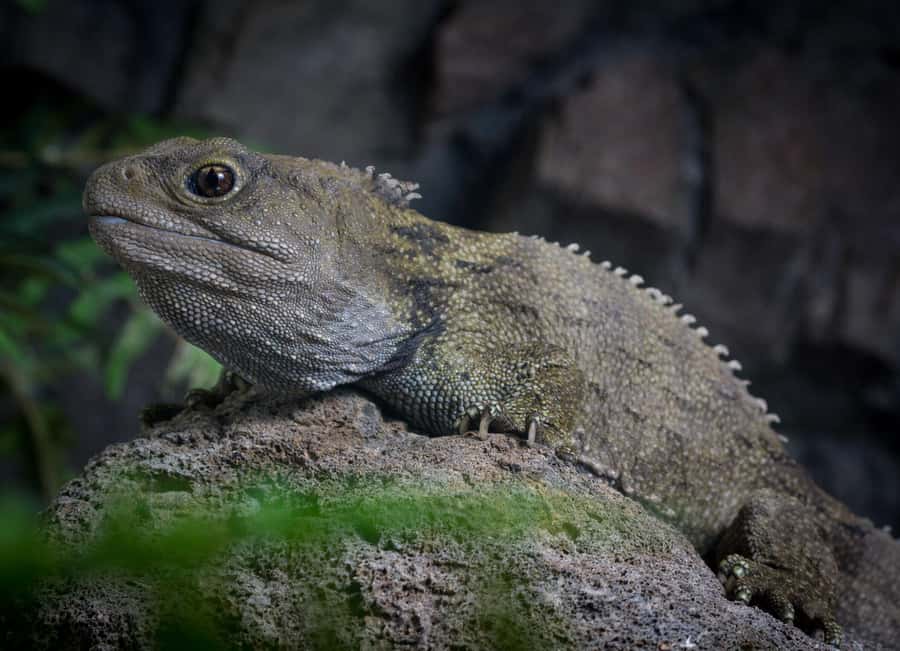
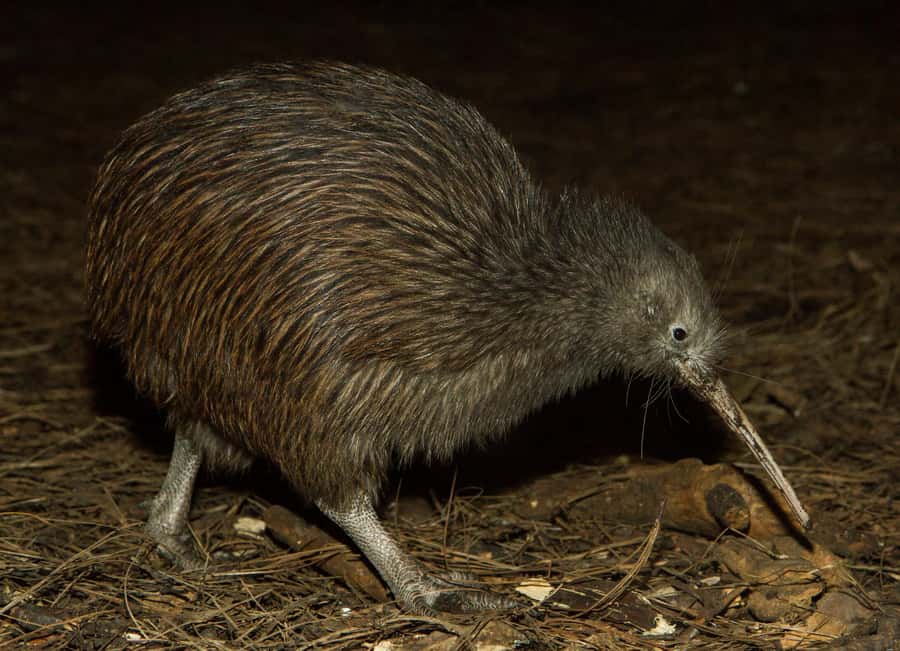
- See New Zealand icons in one visit: Brown kiwi, tuatara, tuna, eels, and little blue penguins are part of the route.
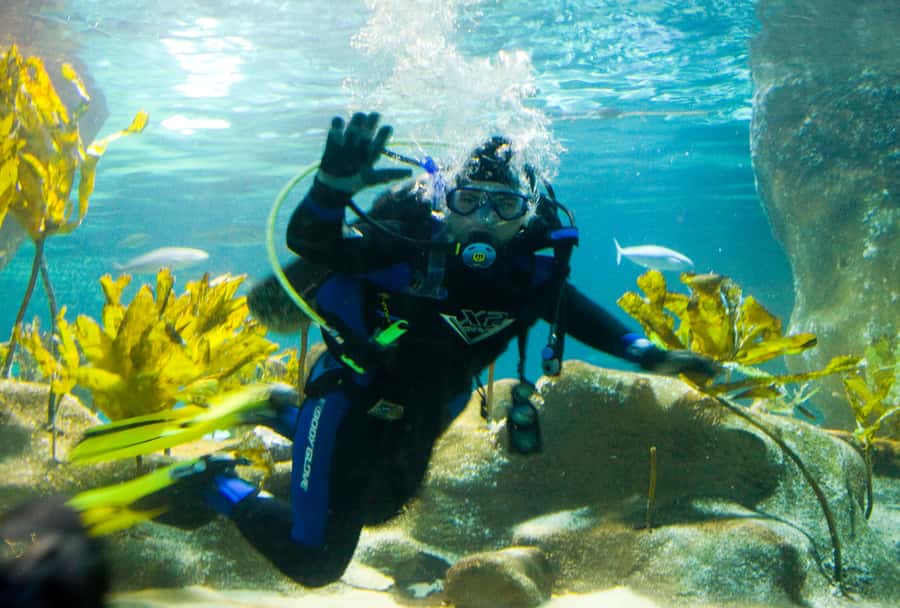
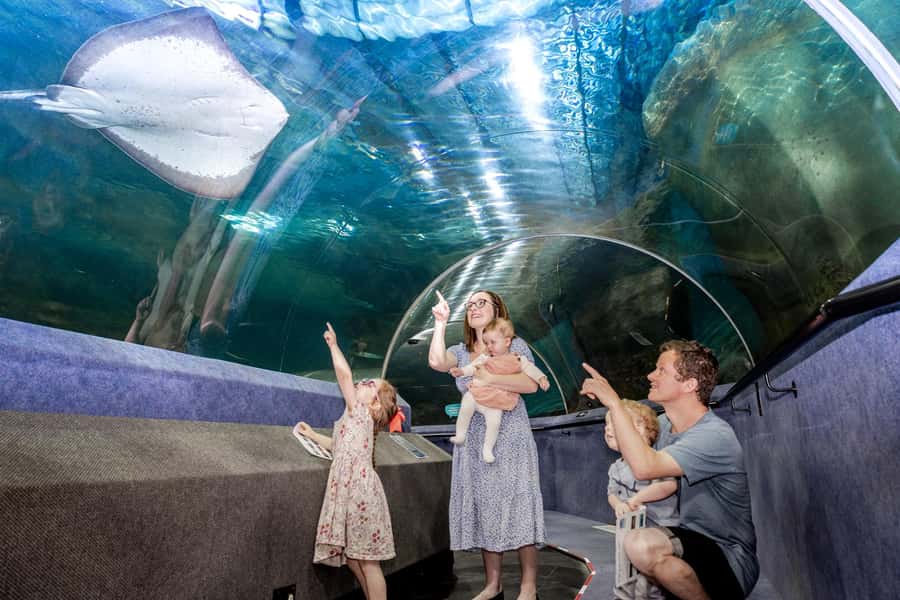
- Walk beneath marine life: The underwater tunnel gives you views of turtles, rays, and other sea creatures overhead.
- Plan around keeper activities: Fish feeding takes place at 10am and 2pm, while penguin talks are held at 9:30am, 1:30pm, and 3:30pm.
- Expect more than local species: The aquarium combines Hawke’s Bay wildlife with reef fish, native New Zealand sharks, and global ocean habitats.
- Use it as a weather-proof Napier stop: The attraction is central, family-friendly, wheelchair accessible, and open daily from 9am to 5pm.
- Get all-day access: Your ticket covers entry for one day, so you can take your time rather than rush from exhibit to exhibit.
Starting with kiwi and tuatara
The visit begins away from the sea, with an introduction to New Zealand’s native wildlife. Brown kiwi and tuatara are the stars here. These animals help set the scene for the rest of the aquarium, because the experience is not only about fish tanks. It is also about the species and habitats of Aotearoa.
Kiwi are one of New Zealand’s best-known native birds, while tuatara are an especially distinctive part of the country’s natural story. Seeing them before you reach the marine exhibits gives the visit a useful sense of place. You are not simply walking through a collection of unrelated animals. You are starting with local species, then following the path toward rivers, coasts, and open ocean.
The conservation message matters here. New Zealand’s native animals face particular pressures, and the aquarium uses its exhibits to connect wildlife viewing with the need to protect habitats. You should not expect a long lecture before each display, but the overall route keeps conservation in view.
This first section will appeal most to families and to anyone who wants some New Zealand context before focusing on marine life. If you are visiting Napier for a short time, it also gives you a compact introduction to several native species in one central attraction.
More Aquarium Entry Tickets in the world:
- Barcelona Aquarium: Entry Ticket
★ 4.4 · 16,717 reviews - Genoa: Aquarium of Genoa Entry Ticket
★ 4.5 · 10,075 reviews - Atlanta: Georgia Aquarium Skip-the-Box-Office Entry Ticket
★ 4.7 · 3,476 reviews
Freshwater life from rivers to coast
As you move onward, the exhibits shift toward freshwater and coastal life. Tuna, the Māori name commonly used for freshwater eels, are among the local species included here. Their presence broadens the visit beyond the more familiar kiwi and penguins.
The route helps show how water connects the country from inland streams to the sea. You get a clearer sense that conservation is not limited to beaches or offshore reefs. Rivers, wetlands, and coastal waters all form part of the same living system.
The aquarium also includes introduced species. That is a useful detail for families, since it gives you a chance to compare New Zealand natives with animals that are not originally from the country. The exact emphasis will vary by exhibit, but the overall mix keeps the experience from feeling like a single-species showcase.
I would take this section at a measured pace rather than racing toward Penguin Cove. Children often notice movement first, while adults may get more from reading the habitat information and considering how freshwater species fit into the larger picture.
Little blue penguins at Penguin Cove
Penguin Cove is one of the most approachable parts of the visit. Little blue penguins are the smallest penguin species, and their compact size makes them especially engaging to watch. The aquarium includes scheduled penguin talks at 9:30am, 1:30pm, and 3:30pm daily.
If penguins are high on your list, plan around one of these times. The talk gives the display more context than you would get from simply walking past the viewing area. It also helps you build a sensible route through the aquarium, particularly if you arrive near one of the listed times.
The late afternoon talk at 3:30pm can work well for visitors who prefer a slower morning, while the 9:30am session suits early starters. The 1:30pm option fits neatly into a midday visit. Since the aquarium is open from 9am to 5pm, you have room to choose the timing that best fits your day in Napier.
Penguin Cove is also a good pause between the land-based displays and the larger marine exhibits. The visit changes pace here. Instead of looking at a broad collection of species, you get a focused encounter with one of New Zealand’s most appealing coastal birds.
Fish feeding at 10am and 2pm
The daily fish feeding displays are worth planning for. They take place at 10am and 2pm, giving you two clear chances to see the animals become more active around feeding time.
Feeding displays add movement and purpose to an aquarium visit. Rather than seeing fish simply pass through the water, you can watch how the animals respond to food and how keepers manage the display. These sessions also bring the conservation message into practical focus, showing how staff care for the animals in their charge.
If you have a full day in Napier, you could arrive for the 10am feeding and then continue through the exhibits. If you are pairing the aquarium with other stops, the 2pm session may be easier to fit in. The ticket allows entry for one day, but the supplied information does not give a fixed visit length, so your best plan is to allow enough time for the talks and feeding display you want to attend.
The feeding times are especially helpful for families. Young children often stay more focused when there is a scheduled event ahead, and adults get a clear reason to slow down at the marine exhibits.
A few more aquarium trips around the world worth a look
- Dubai: Aquarium and Underwater Zoo Experience
★ 4.2 · 4,872 reviews - Atlantis Aquaventure Ticket (with options for Aquarium), Dubai
★ 4.5 · 4,679 reviews - London: SEA LIFE Entry Ticket
★ 4.4 · 3,428 reviews - Mallorca: Palma Aquarium Entry Ticket w/ Optional 3D Cinema
★ 4.5 · 3,076 reviews
The underwater tunnel and largest exhibit
The final major section is the aquarium’s largest exhibit, where the route takes you under the water. The underwater tunnel lets you look up at turtles and rays as they pass overhead. It is the most theatrical part of the visit, but it still works because it places you inside the animals’ world rather than viewing everything from outside a tank.
The tunnel also gives you a different view of marine movement. Rays glide above you, while turtles and fish pass through the water at varying levels. You may find this section more memorable than a row of smaller tanks because the scale changes the way you look at the animals.
The marine collection includes more than 100 species, from reef fish to native New Zealand sharks. That range gives the final section plenty of variety. You can move from small, colorful fish to larger animals and then pause to watch the rhythm of the water in the tunnel.
The attraction also presents global ocean habitats alongside local Hawke’s Bay species. That comparison is useful. You can see New Zealand’s marine life as part of a wider ocean system, rather than treating local waters as an isolated subject.
The underwater section may be the busiest part of your visit, especially around a scheduled display, but the aquarium is open all day. If you want a quieter look, you can return later during your ticketed day if the timing works for you.
Why the conservation message works
The aquarium’s conservation approach is most effective when it stays connected to real animals. Kiwi, tuatara, eels, penguins, sharks, turtles, and rays each represent a different kind of habitat and conservation concern.
You will not see only exotic marine life. The local species give the visit a direct connection to New Zealand, while the global exhibits show that ocean care reaches far beyond Hawke’s Bay. That balance makes the aquarium useful for visitors who want entertainment but also want to understand what they are looking at.
Keeper talks and feeding displays help make the message practical. You get to see the staff working with the animals rather than reading only general statements about the ocean. The conservation theme is present without requiring you to spend the entire visit in a formal educational program.
For adults, this context adds value to the admission price. For children, it can turn an attractive animal display into a basic lesson about habitats, native species, and responsible care.
Is the $17 admission good value?
At $17 per person, the aquarium is reasonably priced for a full-day admission in central Napier. The value depends on how much of the day you use. A quick visit focused only on penguins and the tunnel will feel different from a visit that includes the native species, keeper talks, feeding displays, and time with the larger marine exhibits.
The all-day ticket gives you flexibility. You do not need to force every exhibit into one fast circuit, and you can plan around the 10am or 2pm fish feeding and one of the three penguin talks. That is useful if you are traveling with children or combining the aquarium with other Napier activities.
The price is also easier to justify because the experience covers several types of wildlife. You are getting native land animals, freshwater species, penguins, reef fish, rays, turtles, and sharks in one attraction. It is not the same as a specialist kiwi encounter or a dedicated marine wildlife cruise, but it gives you a broad introduction without needing transport outside the city.
The main limitation is that the ticket does not include a guided tour. You self-guide through the exhibits, with keeper talks and feeding displays built into the day. That format suits independent visitors, but anyone looking for a continuous guide-led story may find it less structured.
Who will enjoy this aquarium most?
Families will find the mix of animals, scheduled activities, and indoor setting practical. The tunnel and penguins offer strong visual appeal, while the kiwi and tuatara add local character. The route also gives children several different subjects to focus on, rather than asking them to look at fish tanks for the entire visit.
It suits visitors spending a rainy day in Napier especially well. The aquarium is open seven days a week from 9am to 5pm, and the attraction is wheelchair accessible. Since the experience is self-guided, you can take breaks and set your own pace.
It is also a good choice if you want a gentle introduction to New Zealand wildlife. You will not need to travel into the countryside to see a selection of native species. The central Napier location makes the aquarium an easy addition to a day in town.
You may want to choose another activity if you are seeking an outdoor wildlife experience or a large-scale adventure. This is a contained aquarium visit, not a boat trip, wildlife trek, or guided expedition. Its strength is the variety of species and the ease of access.
Practical timing for your visit
The aquarium opens daily at 9am and closes at 5pm. Arriving early gives you the best chance of catching the first penguin talk at 9:30am and the 10am fish feeding. You can then follow the exhibits from native species toward the underwater tunnel.
A midday arrival still works. The 1:30pm penguin talk and 2pm fish feeding offer two scheduled points during the afternoon. If you arrive later, the 3:30pm penguin talk gives you one final activity before closing, though you will have less time to see the full route.
The listed entry is valid for one day, and the activity allows free cancellation up to 24 hours in advance. You can also reserve now and pay later, which helps if your Napier schedule may change. Check availability for the date you want, since the booking information uses available starting times even though the attraction operates throughout the day.
Should you book the National Aquarium of New Zealand?
Book it if you want an easy, family-friendly Napier activity with a clear New Zealand focus. The strongest reasons are the combination of kiwi, tuatara, little blue penguins, and local freshwater species, plus the underwater tunnel with turtles, rays, and sharks.
The $17 price is good value when you use the all-day entry and plan around a keeper activity. I would arrive with either the 10am fish feeding or a penguin talk in mind, then give yourself time to move from the native exhibits to the large marine display.
Skip it only if your priority is an outdoor wildlife encounter or a fully guided experience. For a central, weather-proof attraction that connects New Zealand wildlife with wider ocean conservation, it is a sensible addition to a Napier day.
FAQ
Where is the National Aquarium of New Zealand located?
The aquarium is in central Napier on New Zealand’s North Island.
How much does general admission cost?
General admission is listed at $17 per person.
What are the opening hours?
The aquarium is open seven days a week from 9am to 5pm.
What animals can I see?
You can see brown kiwi, tuatara, little blue penguins, tuna, eels, reef fish, native New Zealand sharks, turtles, rays, and other marine species. The aquarium includes more than 100 marine species.
When are the fish feeding displays?
Fish feeding displays take place daily at 10am and 2pm.
When are the penguin talks?
Penguin talks take place daily at 9:30am, 1:30pm, and 3:30pm.
Is the aquarium wheelchair accessible?
Yes, the activity is listed as wheelchair accessible.
Just added around the world
- Zanzibar: Horseback Riding and Turtle Aquarium Visit★ 4.3 · 4 reviews
- Zanzibar: Jozani Forest, Kuza Cave & Salaam Cave Aquarium★ 4.1 · 6 reviews
- Zanzibar: Nungwi Mnarani Aquarium Feed and Swim with Turtles★ 3.0 · 3 reviews
- From Orlando: Clearwater Beach and Marine Aquarium Admission★ 5.0 · 7 reviews
- Wine Tasting near the Aquarium of Genoa★ 4.0 · 4 reviews
- ZANZIBAR: Mnemba island, Baraka aquarium and spice farm★ 5.0 · 3 reviews
- Veracruz: Panoramic Sightseeing City Tour and Aquarium★ 3.7 · 3 reviews
- Veracruz: 5-Attraction Tour with Aquarium and Boat Tour★ 4.2 · 11 reviews
Aquarium Entry Tickets, compared.
Atlanta: Georgia Aquarium Skip-the-Box-Office Entry Ticket
Read our review →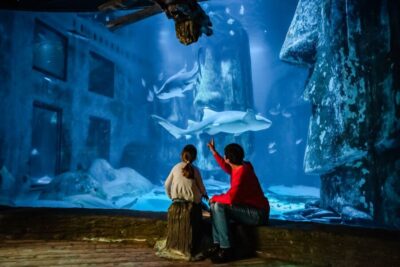

Mallorca: Palma Aquarium Entry Ticket w/ Optional 3D Cinema
Read our review →
St Paul’s Bay: Malta National Aquarium Entry Ticket
Read our review →
Browse the lists this tour appears in