
REVIEW · USA
Springfield: Wonders of Wildlife National Museum & Aquarium
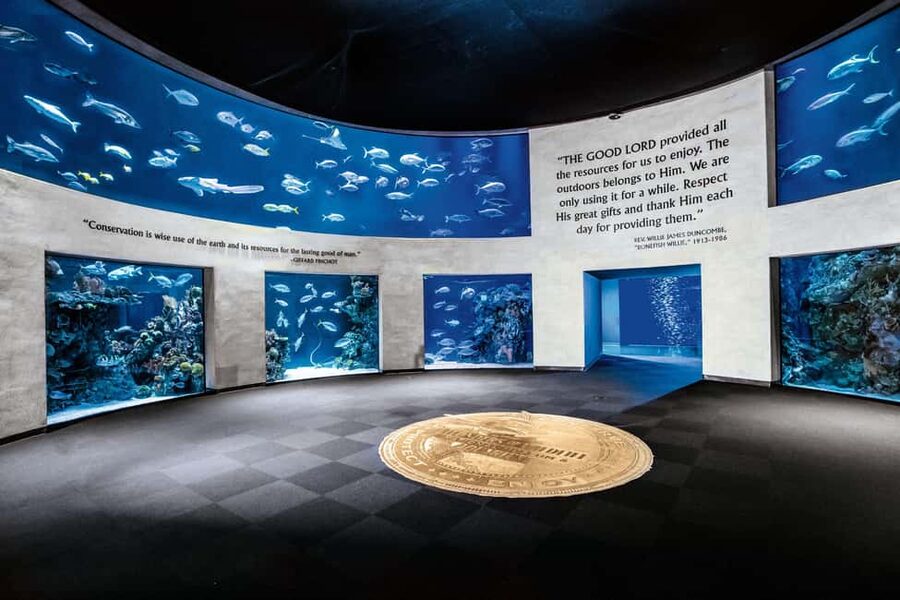
Springfield’s Wonders of Wildlife combines a natural history museum with a giant aquarium, so you move from North American wildlife scenes to coral reefs, shipwrecks, sharks, rays, and open-ocean displays in one visit. The scale is the main attraction: more than 35,000 live animals and 1.5 million gallons of water give you plenty to see.
I like the carefully built wildlife dioramas and the hands-on touch pools, which give children something to do beyond looking through glass. I also like the conservation message, which runs through the museum rather than appearing as a single small exhibit. The main drawback is practical: finding the entrance and exit can be confusing, especially on a rainy day, and the ticket may cost more through a third-party booking site than directly from the museum.
Key points to know before you go
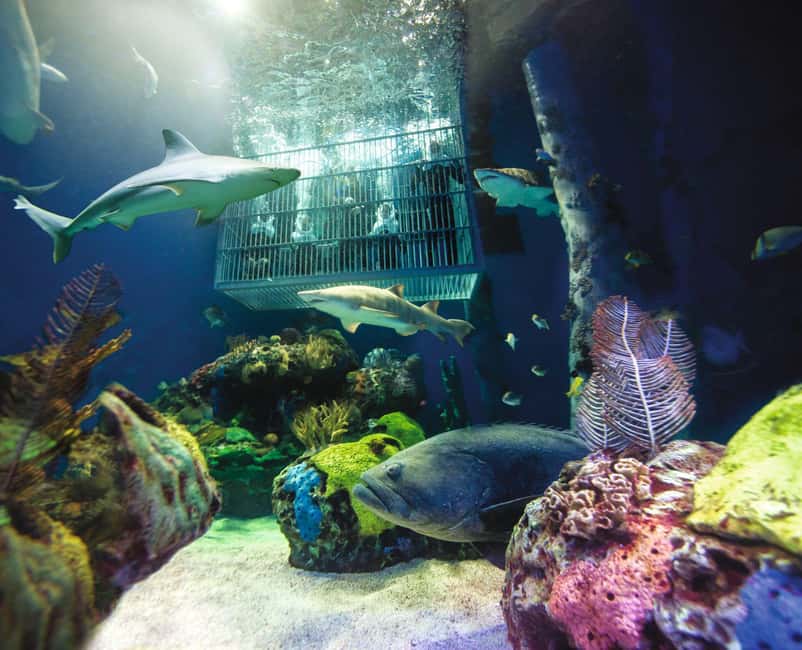
- 1.5 million gallons of aquarium exhibits: See sharks, goliath groupers, rays, coral reefs, shipwrecks, and other marine life.
- More than 35,000 live animals: The collection covers land and sea habitats, making this a full-day outing rather than a quick aquarium stop.
- Hands-on areas for children: Touch pools and educational presentations add activity for young visitors who tire of standard displays.
- A museum with a conservation purpose: Wildlife galleries explain why habitats and species protection matter.
- Nature’s Best Photography is included: Your admission covers this separate photography exhibit as well as the main museum and aquarium.
- Good for family groups: The $45 admission can represent solid value if you plan to spend most of the day inside.
From wildlife dioramas to the aquarium
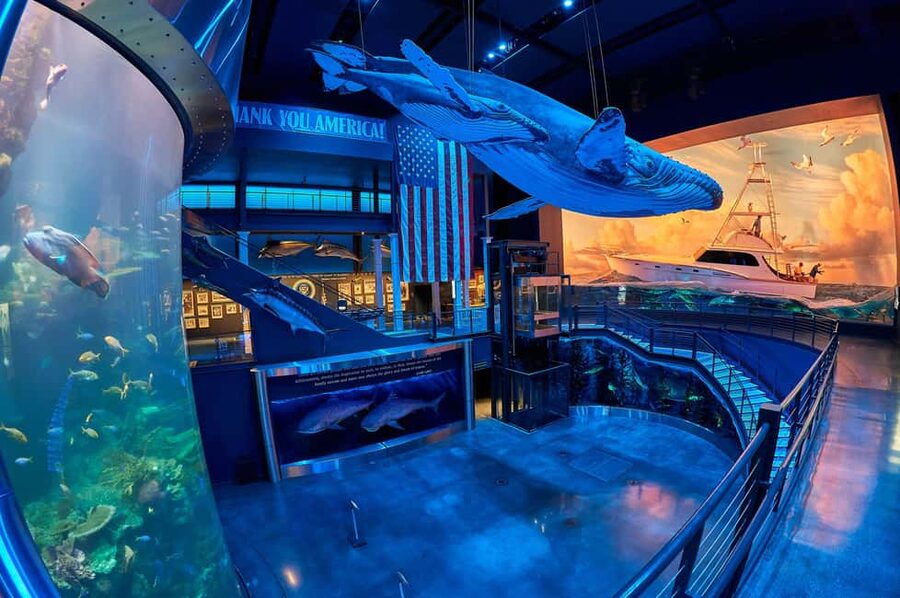
I would plan this as a full-day Springfield attraction, not a short stop between other errands. The experience moves through two different but connected moods: first, detailed wildlife displays that show animals in their natural settings, then a large aquarium built around living marine habitats.
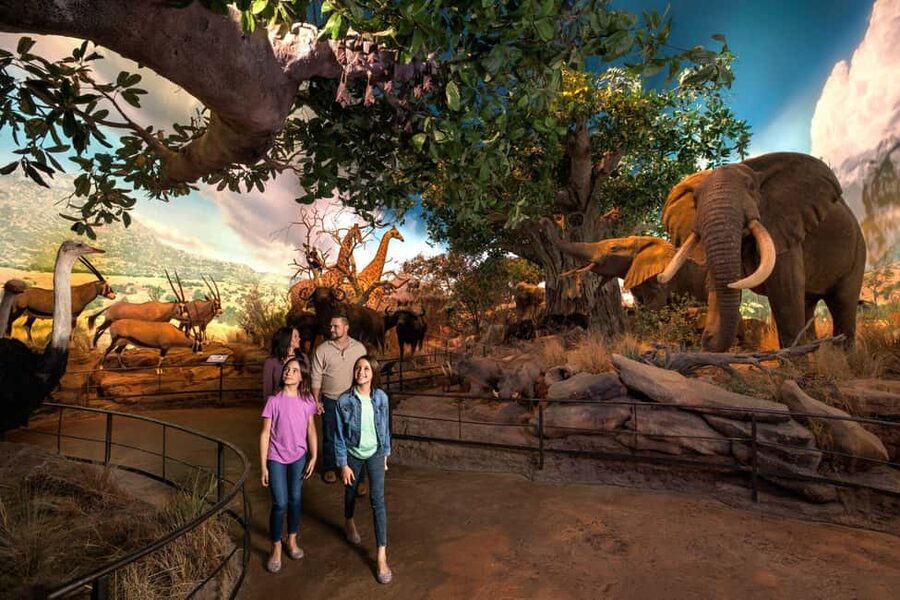
The opening Wildlife Galleries use crafted dioramas to place animals within recognizable habitats. You are not simply looking at a single mounted animal or an isolated display. The scenes are designed to show how wildlife fits into a larger setting, which helps explain the conservation message.
That matters because the museum is not only about collecting impressive animals. Its displays ask you to think about habitat protection, species survival, and the human role in conservation. For children, the lessons are visual and easy to follow. For adults, the displays give more purpose to what comes later in the aquarium.
The scale also helps the visit feel substantial. With land animals, marine species, educational displays, and photography exhibits all included, you can set your own pace instead of racing through a narrow route.
More Wildlife Trips in the USA:
- Gothenburg Universeum Ticket – Aquarium, Science, Wildlife, Zoo
★ 4.0 · 16 reviews - Angkor Wildlife & Aquarium Halfday tour
★ 5.0 · 5 reviews - Siem Reap: Angkor Wildlife & Aquarium Entrance Ticket
★ 5.0 · 4 reviews
The Boone and Crockett collection
One of the more unusual stops is the Boone and Crockett Club’s National Collection of Heads and Horns. It presents North American hunting and fishing heritage through a large collection of heads and horns.
This section may appeal most to people interested in wildlife history, conservation, and traditional outdoor sports. It also gives the museum a different character from a standard aquarium. You are seeing how North Americans have documented game animals and understood their place in the natural world.
It may not be the favorite part for every family, especially younger children who are waiting for the fish and touch pools. Still, it adds context and variety. If you move quickly through this section, you will miss one of the museum’s more distinctive features.
I would use it as a chance to talk with children about the difference between observing wildlife, hunting heritage, habitat protection, and responsible stewardship. The subject is more layered than a simple animals are cute display.
Entering the 1.5 million gallon Aquarium Adventure
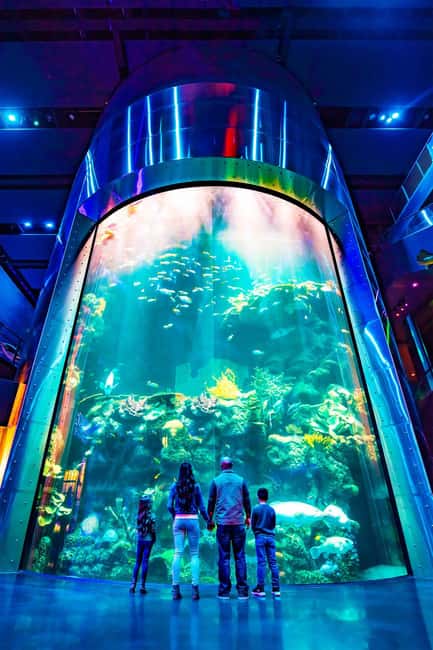
The Aquarium Adventure is the star attraction for many people. Its 1.5 million gallons of underwater exhibits create a sense of scale that smaller aquariums cannot match.
You can expect a broad range of marine settings, from coral reefs to open-ocean scenes. The displays include sharks, goliath groupers, rays, and many other marine species. These animals give the aquarium its drama, but the habitat design is just as important. Coral reefs show a crowded underwater community, while shipwreck displays add a sense of exploration and human history.
The shipwreck areas are especially effective for families because they give the aquarium a story. Instead of moving from one tank to another with no connection, you follow exhibits that suggest a journey through different parts of the sea.
The open-ocean displays provide the biggest sense of scale. Large animals moving through broad water spaces are more memorable than small fish in a series of standard tanks. Give yourself time here. Children often want to watch the same shark or ray for several minutes, and the large exhibits reward patience.
The marine collection is also where the conservation message becomes most direct. Healthy reefs, open water, and coastal habitats depend on careful protection. You can enjoy the animals while also seeing why pollution, habitat loss, and careless human activity create serious problems for the natural world.
Touch pools and presentations for active learning
The touch pools are a major advantage for families. A child who has grown tired of looking at animals behind glass gets a new kind of activity here. The experience includes areas where you can touch aquarium rays and jellyfish, according to the stated visit details.
That hands-on contact should be treated as a learning moment, not just a photo opportunity. It helps children understand that marine animals are living creatures with different textures, shapes, and movements. Educational presentations add more explanation and give you a break from walking through the larger exhibits.
The presentations are useful for mixed-age groups because one person can listen while another watches the animals. No personal tour guide is included, so you should expect to explore independently, using the exhibits and scheduled educational content rather than following a private expert.
English is the listed language, and an English host or greeter is available. The setup suits families and couples who prefer to set their own pace. If you want a highly structured tour with a guide explaining every stop, this is not that kind of experience.
More Museum Visits in the USA:
- Tokyo: Art Aquarium Museum GINZA Entry Ticket
★ 4.5 · 278 reviews - Antalya: Aquarium and Wax Museum Entry Ticket
★ 4.4 · 192 reviews - Genoa: Aquarium, Galata Museum and Submarine Entry Tickets
★ 4.6 · 190 reviews - Antalya: Aquarium, Wax Museum & Combo Package Options
★ 4.1 · 128 reviews
Nature’s Best Photography adds a quieter change of pace
Admission includes the Nature’s Best Photography Exhibit. This is a worthwhile addition because it changes the rhythm of the day.
After the noise and movement of the aquarium, photography displays give you a quieter way to look at wildlife. Strong wildlife photography can show behavior, habitats, and remote places that are difficult to experience in person. It also reinforces the museum’s central idea: protecting animals starts with paying close attention to them.
The photography exhibit should not be treated as a minor bonus if you enjoy nature images. It gives adults more to appreciate while children focus on the aquarium. If your group has mixed interests, this extra exhibit makes the $45 ticket more useful.
Sea of Lights during the holiday season
During Sea of Lights, festive music and projections change the feel of the aquarium. The displays take on a holiday character, with light effects appearing throughout the route.
This seasonal element will appeal to families looking for a special December outing, and it can make familiar exhibits feel different. The aquarium’s dark spaces and large tanks are naturally suited to projections and changing light.
The tradeoff is that holiday programming can shift attention away from the animals. If your main goal is quiet observation and close study of marine life, a regular visit may suit you better. If you want an evening atmosphere with music and festive visuals, Sea of Lights adds something extra.
How much time should you allow?
The admission is valid for one day, and I would use that flexibility. There is enough here to fill most of a day, especially if you stop at the touch pools, attend presentations, read the conservation displays, and spend time with the largest aquarium exhibits.
A rushed visit would reduce the experience to a checklist: wildlife galleries, aquarium, photography exhibit, exit. That misses the value of the museum. The larger tanks need time, and children often set the pace by stopping at animals that catch their attention.
A full day also helps if you are visiting with a large family group. One person can spend longer at the aquarium while another takes a slower look at photography or wildlife displays. The setup gives you room to split up briefly and regroup, although you should establish a meeting point if your party is large.
The connected Bass Pro Shops attraction is another possible addition to your Springfield day. It has a shop, restaurant, and café, and it gives you an easy nearby option for food or extra browsing. Keep in mind that the restaurant and café are separate purchases, as are souvenirs.
Is the $45 admission good value?
At $45 per person, this is not a bargain-priced museum visit, but it can be good value if you stay for several hours. Your ticket covers the Wildlife Galleries, Aquarium Adventure, and Nature’s Best Photography Exhibit.
The strongest value comes from the range of experiences. You get wildlife dioramas, a notable North American collection, large marine exhibits, touch pools, presentations, and photography. A smaller aquarium visit might be cheaper, but it would not offer the same combination of museum and aquarium content.
The value drops if you only have an hour or two. In that case, you may see the headline exhibits but not get the full benefit of the admission. I would compare the price with your available time before booking.
For a family, the total cost rises quickly, so plan your food and souvenir spending separately. Meals, beverages, personal guides, souvenirs, and exclusive animal encounters are not included. The nearby café or restaurant can make the day easier, but it adds to the budget.
Also check the direct museum price before purchasing. One recorded experience found the third-party ticket more expensive than buying directly, with no special attention attached to the third-party purchase. That does not make the booking platform useless, since flexible cancellation and pay-later options can matter, but price comparison is sensible.
Entrance signs and getting your bearings
The main practical weakness is navigation around the building. On a rainy day, finding the entrance can be frustrating, and the exit and bathrooms may not be obvious at first.
I would allow a few extra minutes when you arrive rather than assuming the entrance will be self-explanatory. Once inside, pay attention to where you are and note the location of restrooms early in the visit. This is especially helpful with young children or a large family group.
The building is designed as an adventure, but mystery is not always helpful when you are wet, tired, or managing a stroller and children. Basic orientation will save you irritation later.
Because the visit is self-guided, you should also keep track of your group. An English greeter is available, but this is not a private guided tour with someone continuously leading you from one stop to the next.
Who will enjoy this most?
Families are the clearest match. A five-year-old can respond to the large animals, colorful tanks, touch pools, and changing projections, while older children can take more from the conservation displays and presentations.
Large family groups can also make good use of the site because there is enough variety for different interests. Some people can focus on sharks and rays, while others prefer photography, dioramas, or the Boone and Crockett collection.
Couples and adults traveling without children can enjoy it too, especially if they like wildlife photography, aquariums, or conservation. Just do not expect a quiet gallery-only experience. The aquarium is the main draw, and family groups are part of the atmosphere.
This is less suitable if you want a short, tightly scheduled attraction or a private guide. It is also not the best choice if you dislike large indoor attractions or prefer spending your day outdoors.
Booking, cancellation, and same-day plans
Advance booking is wise because popular dates can sell out. You can reserve now and pay later, which helps if your Springfield plans are still moving around.
Free cancellation is available up to 24 hours in advance for a full refund. Check the exact availability and starting times when you choose your date, since the ticket is valid for one day rather than being an unlimited multi-day pass.
Same-day tickets are not available through GetYourGuide. If you decide at the last minute, use the local operator’s ticket site at wondersofwildlife.org/tickets-pricing instead.
Should you book Wonders of Wildlife?
I would book it if you want a full-day indoor attraction with serious aquarium scale, hands-on exhibits, and enough variety to keep a family group interested. The combination of 35,000 live animals, 1.5 million gallons of water, wildlife galleries, photography, and conservation displays gives the $45 admission a fair chance to earn its price.
I would be more cautious if you have limited time, need a personal guide, or dislike confusing entrances and exits. Compare the direct price with the third-party option, arrive prepared to orient yourself, and plan extra time for the touch pools and major aquarium displays.
For families, couples, and anyone who enjoys wildlife but wants a sheltered Springfield activity, this is a strong choice. Book ahead for busy dates, use the full day, and treat the conservation exhibits as part of the experience rather than rushing straight to the biggest fish tank.
FAQ
How much does admission cost?
The listed price is $45 per person. Meals, beverages, souvenirs, personal guides, and exclusive animal encounters cost extra.
What does the ticket include?
Admission includes the museum, Wildlife Galleries, Aquarium Adventure, and Nature’s Best Photography Exhibit.
How long is the ticket valid?
The ticket is valid for one day.
Are same-day tickets available through GetYourGuide?
No. Same-day tickets are not available through GetYourGuide. Same-day visitors should use the local operator’s ticket website.
Can I cancel for a full refund?
Yes. You can cancel up to 24 hours in advance for a full refund.
Can I reserve now and pay later?
Yes. The booking option allows you to reserve your place and pay later.
Is a personal guide included?
No. A personal tour guide is not included. An English host or greeter is available.
Are meals included?
No. Meals and beverages are available for separate purchase.
Just added around the USA
- From Orlando: Clearwater Beach and Marine Aquarium Admission★ 5.0 · 7 reviews
- Muir Woods with Napa & Sonoma Wine Tour + Alcatraz Tour & Aquarium Access★ 5.0 · 2 reviews
- Los Angeles: Heal The Bay Aquarium in Santa Monica★ 3.7 · 10 reviews
- LEGOLAND California: SEA LIFE & Water Park 2nd Day Free★ 3.4 · 9 reviews
- Georgia Aquarium: Sea Lion Encounter★ 4.7 · 7 reviews
- Columbus, OH: Columbus Zoo and Aquarium Entry Ticket★ 3.0 · 2 reviews
- Auburn Hills: Legoland and Sea Life Aquarium Combo Ticket★ 3.9 · 10 reviews
- Austin Aquarium Entry Ticket★ 4.4 · 2 reviews
Museums, compared.
Genoa: Aquarium, Galata Museum and Submarine Entry Tickets
Read our review →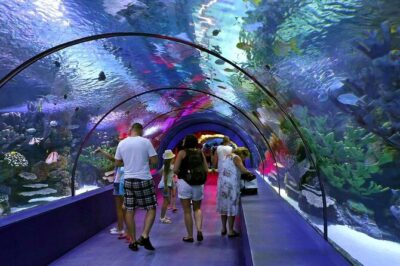
Antalya: Aquarium, Wax Museum & Combo Package Options
Read our review →Antalya: Aquarium, Wax Museum & Combo Package Options
Read our review →
Tokyo Art Aquarium Museum E-Ticket with optional Tokyo Metro Pass
Read our review →
Antalya Aquarium and Face to Face Wax Museum Private Transfer
Read our review →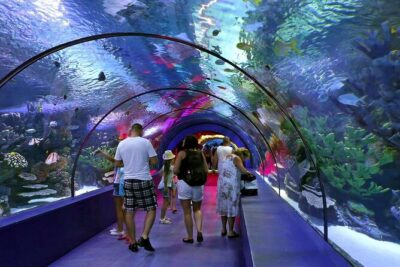
Browse the lists this tour appears in