
REVIEW · JAPAN
Enoshima Aquarium: Admission Ticket
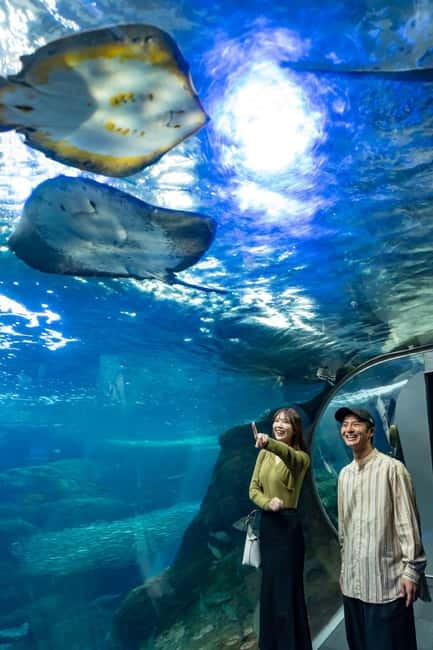
Enoshima Aquarium connects local waters with the wider Pacific Ocean, giving you a clear sense of how marine life fits together. You begin with Sagami Bay, then move through deep-sea creatures, jellyfish, and other marine animals in a visit that mixes displays with explanations and programs.
I like the aquarium’s strong local focus and its changing seasonal exhibits. I also like that the visit works for different ages, with both quiet viewing areas and interactive activities that make ocean science easier to grasp.
The main drawback is that your ticket does not guarantee a full day inside if the aquarium changes its hours for a private event or busy holiday period. Admission may also be restricted during crowded periods, so check the official schedule before you go.
Key points to know
- Sagami Bay comes first: The opening exhibits place the aquarium’s marine life in its nearby coastal setting.
- Jellyfish and deep-sea creatures add variety: The displays move beyond familiar fish and show less ordinary ocean life.
- Your ticket is valid for one day: You can plan the aquarium as a main Enoshima stop rather than a short timed attraction.
- Seasonal events change the visit: Temporary exhibits and programs may give repeat visitors something new to see.
- Access is simple: Katase Enoshima Station is about a three-minute walk away.
- Plan around special schedules: Hours can change during holidays, events, and private functions.
Sagami Bay gives the visit a local starting point
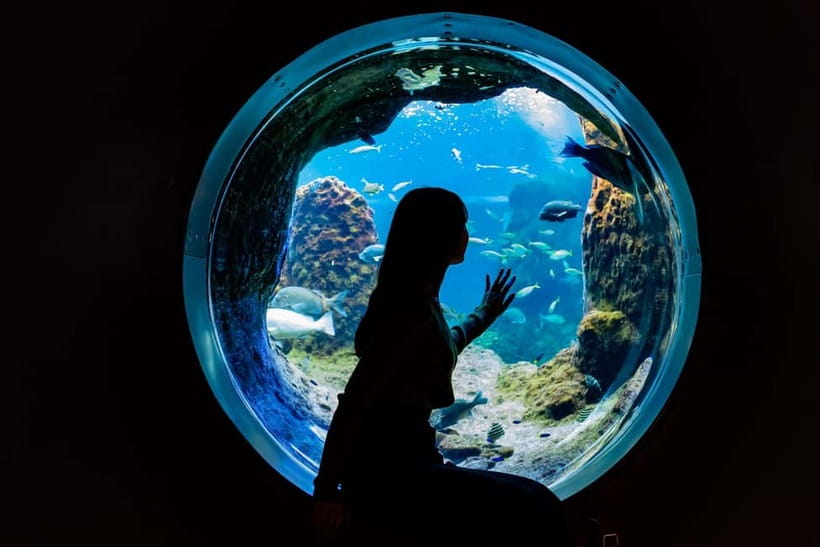
Enoshima Aquarium does not begin with a random collection of tanks. Its main idea is the connection between Sagami Bay and the Pacific Ocean, along with the many creatures that depend on those waters.
That local opening matters. Instead of treating the ocean as a distant place, the aquarium helps you look at the waters near Enoshima as part of a much larger system. You get a sense of how coastal life links with the open Pacific and why individual marine species matter within that network.
I like this approach because it gives the exhibits a clear thread. You are not simply moving from one colorful tank to the next. You are learning how a nearby bay relates to the wider sea, which makes the displays easier to remember.
The first section should be especially useful if you want context before seeing the more unusual animals. Give yourself time here rather than rushing toward the jellyfish. The local setting is one of the aquarium’s most meaningful features.
More Aquarium Entry Tickets in Japan:
- Tokyo: Art Aquarium Museum GINZA Entry Ticket
★ 4.5 · 278 reviews - Tokyo: Sumida Aquarium Entry Ticket
★ 4.6 · 70 reviews - Tokyo: Sunshine Aquarium Entry Ticket
★ 4.6 · 55 reviews
From coastal waters to the deep sea
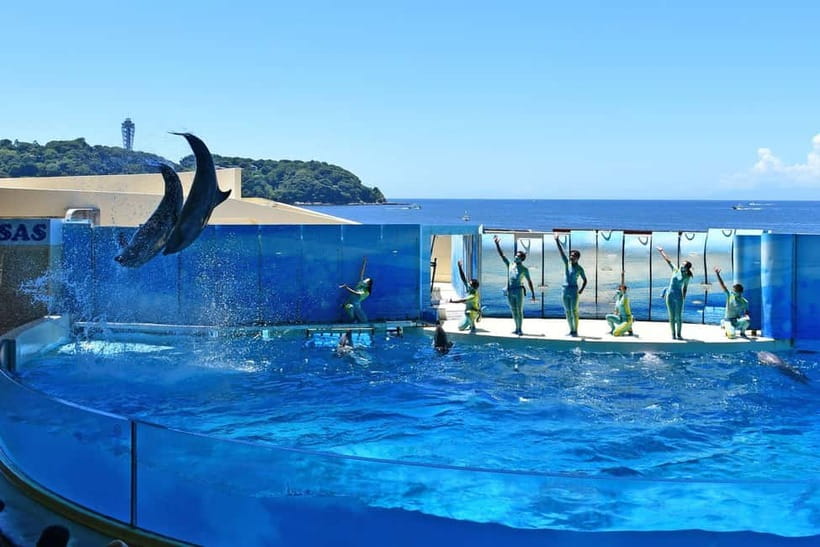
After the Sagami Bay exhibits, the route continues toward deep-sea life and other marine animals. This change in subject gives the visit a natural rhythm. You begin with familiar coastal waters, then move toward creatures and environments that are harder to encounter in ordinary seaside settings.
The information is designed to be approachable, not just technical. Explanations and programs help you understand the animals and the waters around them. I would plan to pause at the displays that interest you most, since the ticket is valid for the day and you do not need to treat the aquarium like a quick walk-through.
The deep-sea section may appeal most to visitors who want something beyond standard fish tanks. The supplied information does not identify every species or promise a specific animal at every visit, so do not book this expecting a fixed animal checklist. Seasonal changes and temporary events can affect what is on display.
That flexibility is part of the appeal, but it also means you should check the current program if one particular exhibit is important to you.
Jellyfish provide a calmer change of pace
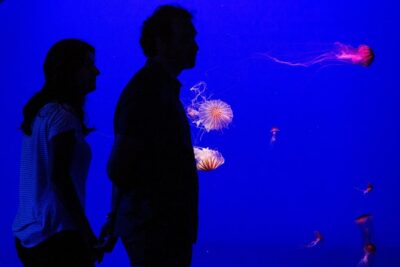
The jellyfish section is one of the aquarium’s named highlights, and it adds a different mood to the visit. Their movement is slow and graceful, giving you a quieter break after the information-heavy sections on bays, the Pacific, and deep-sea creatures.
The aquarium aims to offer both surprise and a calming experience. Jellyfish are a natural fit for that balance. You can observe them without needing to follow a complicated activity, while still learning about marine life and the conditions that support it.
I would make this a deliberate pause rather than something you pass through quickly. The aquarium is not only about collecting facts. It also gives you room to watch living creatures and enjoy the atmosphere.
Photography is allowed in some areas, but flash photography is prohibited in certain exhibit spaces. Selfie sticks and tripods may also be restricted when the aquarium is busy, so keep your equipment simple and be ready to put it away.
Shows and programs add more than static displays
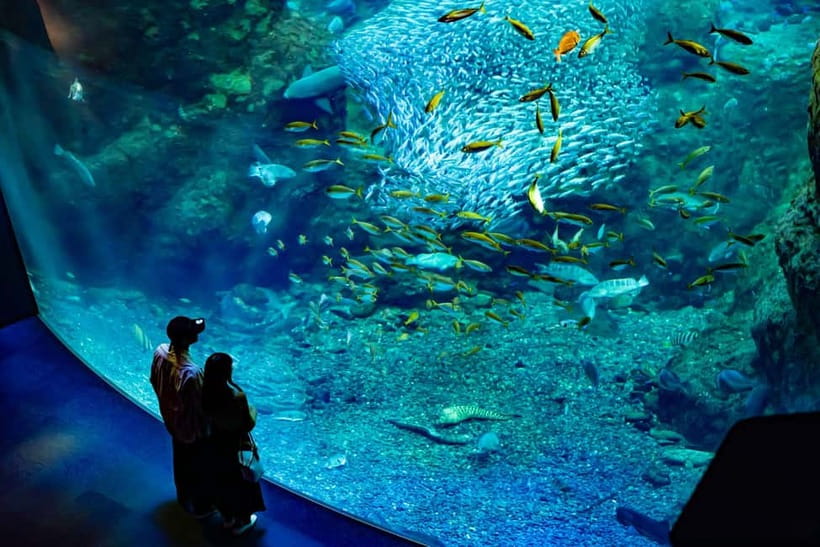
The visit includes explanations, shows, and programs that let you interact with marine creatures. The exact schedule is not provided, so you should check the aquarium’s current information before planning around a particular presentation.
These activities can make a difference if you are visiting with children or if you prefer learning through demonstrations rather than reading every panel. They also give the aquarium a more active feel, while the tanks provide time for quiet observation.
I like having both options in one ticket. You can move at your own pace, stop for a program, and then return to the exhibits without needing to book a separate experience. The tradeoff is that busy periods may make some viewing areas or presentations harder to enjoy at your preferred time.
Admission may be limited when the building is crowded. If your schedule is tight, avoid assuming that you can arrive at any moment and walk straight in. Checking the day’s conditions and allowing extra time is sensible.
More Entry Tickets in Japan:
- Kobe: Urban Aquarium AQUARIUM×ART átoa Entry Ticket
★ 4.9 · 20 reviews - Tokyo Art Aquarium Museum E-Ticket with optional Tokyo Metro Pass
★ 5.0 · 17 reviews - Kyoto Aquarium Admission Ticket
★ 4.7 · 12 reviews - Tokyo Sumida Aquarium E-Ticket with Optional Tokyo Metro Pass
★ 4.5 · 8 reviews
Seasonal exhibits keep the one-day ticket useful
The aquarium holds seasonal exhibits and temporary events in addition to its regular themes. These changes are useful if you are returning to Enoshima or visiting during a special period, though the details will vary by date.
For a first visit, the permanent themes should provide the main reason to go. Seasonal material is best treated as an extra rather than the sole basis for buying a ticket, since no specific temporary exhibit is guaranteed in the information provided.
Holiday periods can also bring changes to opening times. Spring holidays, summer holidays, year-end and New Year holidays, and special events may all affect the schedule. One verified visit on December 30, 2025, ended early because of a private event that had not been shared in advance. That is a serious practical warning: check the official aquarium website on the day or shortly before your visit, especially around holiday dates.
How long should you allow?
The admission is valid for one day, but that does not mean you must spend an entire day inside. The right length depends on how closely you read the explanations, how many programs you catch, and how much time you spend watching the animals.
You can treat the aquarium as a focused stop within an Enoshima outing. Its location near the stations makes that easy, and the all-day validity gives you flexibility if you want to organize the rest of your day around the island area.
I would avoid setting an overly tight schedule. A short visit might cover the main tanks, but you could miss the value of the explanations, shows, seasonal material, and slower jellyfish viewing. At the same time, the available information does not promise a fixed number of hours or a complete full-day itinerary, so do not assume the ticket alone fills an entire day.
Opening hours are 9:00 a.m. to 5:00 p.m. from March through November, and 10:00 a.m. to 5:00 p.m. from December through February. Hours can change, and admission may be restricted during periods of heavy attendance.
Getting there from three nearby stations
The easiest arrival is from Katase Enoshima Station on the Odakyu Enoshima Line, about a three-minute walk from the aquarium. This is the closest of the listed stations and the simplest choice if you are traveling by that line.
Enoshima Station on the Enoshima Dentetsu Line is about a 10-minute walk away. Shonan Enoshima Station on the Shonan Monorail Line is also about a 10-minute walk away.
The three options make the aquarium convenient to combine with other Enoshima-area plans. You do not need a separate transfer or a long trip from the station once you arrive in the area.
The listed coordinates are 35.3100048, 139.479428. If you use a map app, search for Enoshima Aquarium rather than relying only on the coordinates.
Is the $18 admission good value?
At $18 per person, this is a reasonable paid attraction if you have an interest in marine life and want more than a quick photo stop. The value comes from the range of subjects: Sagami Bay, the Pacific Ocean, deep-sea animals, jellyfish, explanations, programs, and changing events.
The ticket is stronger value if you allow enough time to explore at a relaxed pace. It is less compelling if you have only a few minutes before another fixed booking, since the aquarium’s themes work best when you stop and read rather than hurry through.
The one-day validity helps. You are paying for access across the day rather than a short, tightly timed session. Still, the non-refundable policy means you should be confident about your date before purchasing.
There is also a practical value issue during special events. If the aquarium closes early or changes its hours, you may not see everything. The December 30 experience that ended early because of a private event shows why checking the schedule matters more than the low price alone.
Practical rules for bags, cameras, and access
The aquarium is wheelchair accessible, which makes it a practical option for visitors who need step-free access. Disabled visitors and one accompanying person each can receive half-price admission by presenting the required certificate onsite.
High school students must bring their student ID. This is easy to overlook, so keep it available when you arrive.
Large or long luggage is not allowed inside. Paid coin lockers are available on the second floor, giving you a place to store items that would otherwise be refused. If you are carrying a large suitcase or long equipment, plan to use a locker rather than arriving at the entrance and hoping it will be accepted.
Flash photography is prohibited in some exhibit areas. Tripods and selfie sticks may be restricted when the aquarium is busy. You will have a better visit if you keep photography low-key and focus on the displays instead of bringing bulky gear.
Who will enjoy Enoshima Aquarium most?
I would recommend this aquarium to families, couples, solo visitors, and anyone with a genuine interest in coastal and Pacific marine life. Children can get more from the shows and interactive programs, while adults may appreciate the way the exhibits connect local waters with larger ocean systems.
It also suits visitors looking for a gentler indoor stop. The jellyfish displays and animal viewing provide a calmer change from walking around the Enoshima area, while the explanations keep the visit from feeling like simple entertainment.
You may want to reconsider if you need a guaranteed schedule, a specific animal, or a late closing time. The aquarium’s hours can shift, temporary displays change, and special events may affect access. It is also not the best choice for a visitor who dislikes reading, watching programs, or spending time observing animals at a measured pace.
Should you book the Enoshima Aquarium ticket?
Book it if you want a well-located aquarium with a clear focus on Sagami Bay, the Pacific Ocean, jellyfish, deep-sea creatures, and the links between marine environments. The $18 price is fair when you give yourself time for the explanations, programs, and changing exhibits.
Before paying, check the current opening hours and special-event schedule. That extra step is important because early closures and holiday changes can affect the value of a non-refundable ticket. If the date works and you have at least a comfortable block of time, Enoshima Aquarium is a useful, accessible addition to a day in the area.
FAQ
Where is Enoshima Aquarium located?
It is in Honshu, Japan, near Enoshima. The listed coordinates are 35.3100048, 139.479428.
How far is the aquarium from Katase Enoshima Station?
The aquarium is about a three-minute walk from Katase Enoshima Station on the Odakyu Enoshima Line.
How far is it from Enoshima Station?
Enoshima Station on the Enoshima Dentetsu Line is about a 10-minute walk away.
How far is it from Shonan Enoshima Station?
Shonan Enoshima Station on the Shonan Monorail Line is about a 10-minute walk from the aquarium.
What are the normal opening hours?
From March through November, opening hours are 9:00 a.m. to 5:00 p.m. From December through February, opening hours are 10:00 a.m. to 5:00 p.m.
Is Enoshima Aquarium open every day?
The aquarium is listed as open daily, but hours can change during spring holidays, summer holidays, year-end and New Year holidays, and special events.
What does the admission ticket include?
The ticket includes admission to Enoshima Aquarium and is valid for one day.
Is the aquarium wheelchair accessible?
Yes. The aquarium is wheelchair accessible. Disabled visitors and one accompanying person each can receive half-price admission by presenting the required certificate onsite.
Can I bring large luggage or use a camera tripod?
Large or long luggage is not allowed inside, but paid coin lockers are available on the second floor. Flash photography is prohibited in some exhibit areas, and tripods or selfie sticks may be restricted during busy periods.
Just added around Japan
- Tokyo Sumida Aquarium E-Ticket with Optional Tokyo Metro Pass★ 4.5 · 8 reviews
- Explore Okinawa (Naha, Churaumi Aquarium) using Private Hiace Van★ 4.0 · 10 reviews
- Kujukushima: Aquarium Umikirara Admission Ticket★ 4.4 · 2 reviews
- Kyoto Aquarium Admission Ticket★ 4.7 · 12 reviews
- Kagoshima Aquarium Admission Ticket★ 3.0 · 4 reviews
- Tokyo Art Aquarium Museum E-Ticket with optional Tokyo Metro Pass★ 5.0 · 17 reviews
- Okinawa Full Tour: Castle, Manza, Kouri, Aquarium & American★ 5.0 · 17 reviews
- Kobe: Urban Aquarium AQUARIUM×ART átoa Entry Ticket★ 4.9 · 20 reviews
Aquarium Entry Tickets, compared.
Atlanta: Georgia Aquarium Skip-the-Box-Office Entry Ticket
Read our review →

Mallorca: Palma Aquarium Entry Ticket w/ Optional 3D Cinema
Read our review →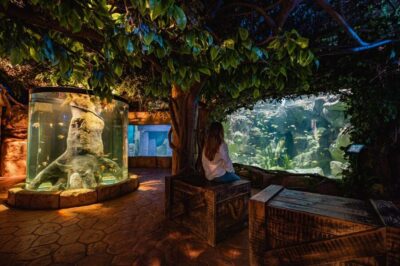
St Paul’s Bay: Malta National Aquarium Entry Ticket
Read our review →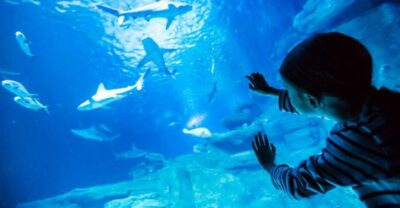
Browse the lists this tour appears in