
REVIEW · UK
Loch Lomond: Sea Life Entrance Ticket
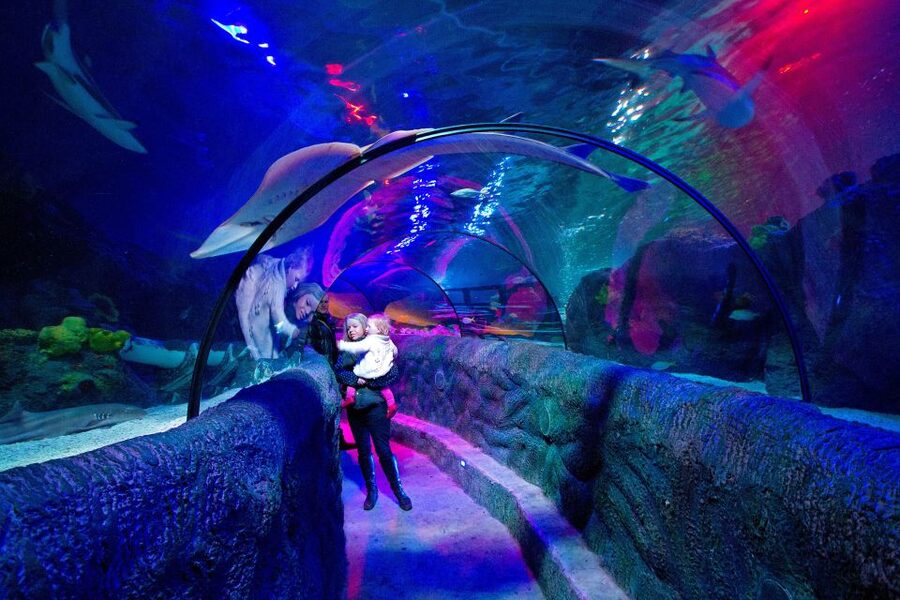
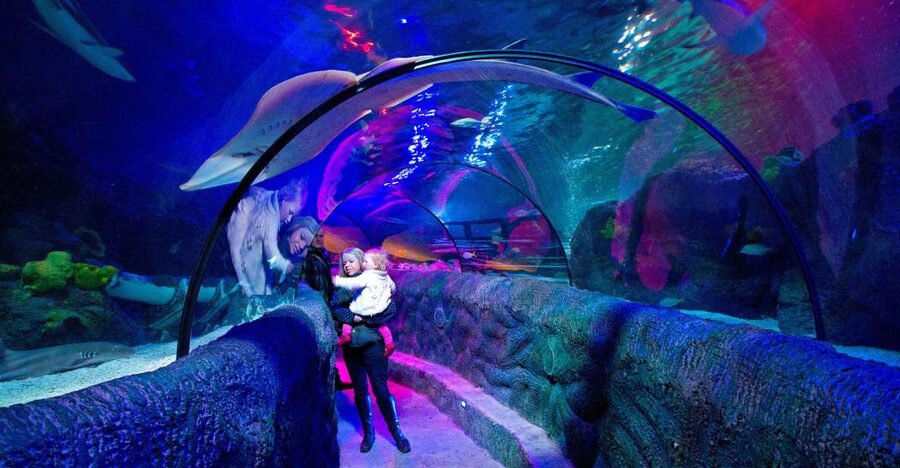
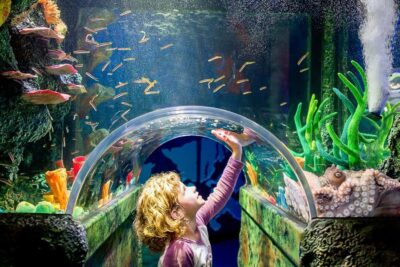
The biggest thrill here is the big ocean tank, where blacktip reef sharks glide past as you walk through a tropical ocean tunnel. You’ll also meet Scottish species, cow nose rays, large seahorses, and more than 1,500 creatures in a compact indoor attraction.
I like the interactive rock pool, which gives children a hands-on way to learn, and the otter family, Lily, Pickle, and Cub, whose feeding session is a real highlight. The main drawback is value: at $19 per person, some people may find the visit shorter than expected.
Key points at Sea Life Loch Lomond
- Blacktip reef sharks move through the tropical ocean tunnel, giving you close views without a large aquarium complex.
- Lily, Pickle, and Cub are the resident otters, and their feeding time is worth checking when you arrive.
- The Lair of Claws introduces sea-bed predators and some of the attraction’s more unusual creatures.
- The interactive rock pool lets you touch starfish and other animals under supervision.
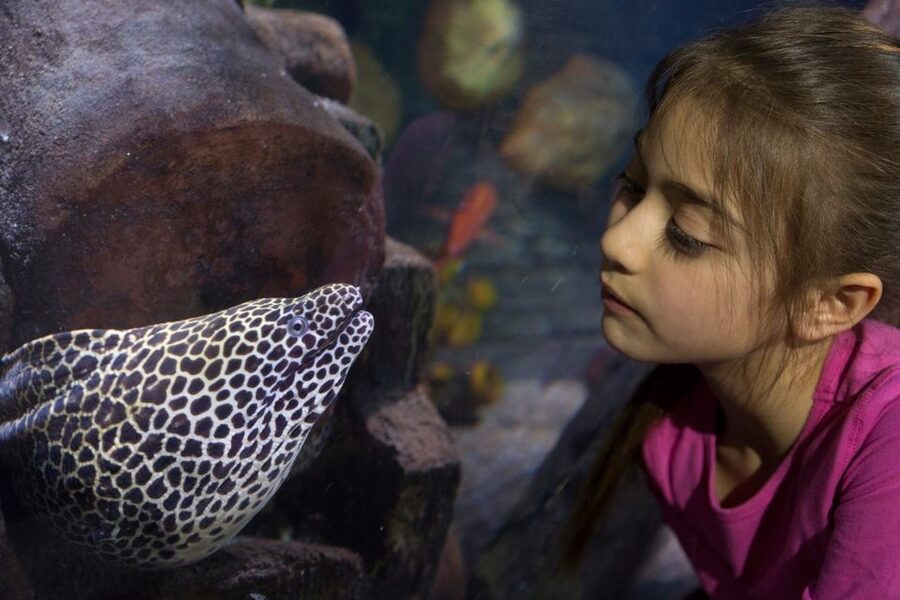
- Scottish waters get their own section, including dogfish, rays, and a rare albino dogfish.
- The $19 ticket includes talks and feeding sessions, but food and drinks cost extra.
What you see inside Sea Life Loch Lomond
Sea Life Loch Lomond is a one-day aquarium experience in West Dunbartonshire, built around a simple idea: take you from local Scottish waters to tropical reefs and open-ocean habitats. The route is easy to follow, and you receive a map and information leaflet at entry.
This is not an enormous aquarium that fills an entire day for every visitor. It is better understood as a compact family attraction with several strong displays. You can move through it at your own pace, pause for talks, and time your visit around feeding sessions.
The collection includes more than 1,500 creatures. That number covers a wide range, from tiny starfish and seahorses to rays and sharks. The mix gives you variety, although the size of each display and the length of your visit can vary depending on how long you stop at each tank.
More Sea Life Centres in the UK:
- London: SEA LIFE Entry Ticket
★ 4.4 · 3,428 reviews - London: Madame Tussauds, London Eye & SEA LIFE Combo Ticket
★ 4.7 · 3,009 reviews - SEA LIFE London Aquarium Admission Ticket
★ 3.5 · 1,195 reviews
Starting with Scottish lochs and native species
The Scottish section is a useful introduction because it connects the aquarium to its setting. Rather than beginning with only tropical fish, you first see creatures associated with the waters around Scotland.
Look for the rare albino dogfish. Dogfish are small sharks, and this unusual colouring makes the animal especially memorable. The display also helps explain that Scottish waters are not empty or dull. They support their own collection of sharks, rays, and other marine life.
The deep loch tank opened in March 2016 and focuses on native species found in UK waters. This is one of the more meaningful parts of the attraction for anyone who wants a local connection, not only brightly coloured tropical fish.
I would give this section time if you are interested in Scottish wildlife. Children may hurry toward the sharks and otters, but the native-water displays make the visit more distinctive than a standard tropical aquarium.
Touching starfish at the interactive rock pool
The interactive rock pool is one of the best stops for younger children. You can touch a starfish and other creatures living in the pool, giving you a physical sense of marine life that glass tanks cannot provide.
The experience is simple, but it works. Starfish look firm and unusual, and the chance to handle one helps children understand that these are living animals rather than decorations on the sea floor. Follow the instructions from staff and handle the creatures gently.
The attraction also presents starfish from oceans around the world. That gives the display more variety, with different shapes and colours to compare.
This area can become a natural stopping point for families. If you are visiting without children, you may spend less time here, but it remains a pleasant hands-on feature. It is also a good place to slow down after moving through the larger displays.
Meeting Lily, Pickle, and Cub
The otter family is one of the most popular parts of the aquarium. Lily, Pickle, and Cub provide a lively change of pace from the quieter fish tanks.
Otters are easy to watch because they move, play, and interact with one another. The feeding session is particularly worth arranging your visit around. Feeding times can change, so check the schedule on arrival rather than assuming a fixed time.
One recent booking specifically singled out the otter feeding as the best part of a short visit. That is useful advice. If your time is limited, make the otters a priority, then work through the shark and ray displays.
The otters also give the aquarium a strong family focus. Children who lose interest in slower-moving fish often reconnect with the visit here. For adults, the otter area breaks up the sequence of tanks and adds some welcome energy.
More Aquarium Entry Tickets in the UK:
- SEA LIFE Manchester Admission Ticket
★ 4.0 · 1,007 reviews - SEA LIFE Loch Lomond General Admission Ticket
★ 3.5 · 564 reviews - SEA LIFE Great Yarmouth General Admission
★ 4.0 · 517 reviews - SEA LIFE Brighton Admission Ticket
★ 4.0 · 468 reviews
The Lair of Claws and the sea floor
The Lair of Claws focuses on predators found on the sea bed. The name gives you a fair warning: this is the place for creatures with claws, unusual body shapes, and a less cuddly appearance.
The display is valuable because it broadens the usual idea of ocean wildlife. Sharks tend to get the attention, but animals living along the sea floor have their own hunting methods and defences.
You may find this section more interesting if you enjoy close views of strange creatures rather than only large animals. It also gives children an easy way to compare how different sea animals move and protect themselves.
The attraction describes some of these animals as among the most feared predators on the sea bed. That does not mean you should expect a frightening experience. The point is more about showing a side of marine life that is often overlooked.
Sharks in the tropical ocean tunnel
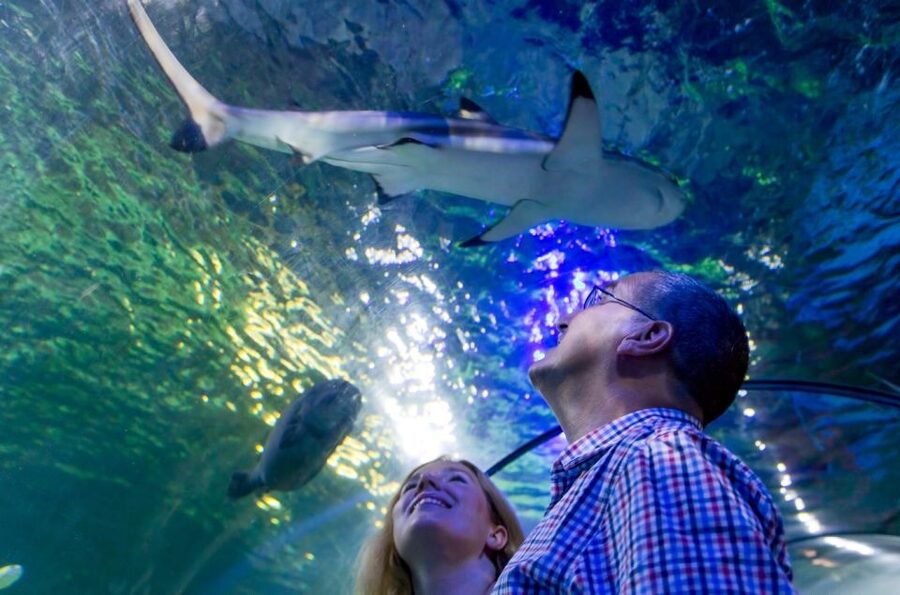
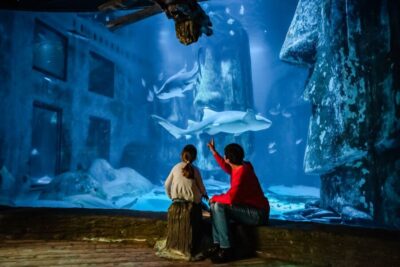
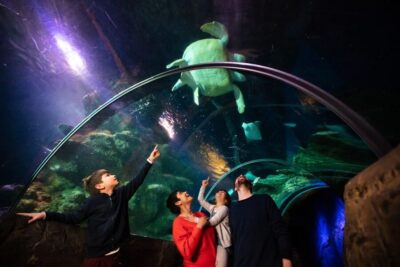
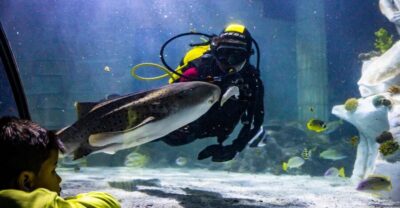
The tropical ocean tunnel is the main visual event. Blacktip reef sharks swim through the large ocean tank, giving you views from different angles as they pass above and beside you.
Blacktip reef sharks are associated with shallow, inshore tropical waters around the Indian and Pacific Oceans. Their dark-tipped fins make them easy to identify, and their movement gives the tank a steady sense of action.
You can also see different types of sharks elsewhere in the attraction. The displays are not limited to one famous species, so take time to compare their shapes and markings.
The tunnel is likely to be the busiest point in the aquarium. If you want a calmer look, visit early in the day or in the late afternoon, when the aquarium is generally quieter. This matters because the tunnel works best when you can pause rather than being hurried along by a crowd.
Flash photography is not allowed. That protects the animals and also prevents bright bursts from disturbing other people looking through the tanks. Keep your phone settings quiet and rely on the aquarium lighting.
Big-bellied seahorses and close-up details
The big-bellied seahorses are a quieter highlight. They can grow to around 30 centimetres, making them among the largest seahorse species in the world.
Their long, curly tail is used for grasping. That detail is easy to miss unless you slow down and look closely. Seahorses are not a fast-moving display, so this is a good place to take a pause after the larger shark tanks.
I like including animals such as these because they remind you that size is not the only measure of interest. The seahorses offer a more delicate subject than the sharks and rays, and they reward careful observation.
If you are visiting with children, point out the tail and ask them to watch how the seahorses hold themselves. Small details can turn a quick aquarium visit into a more thoughtful one.
Cow nose rays at the Bay of Rays
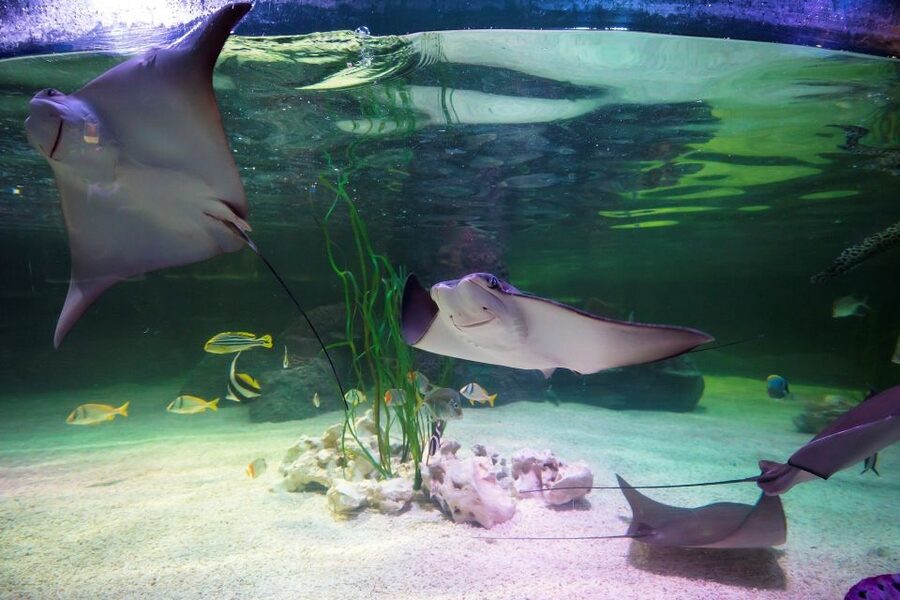
The Bay of Rays introduces you to the only cow nose rays in Scotland. That gives this section a clear sense of place and makes it more than another generic ray tank.
Rays are graceful, broad-bodied animals, and their movement is very different from that of sharks. They seem to fly through the water, using their wide fins to glide rather than relying on quick, sharp turns.
This is another display where patience pays off. Wait for the rays to move across the front of the tank, then look at the shape of their bodies and the way they travel through the water.
The Bay of Rays works well as a contrast to the tropical ocean tunnel. The shark tank supplies the big moment, while the rays offer a slower and more elegant encounter.
Daily talks and feeding times
Your ticket includes daily talks and creature feeding sessions. These add structure to a visit that could otherwise become a quick walk from one tank to the next.
Check the times when you arrive. The feeding schedule is not included in the information provided here, so you should not build your whole day around an assumed time. Instead, note the schedule first, then decide which areas to visit before and after the talks.
The otter feeding is the clearest priority. Other feedings may give you a better understanding of how the animals behave, but the exact creatures and times should be confirmed at the attraction.
The talks also help explain what you are seeing. You can read the information leaflet on your own, but a live talk gives the displays a little more context and helps children focus on specific details.
Is the $19 ticket good value?
At $19 per person, the ticket is reasonably priced if you use the included talks and feeding sessions and take your time with the displays. The attraction covers sharks, rays, otters, seahorses, starfish, Scottish species, and tropical reef animals, so there is plenty of variety for a compact aquarium.
The value becomes less convincing if you walk through quickly. One booking described the visit as very short and expensive for the time spent, while still enjoying the otter feeding. That is a fair warning: the attraction may suit a focused family outing better than a full-day destination.
You can improve the value by arriving early, checking the day’s schedule, and returning to the displays you liked most. Since the ticket is valid for one day, you have time to set your own pace during that day, subject to the attraction’s opening arrangements.
Food and drinks are not included. Budget separately if you plan to eat during the outing. The ticket covers entry, talks, feeding sessions, a map, and an information leaflet.
The best time to visit
The aquarium is generally quieter at the beginning of the day and in the late afternoon. Those periods should make it easier to see the sharks through the tunnel and spend time at the rock pool without feeling rushed.
Midday may suit families who need a more flexible schedule, but you may find more people around the main displays. If the shark tunnel is your priority, arrive early or save it for later in the day.
Because feeding times can affect the order of your visit, check them first. A quieter time is useful, but missing the otter feeding would be a poor trade if that is the experience you most want.
Who will enjoy this aquarium most?
Sea Life Loch Lomond is best for families, children interested in animals, and anyone who wants an indoor wildlife stop connected to a visit in West Dunbartonshire. The rock pool, otter family, and shark tunnel give younger visitors several clear highlights.
It also suits adults who enjoy marine life but do not need a huge aquarium to fill many hours. The Scottish section, albino dogfish, big-bellied seahorses, and cow nose rays give the visit enough variety for a pleasant stop.
You may want to think twice if you expect a full day of entertainment from one ticket. The experience can be short if you move quickly, and the price feels better when you attend a talk, catch a feeding, and examine the smaller displays.
The attraction is wheelchair accessible. Visitors with disabilities pay the standard price, while a carer enters free of charge. Check the attraction’s own facilities information if you need specific accessibility details.
Children under 16 must be accompanied by an adult, and unaccompanied minors are not allowed. Infants aged three and under enter free, but you still need to reserve a ticket for them.
Should you book Sea Life Loch Lomond?
Book it if you want a manageable aquarium visit with sharks, otters, rays, and Scottish species in one place. The otter family and blacktip reef shark tunnel are the strongest reasons to go, while the rock pool adds useful hands-on activity for children.
I would plan the visit carefully rather than treating it as an all-day attraction. Arrive early or late, check feeding times, and give yourself enough time for the quiet displays as well as the headline animals.
At $19, it is a fair choice for families who will use the talks and feeding sessions. If you are looking for a large aquarium that occupies an entire day, the short length may disappoint. Free cancellation up to 24 hours before the visit and the reserve-now-pay-later option make it easier to fit into a changing itinerary.
FAQ
Where is Sea Life Loch Lomond located?
Sea Life Loch Lomond is in West Dunbartonshire, United Kingdom.
How much does admission cost?
The listed price is $19 per person.
How long is the ticket valid?
The ticket is valid for one day.
What is included with admission?
Admission includes entry to Sea Life Loch Lomond, daily talks, creature feeding sessions, a map, and an information leaflet.
Are food and drinks included?
No. Food and drinks are not included in the admission ticket.
Can children visit Sea Life Loch Lomond alone?
No. Children under 16 must be accompanied by an adult, and unaccompanied minors are not allowed.
Do infants need a ticket?
Infants aged three and under enter free, but a ticket should still be reserved for them.
Is Sea Life Loch Lomond wheelchair accessible?
Yes, the attraction is wheelchair accessible. Visitors with disabilities pay the standard price, and their carer enters free of charge. Check the attraction website for specific facilities and accessibility information.
Is flash photography allowed?
No. Flash photography is not allowed inside the attraction.
Just added around the UK
- Isle of Skye, Sealife & Islands Tour 3 Days with Luke Skye-Walker★ 5.0 · 3 reviews
- Sea Life Weymouth Admission Ticket★ 4.4 · 5 reviews
- SEA LIFE Great Yarmouth★ 4.8 · 5 reviews
- Sea Life Hunstanton★ 4.5 · 5 reviews
- Sea Life Scarborough★ 3.7 · 14 reviews
- Birmingham: Cadbury World + SEA LIFE + LEGOLAND Discovery★ 5.0 · 5 reviews
- Combo Ticket: Madame Tussauds & SEA LIFE London Aquarium★ 3.5 · 16 reviews
- Birmingham: Cadbury World & SEA LIFE Birmingham★ 4.7 · 24 reviews
Sea Life Centres, compared.
London: Madame Tussauds, London Eye & SEA LIFE Combo Ticket
Read our review →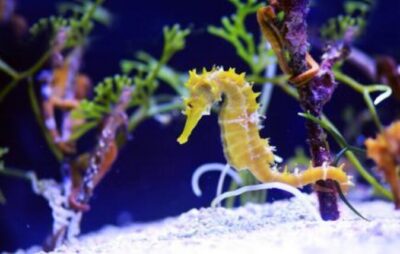

Big Fun Dolphin Cruise & Sealife Experiece ORANGE BEACH ALABAMA
Read our review →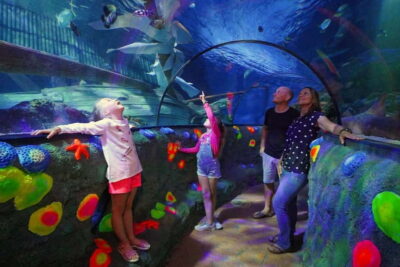
Browse the lists this tour appears in