
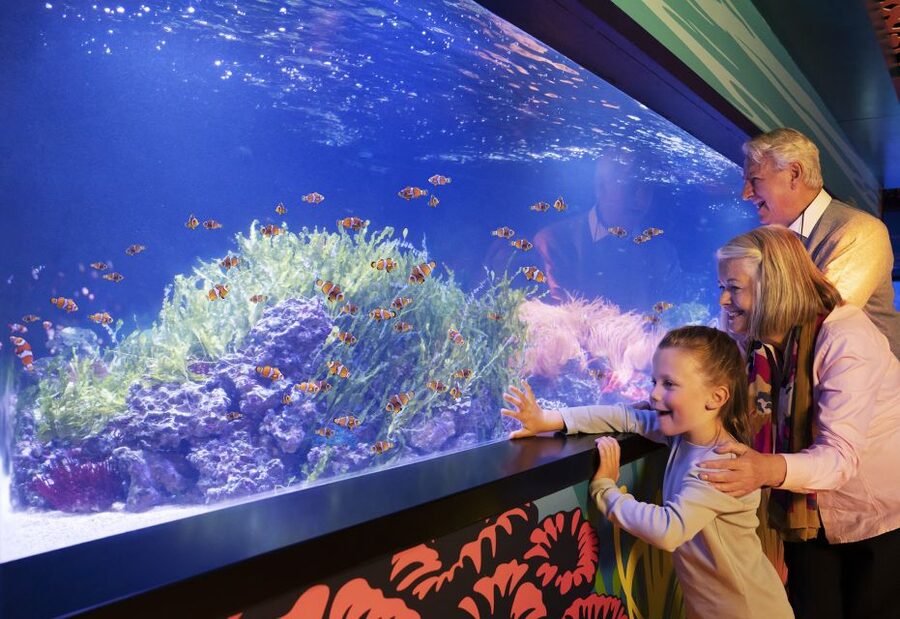
REVIEW · USA
SEA LIFE Charlotte-Concord Aquarium General Admission
The best part of SEA LIFE Charlotte-Concord is the 180-degree Ocean Tunnel, where sharks, rays, and glittering fish move above and around you. I like the clear journey from North Carolina’s freshwater rivers to tropical coral reefs, and I like the mix of large animals and small oddities, especially seahorses and jellies. The main drawback is that this is an indoor aquarium inside a shopping mall, so the experience is compact rather than a full-day attraction.
I also appreciate the easy location at Concord Mills Mall, with on-site parking and wheelchair access. At $27 per person, the admission is reasonable if you want a focused family activity, though you should arrive on time because late entry is not permitted.
Key points to know before you go
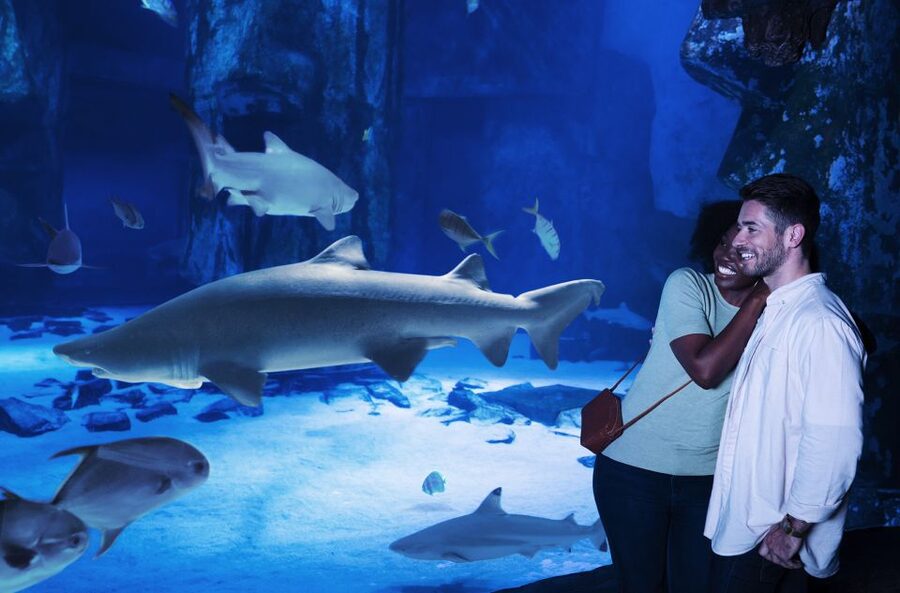
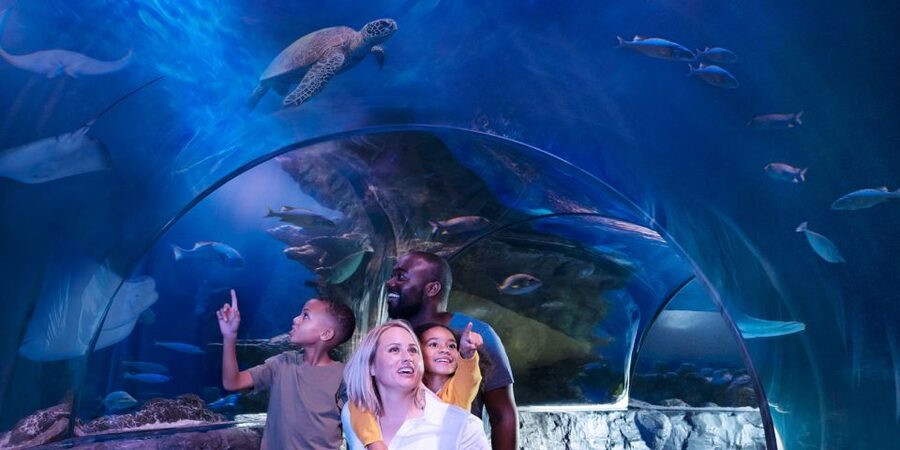
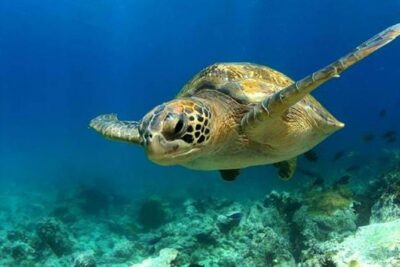
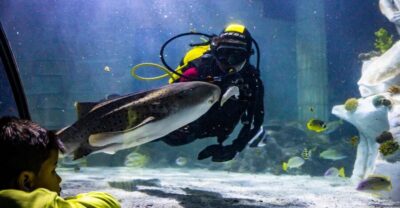
- The 180-degree Ocean Tunnel puts sharks, rays, schooling fish, and Neptune the rescued green sea turtle overhead.
- Ten themed zones take you from North Carolina freshwater habitats to tropical oceans, coral reefs, jellies, and conservation.
- The Seahorse Mangrove Exhibit offers close views of seahorses gripping seagrass with their curled tails.
- The aquarium is inside Concord Mills Mall, at Entrance 7, with parking available on-site.
- Admission costs $27 per person, while children aged 2 and under enter free with a paying adult.
- Plan around the entry time, since late arrival is not permitted and children 16 and under need an adult aged 18 or older.
Starting at Concord Mills Mall
SEA LIFE Charlotte-Concord sits inside Concord Mills Mall at 8111 Concord Mills Boulevard, Suite 8461, Concord, North Carolina. Look for Entrance 7. The mall setting makes this aquarium easy to combine with shopping or a meal nearby, but it also means you should not expect a separate waterfront campus or a huge outdoor complex.
I like this setup for families because parking is available on-site and the attraction is simple to reach. You can make it a short planned stop instead of building an entire day around transportation. The tradeoff is that the aquarium’s atmosphere begins only after you enter the mall and find the correct entrance, so give yourself enough time to locate Entrance 7.
Your admission is valid for one day, with the available starting time selected when you book. The attraction does not permit late entry, so treat the time on your booking as a real appointment. That detail matters more here than it might at a loose, walk-in museum.
The aquarium is wheelchair accessible. Directional markings guide you through the attraction and help keep the route orderly. Food, drinks, luggage, and large bags are not allowed inside, and children aged 16 and under must be accompanied by an adult aged 18 or older.
More Sea Life Centres in the USA:
- Big Fun Dolphin Cruise & Sealife Experiece ORANGE BEACH ALABAMA
★ 5.0 · 815 reviews - SEA LIFE Orlando Aquarium Admission Ticket at ICON Park
★ 4.0 · 504 reviews - Orlando: SEA LIFE Orlando Aquarium
★ 4.4 · 454 reviews
Ten zones that build an underwater story
The aquarium works best when you follow its movement from familiar local water to more distant ocean habitats. Rather than placing every animal in one giant room, SEA LIFE Charlotte-Concord divides the visit into ten zones. That structure gives children a simple story to follow and gives adults a chance to connect each habitat with a different part of the water world.
You begin with freshwater species associated with North Carolina. Later, the exhibits shift toward harbors, mangroves, tropical seas, and coral reefs. The change in habitats helps explain that aquatic life is not one single environment. A river fish, a seahorse, and a reef fish face very different conditions.
The aquarium includes around 5,000 undersea creatures. That number includes large, familiar animals such as sharks and rays, along with smaller creatures that reward a slower look. I would plan to pause at the smaller displays instead of rushing toward the tunnel. The big animals draw attention first, but the tiny animals often give the visit its character.
Freshwater Exhibit and the Catawba River connection
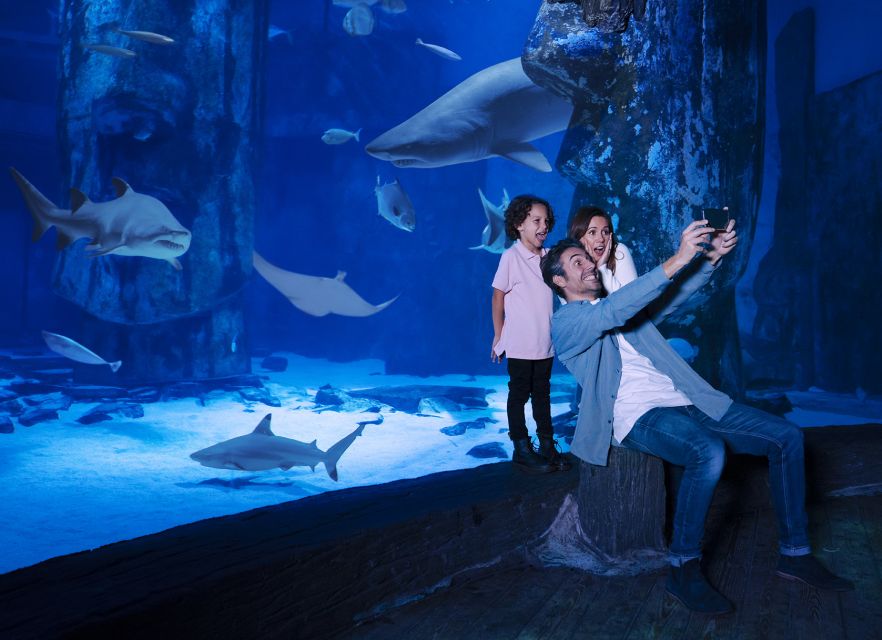
The Freshwater Exhibit offers a small view of the Catawba River and the streams, rivers, and lakes of North Carolina. This is a useful opening because it connects the aquarium to the place you are visiting rather than starting with animals from faraway tropical waters.
You can use this area to help children recognize that a river is a living habitat, not simply a route for water. The display introduces local species before the route moves to marine environments. That local connection gives the visit more meaning, especially for families from the Charlotte area or anyone interested in North Carolina’s natural surroundings.
The exhibit is not described as a full recreation of the Catawba River, so keep your expectations in check. It is a focused introduction, not a nature park or outdoor river experience. Still, it adds useful context and makes the aquarium feel tied to its region.
Harbor Exhibit and the appeal of smaller habitats
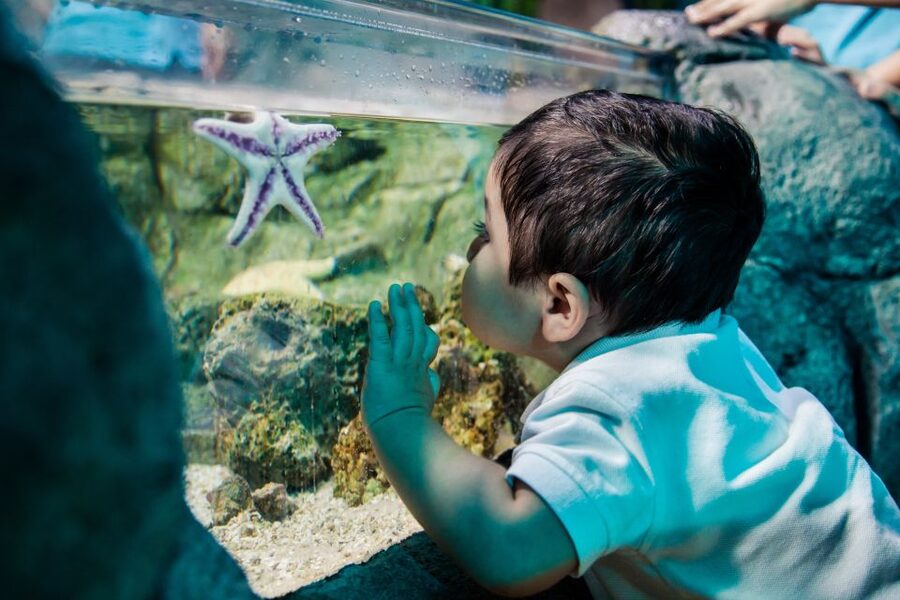
The Harbor Exhibit shifts the focus to tropical underwater creatures found in harbors around the world. Harbors are busy meeting points between land and sea, and this section gives you a look at the species that live in those protected waters.
I like the harbor theme because it sits between the local freshwater section and the open ocean exhibits. It gives the route a natural progression. You are not simply moving from tank to tank without a plan. The habitats suggest how water environments change as you move from inland rivers toward saltwater shores.
This is also a good place to slow down if the larger displays feel crowded. Smaller exhibits can be easier to view at your own pace, and they give you a chance to look for differences in body shape, movement, and color.
More Aquarium Entry Tickets in the USA:
- Atlanta: Georgia Aquarium Skip-the-Box-Office Entry Ticket
★ 4.7 · 3,476 reviews - SeaWorld Orlando: Park Admission Ticket
★ 4.4 · 1,706 reviews - Las Vegas: Shark Reef Aquarium Entry Ticket
★ 4.3 · 892 reviews - The Florida Aquarium in Tampa General Admission
★ 4.5 · 757 reviews
Shoaling Exhibit and Seahorse Mangrove Exhibit
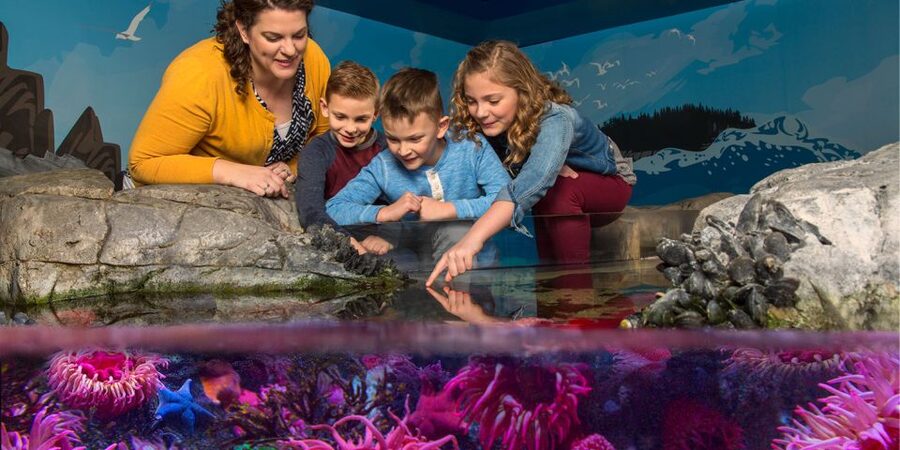
At the Shoaling Exhibit, hundreds of schooling fish move together. A large group of fish can be more interesting than a single specimen because you can watch the whole pattern shift as the school turns and reforms.
This exhibit works well for a short attention span. The constant movement gives children something to follow, while adults can take in the way schooling fish act as a group. If you are visiting during a busy period, this may be one of the areas where waiting for a clear view pays off.
The Seahorse Mangrove Exhibit is one of the most distinctive stops. You can watch seahorses grip seagrass with their curled tails and draw in tiny shrimp through straw-like snouts. The animals look almost imaginary, but the display focuses on real feeding and movement rather than treating them as simple decorations.
The information provided for the aquarium also notes pregnant seahorses, which makes this section especially worth seeking out. Seahorses are easy to miss if you hurry, so look closely and give your eyes time to adjust to their small size and slow movements.
Stingray Bay and the sunken ship
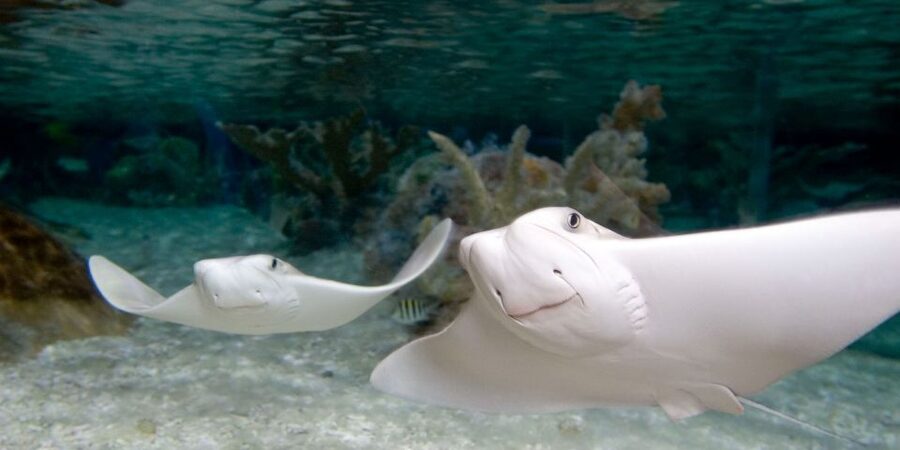
Stingray Bay brings you close to rays that appear to glide through the water. Their rounded bodies and broad fins create a calmer mood than the fast-moving schooling fish. Children often connect with rays quickly because their motion is easy to follow and their shapes are so different from ordinary fish.
The route then takes you into a sunken ship filled with creatures that prefer the deepest and darkest parts of the ocean. This section changes the mood again. Instead of bright reef colors, you get a setting built around mystery and low-light habitats.
I like the use of the ship as an organizing idea. It gives the darker exhibit a sense of place and helps explain why some animals live away from sunlight. The drawback is that dark sections can be harder for young children to navigate or view clearly, especially when several people stop in the same area.
The Ocean Tunnel, the aquarium’s main event
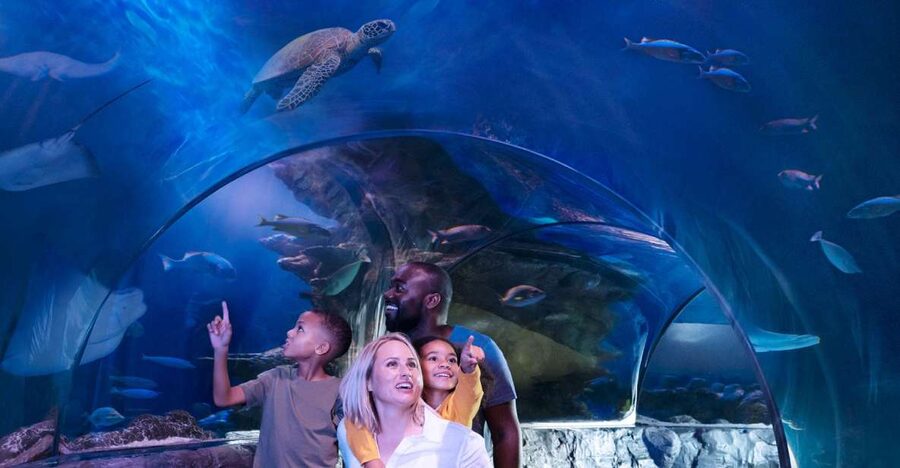
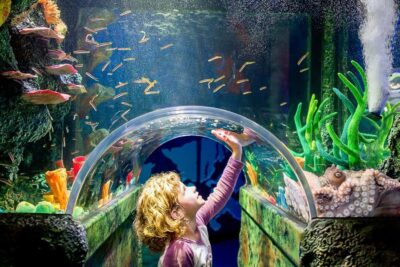
The Tropical Ocean Exhibit leads to the Ocean Tunnel, the experience’s strongest visual moment. The tunnel has a 180-degree view, allowing you to walk beneath the water while fish move along both sides and overhead.
You can expect shoals of glittering fish, sharks, rays, and Neptune, a rescued green sea turtle. Neptune’s slow movement gives the scene a steady focal point, while the sharks and rays add motion across the wider view. This is the place where the aquarium’s scale feels most convincing.
I recommend walking through once to take in the full effect, then stopping where the view opens up. Look upward as well as forward. The tunnel is designed to make the animals feel close, and watching them pass overhead is more rewarding than simply treating it as a corridor to the next room.
The tunnel will likely be the busiest part of the route because it is the aquarium’s signature feature. If you want a calmer look, take your time when the path clears rather than trying to force a long stop in the middle of foot traffic.
Jellies and the Coral Reef Exhibit
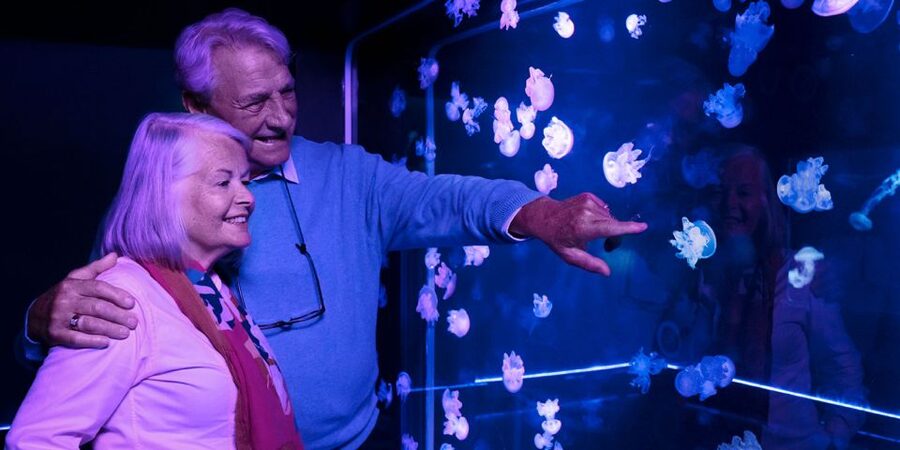
The Jellies Exhibit changes the pace again. These animals move through the water with a slow, floating rhythm, and the lighting makes their shapes easy to study. After the movement of sharks, rays, and schooling fish, the jellies offer a quieter display.
You do not need to know much about jellyfish to enjoy this area. Their movement is the main attraction, but the exhibit also gives you a chance to notice how an animal can appear delicate while still being well suited to its environment.
The Coral Reef Exhibit is the most colorful part of the route. You will see fish in many shapes, colors, and patterns moving among underwater reef structures. The display presents coral reefs as busy communities rather than empty scenery.
This is another section where patience improves the visit. Look beyond the largest fish and scan the reef for smaller animals. The variety gives you a reason to return to a tank after your first glance. If you are taking photos, the color makes this a natural stop, but remember that the aquarium does not permit food or drinks inside.
Conservation Cove adds a useful final note
Conservation Cove closes the visit with information about protecting the ocean and its animals. That final stop matters because it moves the aquarium beyond animal viewing. You have just seen local freshwater species, tropical fish, seahorses, rays, sharks, jellies, coral, and a rescued turtle. Conservation Cove asks you to consider what keeps those habitats healthy.
I like ending with this message because it gives families something to discuss after the visit. It also connects the displays to real choices about caring for the ocean. The section is educational rather than another major animal spectacle, so allow a little time for it instead of treating it as an exit corridor.
How much time and value $27 buys you
Admission is $27 per person, with children aged 2 and under free when accompanied by a paying adult. There is no hotel pickup or drop-off, but parking is available on-site, which keeps the cost and planning simple if you are driving.
For me, the value depends on how you use the visit. At $27, this is a fair choice for a focused family attraction with ten zones and about 5,000 creatures. You get a clear route, several distinct habitat themes, and a major tunnel experience without needing to commit to an entire day.
The price feels less attractive if you expect a large aquarium campus, outdoor areas, or an all-day attraction. The aquarium is inside a mall and the experience is compact. You are paying for a concentrated indoor visit, not a full zoo-style outing.
The best value comes when you take your time with the smaller exhibits. If you rush straight to the Ocean Tunnel and leave, you will miss much of what makes the admission worthwhile. The Freshwater Exhibit, pregnant seahorses, schooling fish, jellies, and Conservation Cove add the detail that turns a quick photo stop into a fuller visit.
Free cancellation is available up to 24 hours before the activity for a full refund, and you can reserve now and pay later. Those options help if your schedule around Concord Mills Mall is still changing.
Who will enjoy this aquarium most
I would recommend SEA LIFE Charlotte-Concord most strongly to families with young children, anyone who enjoys marine life, and visitors who want an indoor activity near Concord. The exhibits offer enough visual variety to keep a family moving, while the tunnel and rays provide memorable highlights.
It also suits visitors who prefer a self-guided route. No guide names or guided tour format are provided, so you should expect to explore the exhibits on your own rather than follow a named expert.
The aquarium may feel limited to someone seeking a large-scale marine park or a full day of activities. It is also less suitable for anyone arriving with large luggage, since large bags are not allowed. Plan to leave those items elsewhere before entry.
Face masks or protective coverings are listed among the items to bring. Check the current requirements when you book, since attraction policies can change.
Should you book SEA LIFE Charlotte-Concord?
Book it if you want a convenient, family-friendly aquarium with a strong Ocean Tunnel, a good range of habitats, and easy access from Concord Mills Mall. The local freshwater section, pregnant seahorses, rays, jellies, coral reef, and rescued green sea turtle give you more variety than the price might first suggest.
Skip it if you are looking for a full-day aquarium campus or an outdoor animal park. For most visitors, the smartest plan is to arrive on time, allow enough space for all ten zones, and treat the tunnel as one highlight rather than the entire reason to go.
FAQ
Where is SEA LIFE Charlotte-Concord Aquarium located?
It is at 8111 Concord Mills Boulevard, Suite 8461, Concord, North Carolina. The aquarium is inside Concord Mills Mall at Entrance 7.
How much does general admission cost?
General admission costs $27 per person. Children aged 2 and under enter free with a paying adult.
How long is the admission valid?
Admission is valid for one day. You should check availability for the starting times offered when you book.
Is parking available?
Yes. Parking is available on-site at Concord Mills Mall.
Is the aquarium wheelchair accessible?
Yes, SEA LIFE Charlotte-Concord is wheelchair accessible.
Can children visit without an adult?
No. Children aged 16 and under must be accompanied by an adult aged 18 or older.
Can I bring food, drinks, luggage, or large bags?
Food and drinks are not allowed, and luggage or large bags are also prohibited inside the attraction.
Can I cancel my booking?
Yes. You can cancel up to 24 hours in advance for a full refund. You can also reserve now and pay later.
Just added around the USA
- From Orlando: Clearwater Beach and Marine Aquarium Admission★ 5.0 · 7 reviews
- Muir Woods with Napa & Sonoma Wine Tour + Alcatraz Tour & Aquarium Access★ 5.0 · 2 reviews
- Los Angeles: Heal The Bay Aquarium in Santa Monica★ 3.7 · 10 reviews
- LEGOLAND California: SEA LIFE & Water Park 2nd Day Free★ 3.4 · 9 reviews
- Georgia Aquarium: Sea Lion Encounter★ 4.7 · 7 reviews
- Columbus, OH: Columbus Zoo and Aquarium Entry Ticket★ 3.0 · 2 reviews
- Auburn Hills: Legoland and Sea Life Aquarium Combo Ticket★ 3.9 · 10 reviews
- Austin Aquarium Entry Ticket★ 4.4 · 2 reviews
Sea Life Centres, compared.
London: Madame Tussauds, London Eye & SEA LIFE Combo Ticket
Read our review →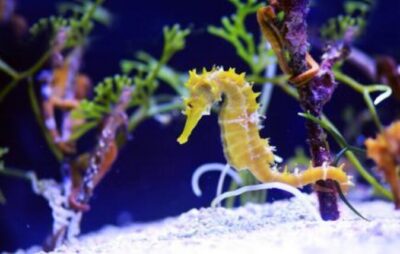

Big Fun Dolphin Cruise & Sealife Experiece ORANGE BEACH ALABAMA
Read our review →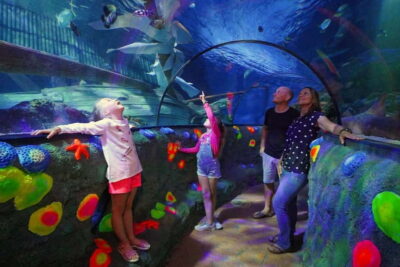
Browse the lists this tour appears in