
REVIEW · USA
Skip the Ticketing Line: Aquarium of the Pacific General Admission Ticket
The best part of this aquarium is its clear sense of place. Instead of presenting a random collection of sea creatures, it takes you across the Pacific Ocean, from cold northern waters to sunny California, Baja, and tropical Micronesia. You can watch sea lions, meet sharks, feed lorikeets, and see Magellanic penguins without leaving Long Beach.
I like the three-region layout, which gives the visit a natural flow, and I like that the mobile ticket lets you bypass the regular ticketing line. The free guidebook is worth picking up because it includes a map, exhibit details, and show times.
The main caution is crowd control. School groups and day camps can fill the building during summer weekdays, and the $44.95 admission feels steep if you only stay for an hour or skip the main animal areas. Plan for two to three hours to get solid value.
Key Things To Know Before You Go
- Nineteen Pacific habitats: Move from the frigid Northern Pacific to Southern California, Baja, and the Tropical Pacific.
- Shark Lagoon is a main draw: See sharks and other large marine animals in one of the aquarium’s most popular areas.
- Lorikeet Forest costs extra: Feeding these colorful birds is optional, but it adds a lively hands-on moment.
- Pacific Visions and the 4D movie are included: These provide a break from the galleries and add a more theatrical element.
- The aquarium is near Long Beach’s waterfront: Afterward, you can walk around the bay or find food nearby.
- Your ticket is flexible after booking: It is valid for one year from purchase, but you need a new free reservation to change the date or time.
A Pacific Ocean Tour Without Leaving Long Beach
The Aquarium of the Pacific sits at 100 Aquarium Way in Long Beach, about 25 miles south of central Los Angeles. Its location matters because this is not a quick Hollywood stop. You will need time to reach Long Beach, but the aquarium pairs well with a day around the waterfront.
The admission costs $44.95 per person. Children under three enter free. That is not bargain pricing, so I would not treat this as a brief stop between other Los Angeles sights. Give yourself around three hours, use the included movie and Pacific Visions access, and take time with the animal habitats.
The aquarium is open every day except December 25. Hours are 9 a.m. to 6 p.m. Monday through Thursday, and 9 a.m. to 8 p.m. Friday through Sunday. Those longer weekend hours can help if you want to visit later in the day, though the busiest periods may still include school or camp groups.
More Aquarium Entry Tickets in the USA:
- Atlanta: Georgia Aquarium Skip-the-Box-Office Entry Ticket
★ 4.7 · 3,476 reviews - SeaWorld Orlando: Park Admission Ticket
★ 4.4 · 1,706 reviews - Las Vegas: Shark Reef Aquarium Entry Ticket
★ 4.3 · 892 reviews
Entering With the Mobile Ticket
When you arrive, head to the marked entrance gate rather than joining the regular ticket line. A staff member scans your electronic ticket from your phone. Pick up the complimentary guidebook before you start, since it gives you a map and useful facts about the exhibits.
Your reserved time is the earliest time you may enter. Once that time begins, your ticket can be scanned later on the same day. The ticket remains valid for one year from the purchase date, and you can create a new free reservation online if your plans change.
That flexibility is helpful, but do not confuse it with a last-minute refund. You can cancel for a full refund up to 24 hours before the experience begins. Changes or cancellations inside that 24-hour window are not accepted, and no refund is provided.
Three Pacific Regions, 19 Wildlife Habitats
The aquarium’s strongest feature is its regional structure. You start with the waters and animals of the Pacific, then move through habitats that show how different the same ocean can feel from one coast to another.
The Northern Pacific section brings colder-water species into focus. The Southern California and Baja galleries connect the displays to the coast outside the building. The Tropical Pacific area shifts the mood with reef fish and warmer-water species.
This setup gives children an easy story to follow, but it works for adults too. You can compare the animals and habitats rather than simply moving from one tank to another. The guidebook helps you keep track of where you are, especially if you want to return to one section later.
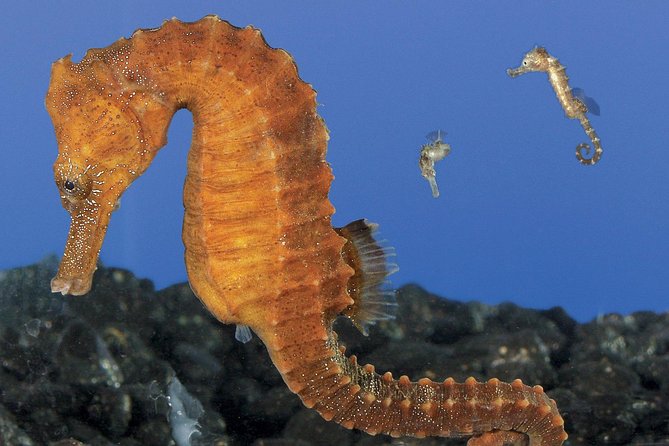
The collection includes seals, sea lions, sea otters, sharks, sea stars, an octopus, jellyfish, turtles, frogs, and many kinds of fish. The exact order of your visit is flexible, so you can slow down at the exhibits that interest you most.
Shark Lagoon and the Larger Animals

Shark Lagoon is one of the aquarium’s key stops. It gives you a close look at some of the Pacific’s major predators, and it is likely to be a favorite for anyone who prefers large animals to small reef species.
The shark area is also a good place to manage your time. If your group has young children, you may want to begin here before the aquarium becomes crowded. If you are visiting without children, it is still worth allowing a few minutes rather than treating it as a quick pass-through.
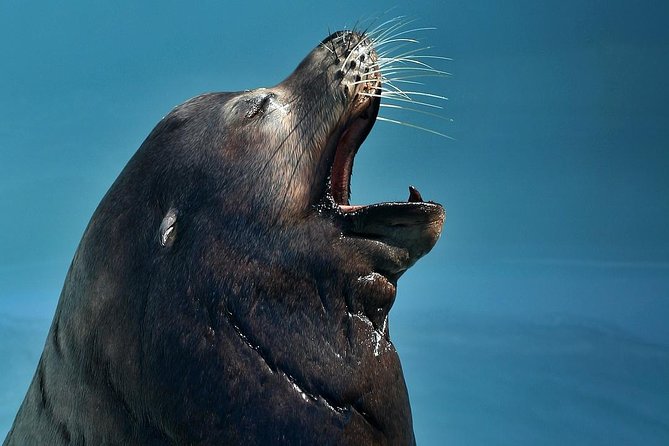
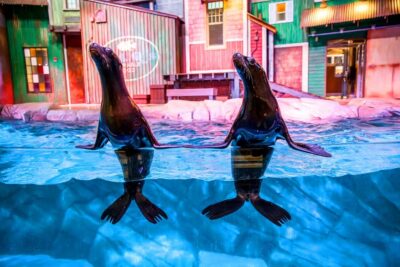
The seals and sea lions provide another reliable highlight. Their activity gives the aquarium a sense of movement that quieter fish tanks sometimes lack. Scheduled feeding times can be especially engaging, so check the show schedule when you arrive and take a photo of it. That small step can help you avoid missing a presentation.
More Entry Tickets in the USA:
- The Florida Aquarium Ticket
★ 4.6 · 979 reviews - San Diego: SeaWorld Skip-the-Line Park Admission Ticket
★ 4.1 · 592 reviews - SEA LIFE Orlando Aquarium Admission Ticket at ICON Park
★ 4.0 · 504 reviews - New England Aquarium Admission Ticket in Boston
★ 4.0 · 446 reviews
Penguins, Otters, Jellies, and Touch Pools
The Magellanic penguins are a strong family stop, with plenty to watch as they swim and move around their habitat. Sea otters are another popular sight, especially if you enjoy animals with expressive behavior rather than only colorful displays.
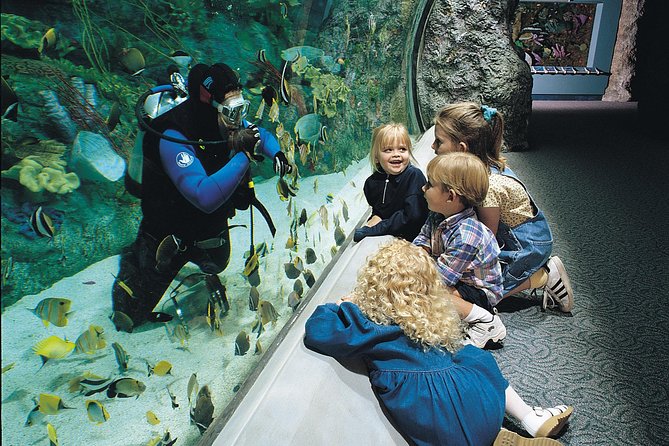
The touch areas add a hands-on element. You may be able to get close to marine life such as sea stars, though the touch tanks are monitored by staff. Some children may need time to feel comfortable, and staff members are present to help younger visitors take part at their own pace.
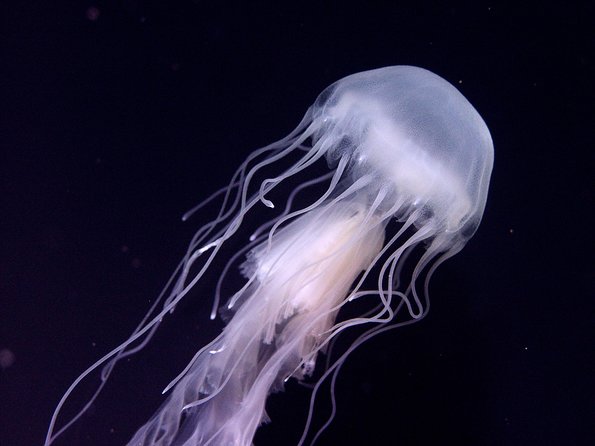
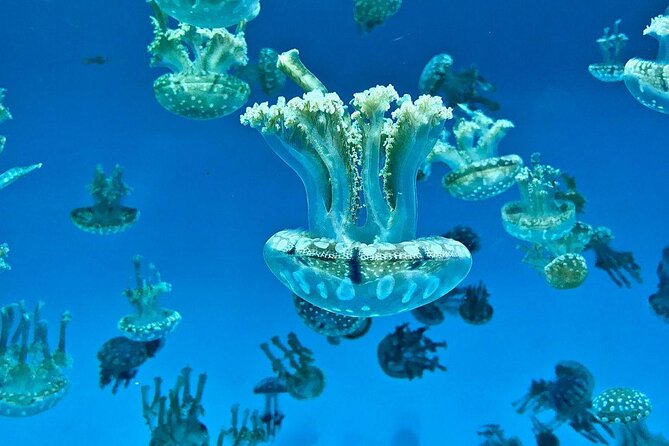
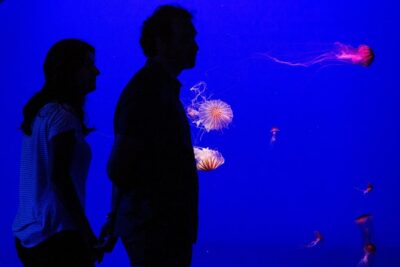
Jellyfish bring a quieter change of pace. You can also pay a small extra fee to feed brine shrimp to the moon jellies. This is optional, but it gives children a direct connection with the animals rather than just another viewing window.
The collection is broad, though the aquarium may feel smaller than you expect if you are comparing it with a giant national aquarium. You can see the main areas in a couple of hours. That is convenient for a half-day visit, but it may feel less satisfying if you expect a full-day attraction with endless galleries.
Lorikeet Forest and Optional Animal Feedings
Lorikeet Forest is one of the most hands-on parts of the visit. You can purchase nectar and feed the colorful birds. The encounter is simple, but it adds sound and movement to a visit that otherwise centers on viewing animals through glass.
Feeding the lorikeets is not included in general admission. The same applies to other optional animal activities, including feedings and animal encounters involving sharks and rays, seals and sea lions, penguins, or feathered friends.
Animal encounters require an advance reservation of 48 hours. If you want one, arrange it before arriving rather than assuming space will be available at the Information Desk. General admission still gives you access to the regular exhibits without buying an encounter.
These extras affect the value calculation. At $44.95, the basic ticket already covers the galleries, Pacific Visions, and the 4D movie. Add-on activities can make the day more memorable for children, but they can also push the total cost well above the advertised admission price.
Pacific Visions and the Included 4D Movie
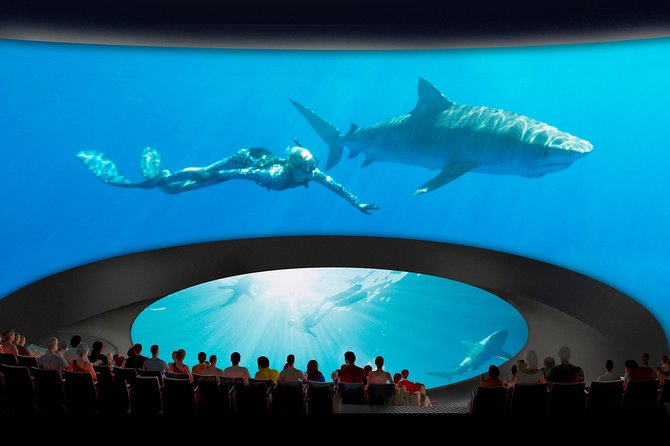
The ticket includes Pacific Visions and a 4D movie, which helps break up the animal exhibits. These additions are useful if your group needs a seated activity or if you want the visit to feel like more than a series of aquariums.
Show times can shape your route. Check the schedule soon after entering, then work backward so you can reach the theater without rushing from the far side of the building. The 4D experience includes a live bird show element according to the available program information, adding a theatrical touch to the visit.
Programs and exhibit availability can change. Some displays may be closed for construction or special events, so keep your expectations practical. The animal habitats remain the main reason to come, while the film and Pacific Visions give you extra structure.
How Long To Stay and When To Visit
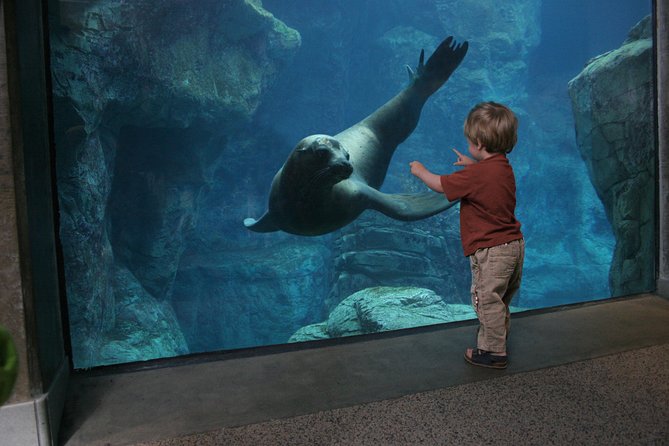
Three hours is a sensible target for a first visit. You can move faster and see the main exhibits in about two hours, especially without children. Families often need longer because interactive areas, touch pools, feedings, and show stops slow the pace.
Late morning on a Friday can work well, though school groups may still be present. Summer weekdays deserve extra caution because camps and preschool groups can make it hard to approach the viewing windows. If you have flexibility, avoid the periods when organized children’s groups are most likely to arrive.
A small crowd can change the experience dramatically. In a quiet gallery, you can read the signs and watch an animal for several minutes. In a packed room, you may only get a quick look before moving along. Your ticket covers the full day’s admission, so arriving early or using the later weekend hours may help.
Getting There, Parking, and Food
The aquarium parking structure is on the water side of Shoreline Drive between Chestnut Place and Aquarium Way. Parking costs $8 with aquarium validation. Arrive with patience during busy periods, since the parking approach can be slower than the ticket entrance.
Public transportation is a practical option. The aquarium is about half a mile from the Transit Mall in downtown Long Beach, roughly a 10-minute downhill walk from the Blue Line and major bus routes. The free Long Beach Transit Passport bus is another choice.
Inside, Café Scuba serves sandwiches, salads, burgers, pizza, and other food. It overlooks the seals and sea lions, and vegetarian choices are available. Food and drinks are not part of the admission price, so set aside extra money if you plan to eat inside.
The surrounding waterfront gives you more choices after your visit. A walk around the bay and nearby restaurants can turn the aquarium into a larger Long Beach outing rather than a stand-alone indoor activity.
Accessibility and Language Help
The aquarium and its exhibits are wheelchair accessible. Wheelchairs can be checked out at the Information Desk free of charge. Service animals are welcome, though they may not be permitted in every exhibit area because of the nature of some displays.
Visitor guides are available in English and Spanish. Map translations can be requested at the Information Desk in Cambodian, Chinese, French, German, Italian, Japanese, Korean, Russian, and Vietnamese.
Most people can take part in the general visit, and the building is close to public transportation. If you need a specific accommodation, ask at the Information Desk when you arrive.
Who Will Get the Most From This Visit
I would recommend the aquarium most strongly to families with children, couples who enjoy marine life, and anyone looking for an educational indoor stop near Long Beach. The touch areas, penguins, birds, 4D movie, and large animals create enough variety to keep different age groups interested.
It also works for adults without children, but the pace and exhibits are clearly family-friendly. You may finish in two hours if you move steadily. If that sounds short for $44.95, combine the visit with the waterfront, a meal, or a longer walk around Long Beach.
The aquarium is less suited to anyone expecting a huge, all-day complex or a behind-the-scenes tour included in the ticket. Harbor cruises, animal encounters, and other special activities cost extra. Some sections may also be closed for construction or special events during your visit.
Should You Book the Aquarium Ticket?
Book it if you want a well-organized introduction to Pacific marine life and you can give it at least two to three hours. The best value comes from seeing several regions, catching a program, visiting Pacific Visions, and taking your time with the sharks, sea lions, otters, penguins, and touch areas.
Think twice if you are visiting during a crowded summer camp period, have only one free hour, or expect every possible activity to be included. Check the schedule, arrive early when possible, and remember that parking, food, and animal feedings add to the final cost.
For families, the aquarium’s range of activities makes the price easier to justify. For adults, the decision depends on your interest in marine life and how well you use the Long Beach setting. The mobile entry is convenient, the flexible ticket date is useful, and the Pacific-focused layout gives the visit a clear purpose.
FAQ
What is included with the Aquarium of the Pacific ticket?
General admission includes access to the aquarium’s galleries and exhibits, the 4D movie, and Pacific Visions. The ticket covers the 19 wildlife habitats focused on the Pacific Ocean.
How much does admission cost?
The listed price is $44.95 per person. Children under three years old enter free with an accompanying adult.
How long should I plan for the aquarium?
Plan on about three hours for a relaxed visit. You may see the main exhibits in roughly two hours if you are visiting without children and move at a steady pace.
Where is the Aquarium of the Pacific?
It is located at 100 Aquarium Way, Long Beach, California 90802, about 25 miles south of Los Angeles.
Is parking available?
Yes. The aquarium parking structure is near the water on Shoreline Drive between Chestnut Place and Aquarium Way. Parking is $8 for the day with aquarium validation.
Can I reach the aquarium by public transportation?
Yes. The aquarium is about half a mile from the Transit Mall in downtown Long Beach, a walk of about 10 minutes downhill. You can also use Long Beach Transit’s free Passport bus.
Do animal feedings cost extra?
Yes. Feeding nectar to lorikeets and feeding brine shrimp to moon jellies require an additional fee. Other animal encounters and special activities also cost extra.
Can I change my reservation date or time?
Yes. You can create a new free reservation through the aquarium’s reservation system. Your ticket is valid for one year from the purchase date, and it can be scanned on the new date or after the new reservation time begins.
Is the aquarium wheelchair accessible?
Yes. The aquarium and its exhibits are wheelchair accessible, and wheelchairs are available to check out free of charge at the Information Desk. Service animals are allowed, although they may not enter every exhibit area.
Just added around the USA
- From Orlando: Clearwater Beach and Marine Aquarium Admission★ 5.0 · 7 reviews
- Muir Woods with Napa & Sonoma Wine Tour + Alcatraz Tour & Aquarium Access★ 5.0 · 2 reviews
- Los Angeles: Heal The Bay Aquarium in Santa Monica★ 3.7 · 10 reviews
- LEGOLAND California: SEA LIFE & Water Park 2nd Day Free★ 3.4 · 9 reviews
- Georgia Aquarium: Sea Lion Encounter★ 4.7 · 7 reviews
- Columbus, OH: Columbus Zoo and Aquarium Entry Ticket★ 3.0 · 2 reviews
- Auburn Hills: Legoland and Sea Life Aquarium Combo Ticket★ 3.9 · 10 reviews
- Austin Aquarium Entry Ticket★ 4.4 · 2 reviews
Aquarium Entry Tickets, compared.

Atlanta: Georgia Aquarium Skip-the-Box-Office Entry Ticket
Read our review →

Mallorca: Palma Aquarium Entry Ticket w/ Optional 3D Cinema
Read our review →
St Paul’s Bay: Malta National Aquarium Entry Ticket
Read our review →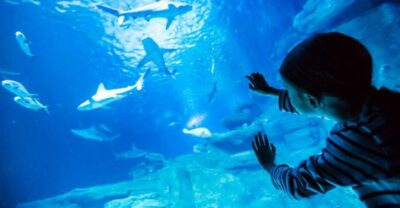
Browse the lists this tour appears in