
REVIEW · AUSTRALIA
Sunshine Coast: SEA LIFE Sunshine Coast Entry Ticket
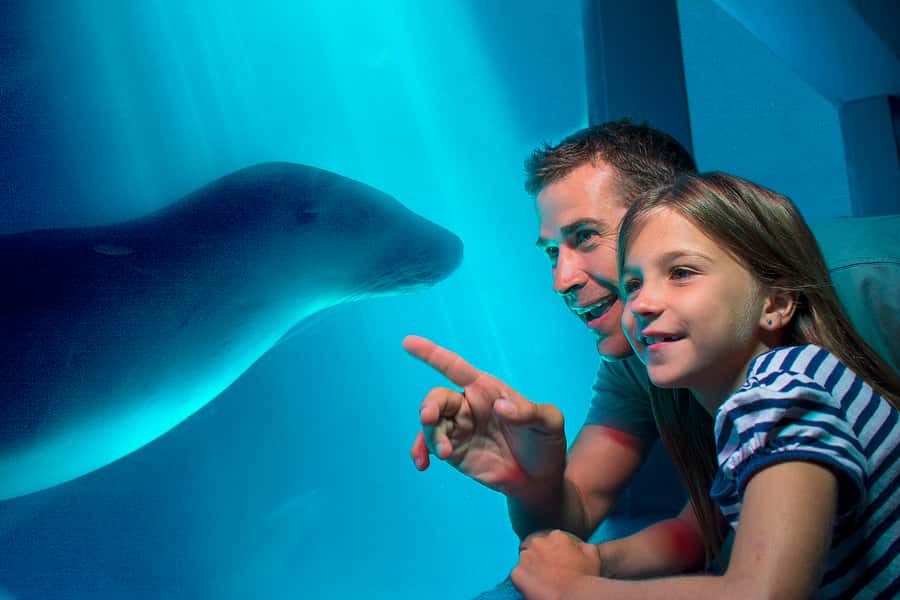
The real draw here is the chance to move from Queensland’s coastal reefs to freshwater billabongs and back again in one compact aquarium. The Ocean Tunnel gives you the best close-up view, while the seal show adds plenty of movement and personality.
I like the hands-on Tidal Touchpool, where you can feel sea stars and sea cucumbers, and I like the clear focus on conservation rather than simple animal displays. The main drawback is size: you can see the aquarium in about 90 minutes to two hours, and it may feel cramped when crowds and prams fill the walkways.
Key things to know before you go
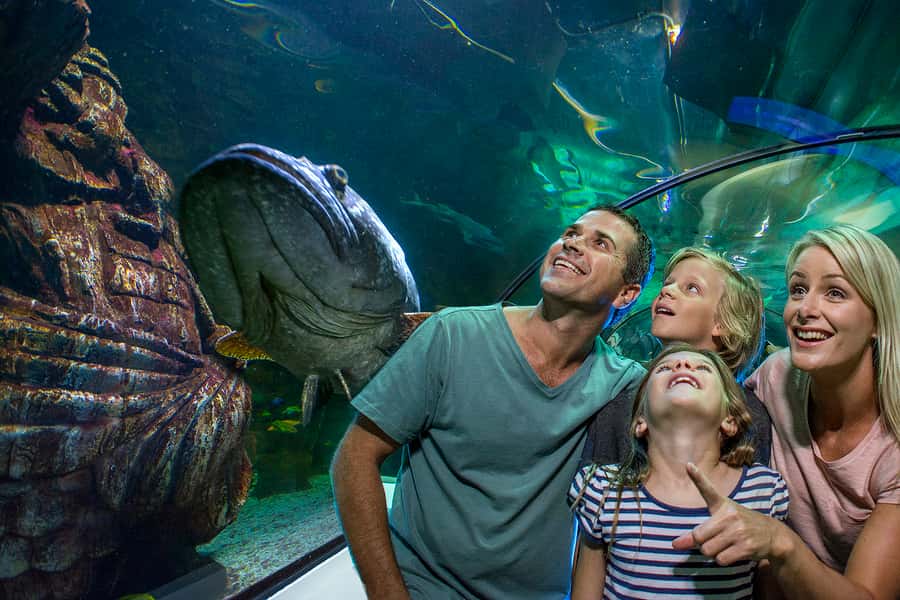
- The Ocean Tunnel is a highlight: Look up as sharks and other marine life pass overhead.
- The Tidal Touchpool is hands-on: You can gently touch sea stars and anemones.
- The Coastal Wreck Zone adds a newer section: It focuses on animals living around Australia’s coastal reefs.
- The aquarium covers more than saltwater life: Billabong displays include freshwater sawfish, barramundi, and pacu.
- The visit suits families and short itineraries: Allow 90 minutes to two hours rather than half a day.
- The attraction is in Mooloolaba: It is about one hour from Brisbane, and transport is not included.
What SEA LIFE Sunshine Coast is really like
SEA LIFE Sunshine Coast is a compact aquarium in Mooloolaba, on Queensland’s Sunshine Coast. Your general admission ticket gives you access to the aquarium’s main displays, animal areas, touch pools, and themed zones.
I see this as an easy addition to a Sunshine Coast day. You do not need to give it an entire morning or afternoon. The stated visit time is 90 minutes to two hours, which makes it useful when you want an indoor break, have young children with you, or need a shorter activity between other plans.
The focus is local and Australian. You will see creatures linked to Queensland’s surrounding waters, Australian reefs, and inland billabongs. That local angle makes the visit more useful than an aquarium that simply strings together large tanks of exotic animals.
The displays also explain the fragility of marine ecosystems and conservation work on the Sunshine Coast. I appreciate that balance. You are not only looking at seals, sharks, and jellyfish. You are also being shown why clean water, healthy reefs, and protected habitats matter.
More Sea Life Centres in Australia:
- SEA LIFE Sydney Aquarium Entry Ticket
★ 4.3 · 1,025 reviews - Melbourne: SEA LIFE Aquarium Entrance Ticket
★ 4.4 · 589 reviews - SEA LIFE Sydney Aquarium Entrance Ticket
★ 3.5 · 551 reviews
Start with the Ocean Tunnel
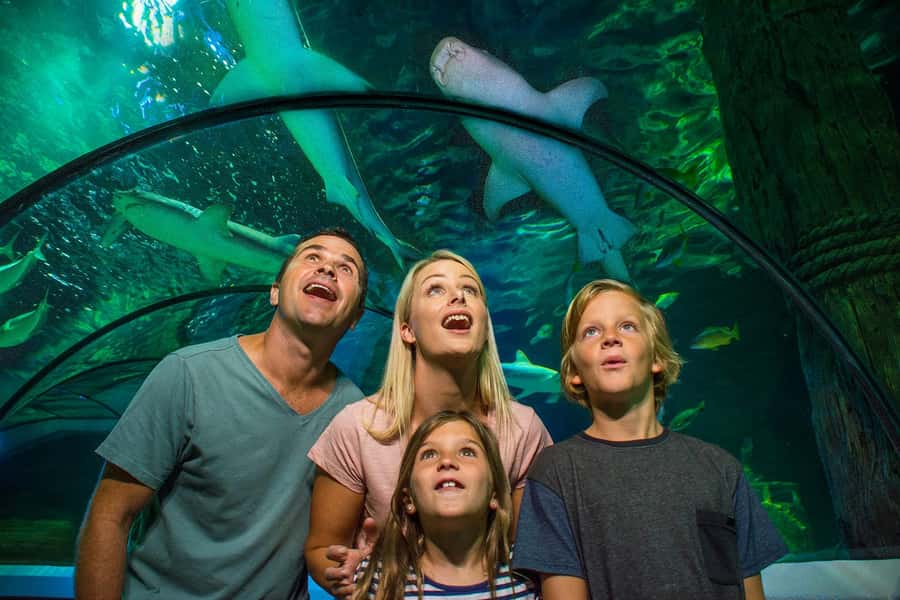
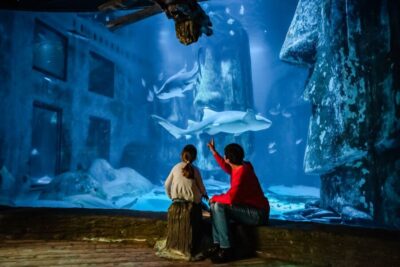
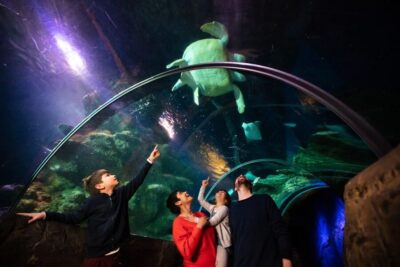
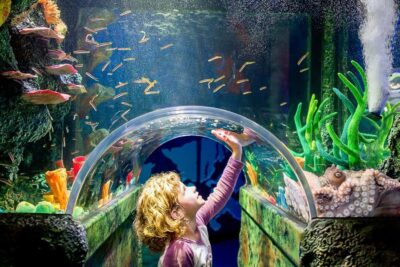
If you want one moment to plan around, make it the Ocean Tunnel. This is the place where the aquarium feels larger than its footprint. You can look through the water as marine animals move above and around you, creating a much better sense of their size and motion than a flat viewing window.
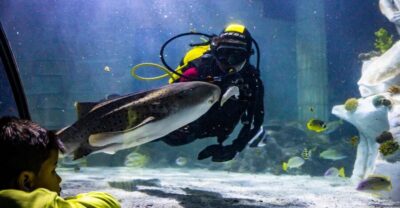
A tunnel also changes the way you watch animals. Instead of standing in front of a tank, you can look up, across, and behind you. Sharks become especially striking in this setting, although the tunnel is also valuable for seeing other marine life pass through the same space.
This area can become a natural stopping point, so give yourself time rather than rushing through. If the aquarium is crowded, you may need to wait for a clear view. One practical point is worth noting: the whole attraction is relatively small, and limited room can make popular sections feel tight.
Meet seals, otters, and sharks
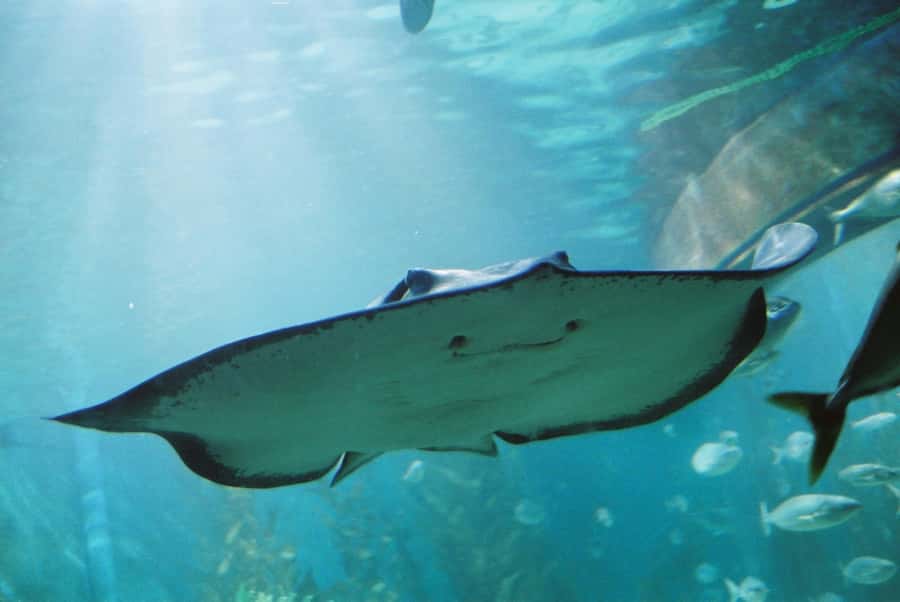
SEA LIFE Sunshine Coast brings you close to several animals that tend to hold children’s attention quickly. Seals and otters provide lively moments, while sharks bring the quieter sense of drama that makes aquarium visits memorable.
The seal show is another strong part of the visit. It gives you a scheduled feature to build your time around, although the supplied information does not provide show times, so check availability when you arrive.
I would place the seals and otters near the middle of your visit rather than rushing straight to them. Start by looking at the smaller displays, then spend time with the larger animals once you have a sense of the aquarium’s layout.
You should also expect a mix of active and still displays. Some animals move constantly, while others may be easier to spot after you pause and look carefully. That is especially true in reef and freshwater areas, where camouflage and slower movement are part of the experience.
Seahorses, jellyfish, and the smaller details
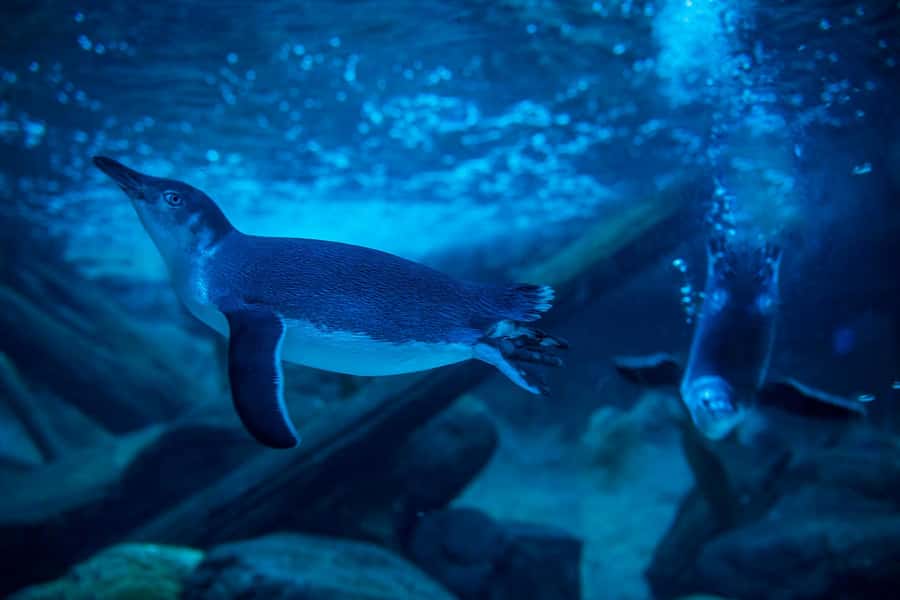
The Seahorse Sanctuary is one of the gentler parts of the aquarium. Seahorses move with a delicate, almost weightless rhythm, so this is a display to enjoy slowly rather than pass with a quick glance.
Jellyfish Kingdom offers a different mood. The animals have an almost ghost-like appearance as they pulse through the water. Their ancestors have existed for more than 650 million years, which gives this display a useful sense of scale. You are looking at animals with a very long place in Earth’s story, not simply an attractive tank.
The aquarium also includes moray eels and other animals that look fierce or unusual. I like this mix because it keeps the visit from becoming a parade of only colorful fish. Some creatures are beautiful, some are strange, and some look slightly intimidating.
Take your time at these smaller displays. The larger tanks naturally attract attention, but the seahorses and jellyfish are among the best reasons to slow down. They also provide a quieter change of pace if the main areas are crowded.
More Aquarium Entry Tickets in Australia:
- Cairns Aquarium Admission Ticket
★ 4.5 · 534 reviews - Cairns Aquarium General Admission Ticket
★ 4.6 · 422 reviews - SEA LIFE Melbourne Aquarium Admission Ticket
★ 3.5 · 280 reviews - SEA LIFE Sunshine Coast Aquarium Entrance Ticket
★ 4.0 · 146 reviews
Use the Tidal Touchpool carefully
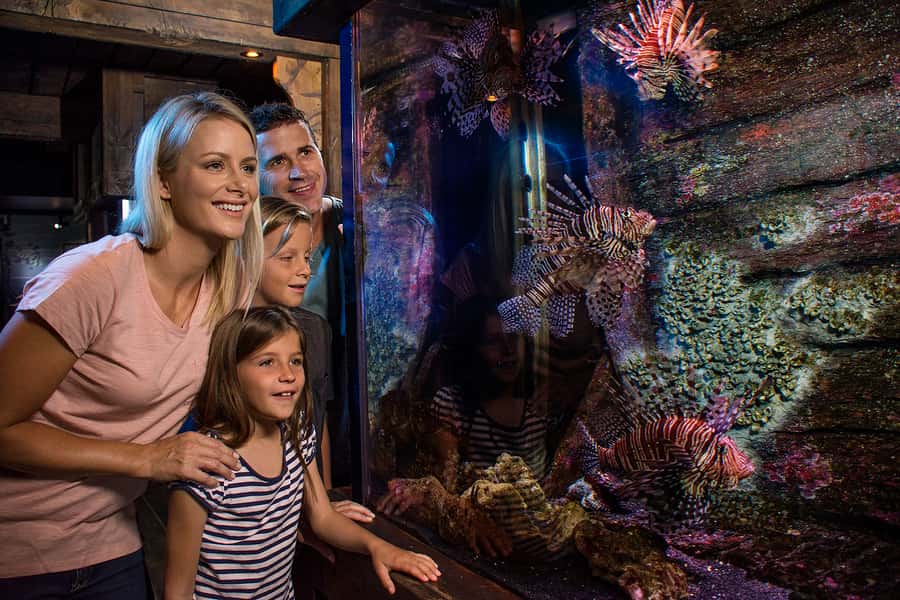
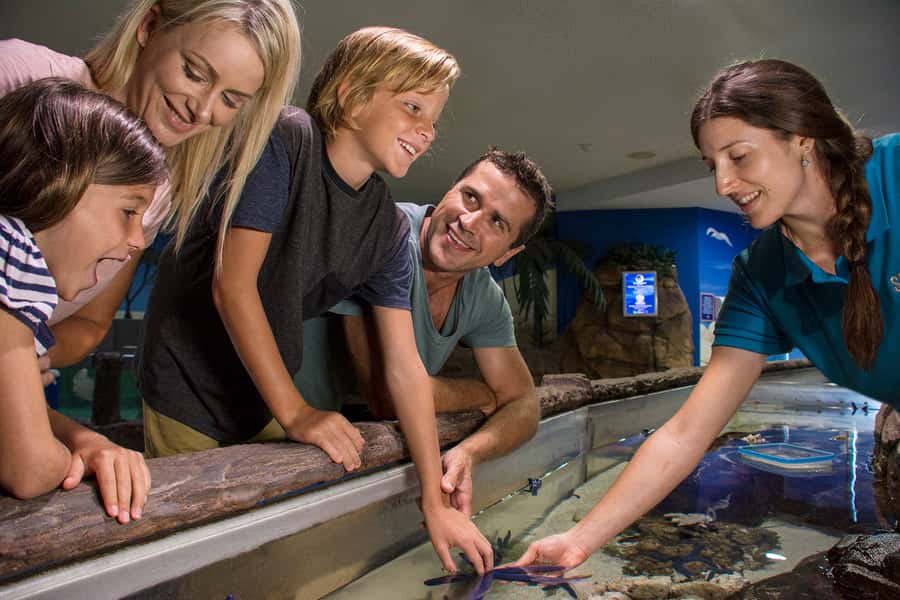
The Tidal Touchpool lets you touch sea stars, sea cucumbers, anemones, and other tidal creatures. This is one of the most useful parts of the aquarium for children because it turns a display into a direct sensory experience.
You should follow staff instructions and touch gently. Sea stars are not toys, and the value of the pool comes from learning how these animals feel and live, not from handling them for as long as possible.
The touchpool also helps explain the life found along Australia’s shores. You get a closer sense of the animals that live in the tidal zone, where water levels and conditions change regularly.
Expect this section to be popular. If several families are waiting, you may need patience. The area is worth visiting, but do not make it the only reason you book. The aquarium offers plenty of other displays if the pool is busy.
See coral gardens in the Pacific Reef
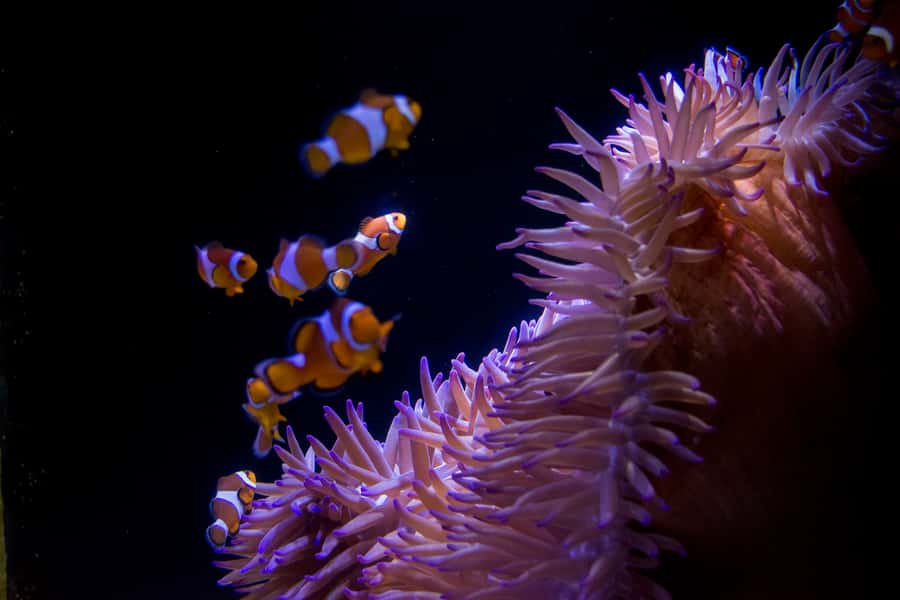
The Pacific Reef section brings together coral gardens, clownfish, and sea anemones. This is the colorful reef stop, and it gives you a clear look at how different species share one habitat.
Clownfish and anemones are familiar to many children, but seeing them together helps explain their relationship in a way a picture cannot. The reef display also gives you a chance to compare small, bright fish with the more unusual shapes and colors found elsewhere in the aquarium.
I would use this section to talk with children about habitats rather than simply naming animals. Ask what lives near the coral, what might hide there, and why damage to reefs affects more than one species.
The Pacific Reef is also a good place for people who prefer bright, easy-to-read displays. Still, do not expect the scale of a huge public aquarium. The attraction’s strength is the variety packed into a short visit, not a vast series of enormous tanks.
Explore the Coastal Wreck Zone
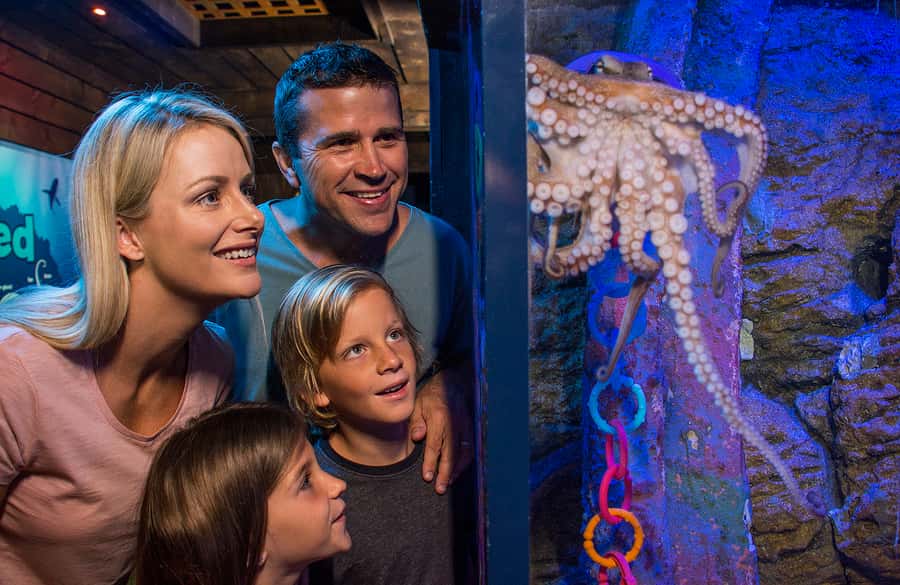
The Coastal Wreck Zone focuses on the creatures that live around Australia’s coastal reefs. The wreck setting gives the displays a clear theme and helps explain how man-made structures can become shelter for marine life.
Look for the small reef animals as well as the larger fish. Wreck habitats are often about hiding places, shelter, and surfaces for marine life to use. This section adds useful context to the brighter Pacific Reef displays.
I like the Wreck Zone because it gives the coastal story another angle. You are not only seeing a healthy coral setting. You are also considering the places where marine animals live around the coast and how different structures affect them.
Allow extra time if this section is new to you. A themed area can be easy to hurry through, but the point is to notice how many species use the same reef environment. The information provided describes it as a new zone, so it may be one of the more recent additions to the aquarium.
Do not skip the billabong displays
The billabong section changes the subject from saltwater to freshwater. You can learn about animals including freshwater sawfish, barramundi, and pacu, a fish related to the piranha.
This is an important part of the visit because it broadens your understanding of Queensland wildlife. The Sunshine Coast is not only about beaches and ocean animals. Inland waterways support their own set of species, and the billabong displays show that difference.
Freshwater sawfish are especially useful for understanding how unusual local wildlife can be. Barramundi will be familiar to many Australians, while pacu offers a less expected connection to piranhas.
I recommend visiting this area even if your main goal is to see sharks and seals. It adds variety and gives the aquarium a stronger local identity. You may also find it quieter than the most popular marine displays, depending on the time of day.
Conservation is part of the visit
The aquarium presents conservation work connected with the Sunshine Coast and local environments. You can learn about efforts to protect wildlife, fragile ecosystems, and the surrounding waters of Queensland.
This matters because the displays are not isolated from real places. The animals relate to coastal reefs, billabongs, tidal areas, and local marine habitats. Conservation information helps connect what you see in the tanks with the health of the natural world outside.
I prefer this approach to a visit based only on entertainment. The animal encounters are still the main attraction, but the conservation details give families something useful to discuss afterward.
The amount of conservation information you absorb will depend on how carefully you read the displays. If you are moving quickly, you may focus mostly on the animals. If you have extra time, pause at the habitat explanations and consider how each ecosystem supports different species.
Is the $28 admission good value?
At $28 per person, I consider this a fair price for a focused aquarium visit, especially if you value the Ocean Tunnel, seal show, touchpool, and conservation displays. The visit lasts 90 minutes to two hours, so this is not an all-day attraction.
The value improves when you use it as part of a larger Sunshine Coast day. You can see the aquarium, spend time around Mooloolaba, and avoid paying for an activity that takes up your entire schedule.
The price may feel less convincing if you expect a very large aquarium with hours of displays. The attraction is small enough that some people may finish sooner than planned. A visit of about 90 minutes is realistic, while two hours gives you time to stop at the touchpool, watch the seal show, read the conservation displays, and revisit favorite tanks.
Admission covers entry to SEA LIFE Sunshine Coast. Transportation, food, and drinks are not included, so you need to arrange your own way to Mooloolaba and budget separately for refreshments.
Timing, crowds, and practical planning
SEA LIFE Sunshine Coast is approximately one hour from Brisbane. If you are staying in Brisbane, transport time adds a major part to the outing, so I would combine the aquarium with other Sunshine Coast plans rather than travel only for a short visit.
The listed duration is 90 minutes to two hours. That estimate is sensible for most people, but crowd levels can change how easily you move through the aquarium. One visit can feel smooth, while another may involve waiting at the touchpool, Ocean Tunnel, or other popular areas.
Crowding is the main practical concern. Prams can make already narrow sections harder to move through, especially when families stop in front of popular tanks. If you have flexibility, choose a less busy starting time shown during booking and give yourself permission to pause rather than push through every display.
Last admission is at 4:00 p.m. daily. Do not plan to arrive near closing if you want to see the whole aquarium. A late entry may leave too little time for the seal show, touchpool, reef displays, and billabong area.
Free cancellation is available up to 24 hours before the visit for a full refund, and a reserve-now, pay-later option is offered. These policies help if your Sunshine Coast schedule is still shifting, but they do not replace checking the specific time and option you book.
Who will enjoy this aquarium most?
I would recommend SEA LIFE Sunshine Coast most strongly to families with children, couples looking for an indoor activity, and anyone interested in Australian marine and freshwater wildlife.
It also suits you if you want a short attraction with several different themes. In one visit, you can see seals, otters, sharks, seahorses, jellyfish, coral reef species, tidal animals, and billabong fish.
You may want to lower your expectations if you prefer huge aquariums or a full-day attraction. The compact size is helpful for a short schedule, but it also means the visit can feel brief.
People who enjoy quiet, detailed observation should arrive with enough time to stop at the smaller displays. People who mainly want animal action should prioritize the seals, Ocean Tunnel, and larger marine tanks.
Should you book SEA LIFE Sunshine Coast?
I would book it if you want a manageable Mooloolaba attraction with a strong mix of marine mammals, reef life, freshwater species, and hands-on learning. The Ocean Tunnel, seal show, Seahorse Sanctuary, and Tidal Touchpool give the $28 ticket several clear highlights.
I would skip it if you expect a huge aquarium or need a full-day activity. The attraction is compact, and crowding can make the walkways feel tight.
For the best visit, allow two hours, arrive well before the 4:00 p.m. last admission, and take your time in the Coastal Wreck Zone and billabong displays. Those areas add the local detail that makes this more than a quick look at colorful fish.
FAQ
Where is SEA LIFE Sunshine Coast?
SEA LIFE Sunshine Coast is in Mooloolaba, Queensland, on Australia’s Sunshine Coast.
How long does the aquarium visit take?
The stated duration is 90 minutes to two hours.
How much does admission cost?
The listed price is $28 per person.
What does the admission ticket include?
The ticket includes entrance to SEA LIFE Sunshine Coast Aquarium.
Is transportation included?
No. Transportation is not included.
Are food and drinks included?
No. Food and drinks are not included.
What time is the last admission?
The last admission is at 4:00 p.m. daily.
Can I see sharks at the aquarium?
Yes. The aquarium includes sharks, including views of marine life around the Ocean Tunnel.
Can I touch any animals?
Yes. The Tidal Touchpool allows you to touch sea stars, sea cucumbers, and anemones.
Can I cancel for a refund?
Yes. You can cancel up to 24 hours in advance for a full refund.
Just added around Australia
- Movie World, Sea World, & Wet’n’Wild Multi Park 1-Day Pass★ 4.1 · 4 reviews
- Busselton Jetty and Underwater Observatory★ 4.5 · 4 reviews
- Tomb of the Pharaohs and Cairns Aquarium Combo★ 5.0 · 7 reviews
- Cairns Aquarium and small group City Sightseeing Tour★ 5.0 · 10 reviews
- Gold Coast: Whale Watching Cruise & Sea World Entry★ 3.1 · 5 reviews
- Gold Coast: Jet Boat Ride & Sea World Entry Ticket★ 3.8 · 3 reviews
- Cairns: Aquarium and Tomb of the Pharaohs Entry Ticket★ 5.0 · 4 reviews
- Cairns Aquarium Turtle Hospital and City Sightseeing Tour★ 5.0 · 3 reviews
Sea Life Centres, compared.
London: Madame Tussauds, London Eye & SEA LIFE Combo Ticket
Read our review →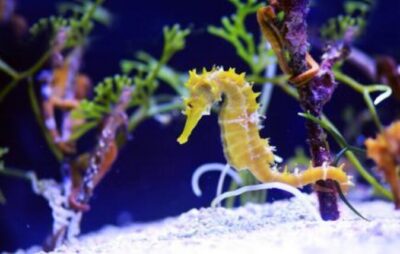
Big Fun Dolphin Cruise & Sealife Experiece ORANGE BEACH ALABAMA
Read our review →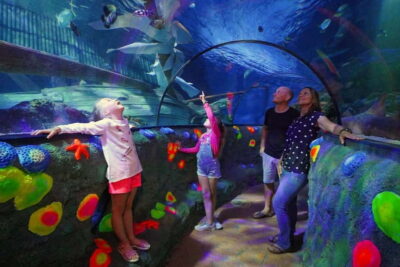
Browse the lists this tour appears in