
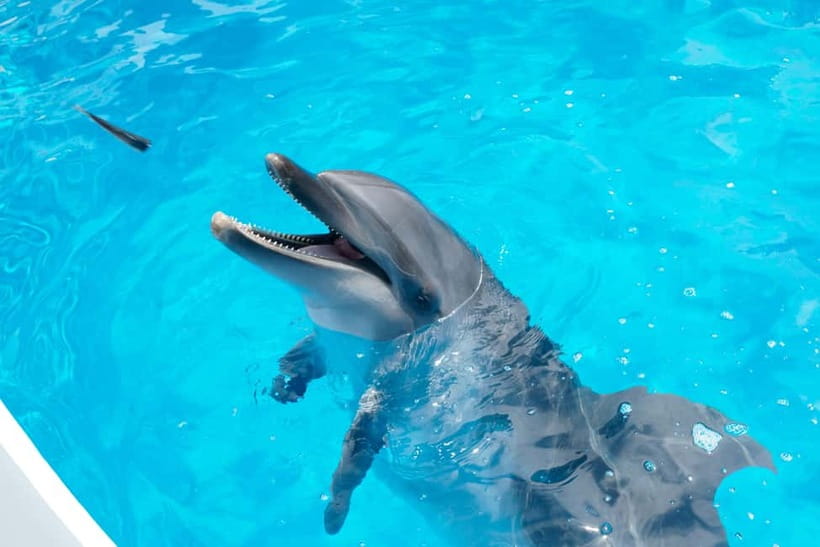
REVIEW · JAPAN
Kujukushima: Aquarium Umikirara Admission Ticket
The manta ray tank is one of the most memorable sights at Umikirara. You will also see fish from Kujukushima Bay feeding in a large tank, watch dolphins show their athletic skills, and learn how the local sea supports an unusual range of marine life.
I like the strong local focus, especially the explanations from a breeder and the chance to take home an Agoya oyster pearl. I also like the modest $9 admission price, which makes this an easy addition to a day in the Kujukushima area. The main drawback is that transportation, food, and extra hands-on activities cost more, and the ticket itself cannot be refunded.
Key points to know before you go
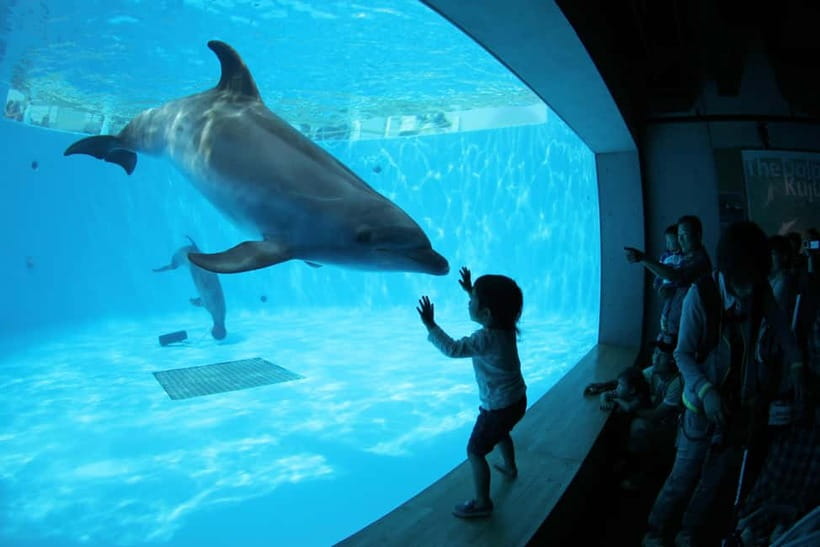
- The manta ray tank is a major highlight: Plan time to watch the ray move through the water and look closely at the larger displays.
- Kujukushima provides the theme: The aquarium focuses on creatures from the nearby bay and surrounding Japanese waters, not only on famous tropical species.
- Fish feeding comes with local explanation: A breeder describes the animals while you watch fish take bait in the Kujukushima Bay and Goto marine tanks.
- Dolphins are presented through behavior: You will see tricks while learning about dolphin intelligence and athletic ability.
- The pearl activity is a useful souvenir: You can take a pearl from an Agoya oyster, though detailed schedules and handwork arrangements should be checked ahead.
- Extra activities are limited: The mystery tour has space for 20 people and costs 300 yen, separate from admission.
Why Umikirara is more than a standard aquarium visit
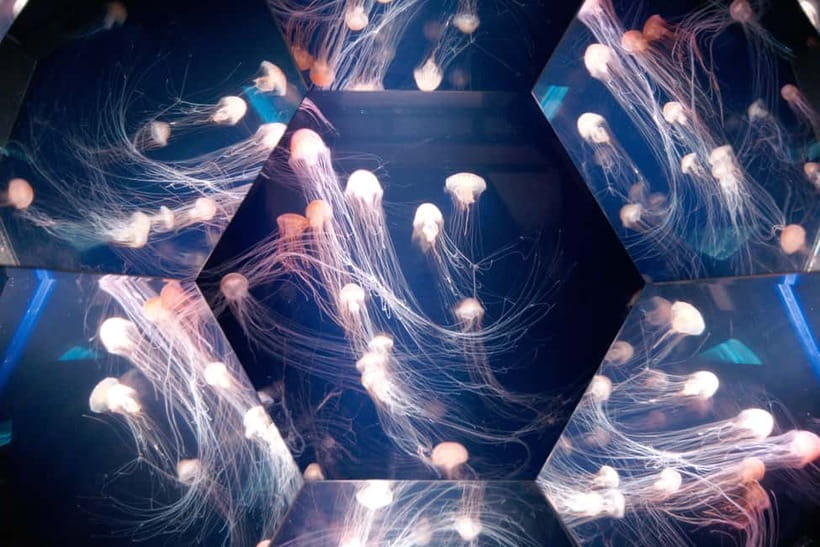
Umikirara is built around the sea directly beside Kujukushima, so the visit has a clear sense of place. You are not simply moving from one unrelated tank to another. The displays point back to the waters around the islands, their unusual seabed, and the creatures that live there.
That local angle matters. Kujukushima is described as home to about 1,000 fish species, while Japan’s surrounding seas support around 3,500 species. The aquarium also introduces the wider figure of roughly 20,000 fish species found around the world. These numbers give you a useful scale: the local bay may look small on a map, but its complicated terrain supports a great variety of life.
I like this approach because it helps you notice the difference between a regional aquarium and a large international attraction. The focus is not simply on the biggest animal in the building. You get a closer look at fish, jellyfish, crabs, shellfish, and other organisms that make up the working life of the bay.
More Aquarium Entry Tickets in Japan:
- Tokyo: Art Aquarium Museum GINZA Entry Ticket
★ 4.5 · 278 reviews - Tokyo: Sumida Aquarium Entry Ticket
★ 4.6 · 70 reviews - Tokyo: Sunshine Aquarium Entry Ticket
★ 4.6 · 55 reviews
Start with the Kujukushima Bay tank
Make the large Kujukushima Bay tank one of your first stops. The fish feeding session gives the display a clear purpose, since you can watch the animals respond to bait rather than seeing them drift past in a quiet tank.
A local breeder provides explanations during the feeding. That is valuable because the fish become easier to understand when you know what you are seeing and why the animals behave as they do. The supplied information does not give the breeder’s name, so you should not expect a named private guide. Instead, think of this as a scheduled aquarium explanation from someone who works with the animals.
The timing of the feeding may change for operational reasons. Check the schedule before you go, especially if this is the part of the visit you most want to catch. You can still explore the aquarium if the timing shifts, but the feeding adds movement and helps make the large tank more memorable.
Look closely at the different shapes and swimming patterns. The Kujukushima area has complex underwater terrain, and that variety helps support many kinds of organisms. You may find that the smaller species require more patience than the dramatic displays, but they are central to the aquarium’s local story.
Compare the Goto marine tank feeding
The Goto marine tank offers another chance to see fish feeding. Having two regional feeding displays gives you a useful comparison between nearby marine areas rather than treating all saltwater life as one broad category.
You should allow enough time to watch the full action at each tank. The feeding is not only about getting a closer look at fish eating. It shows how aquarium staff care for the animals and gives you a reason to pause at tanks you might otherwise pass quickly.
The exact schedule and content can change, so do not build a tightly timed day around one feeding alone. If a feeding is moved, use the extra time for the jellyfish, crab, and shellfish displays. The ticket is valid for one day, which gives you room to move at a comfortable pace.
Watch dolphins and learn what the tricks mean
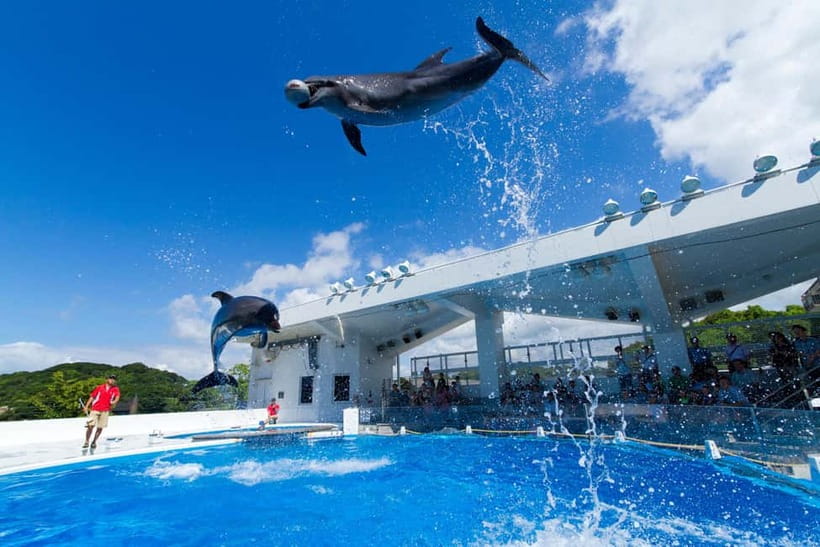
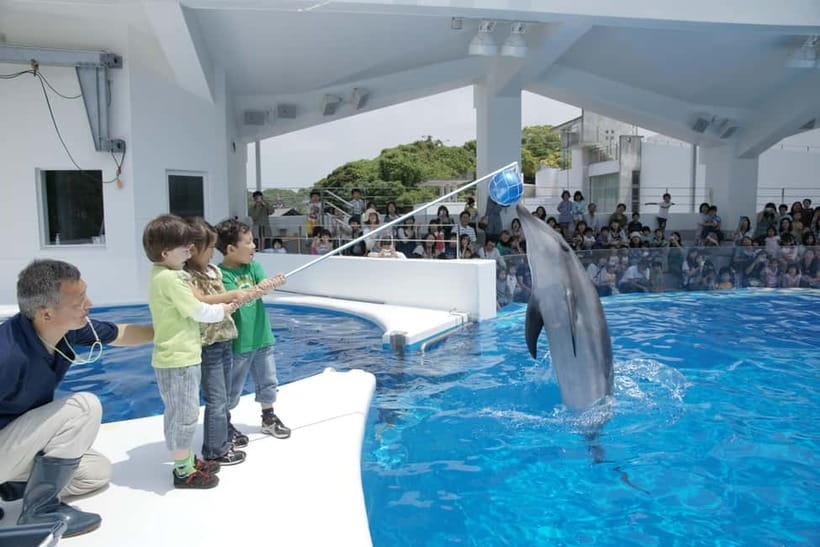
The dolphin presentation combines performance with information about intelligence and athletic ability. You will see dolphins carry out tricks, but the useful part is the explanation of what their behavior can tell you about these animals.
This section should suit families and anyone who enjoys seeing live animal behavior rather than only viewing creatures behind glass. The tricks provide the visual appeal, while the discussion gives the display more substance. You are encouraged to pay attention to how the dolphins move and respond, not just to wait for the next stunt.
There is no detailed schedule for the dolphin presentation in the supplied information, so check current times before arriving. Schedules can change for operational reasons. You should also remember that the aquarium does not allow you to touch marine life, even during a presentation or close viewing opportunity.
More Entry Tickets in Japan:
- Kobe: Urban Aquarium AQUARIUM×ART átoa Entry Ticket
★ 4.9 · 20 reviews - Tokyo Art Aquarium Museum E-Ticket with optional Tokyo Metro Pass
★ 5.0 · 17 reviews - Enoshima Aquarium: Admission Ticket
★ 4.4 · 14 reviews - Kyoto Aquarium Admission Ticket
★ 4.7 · 12 reviews
Look for the manta ray and larger fish
The manta ray tank deserves special attention. A short review of the visit singled out the tank where the manta ray was kept, making it the clearest individual highlight associated with this experience.
Give yourself time to watch the ray rather than taking only a quick photograph. Large marine animals often need a moment before their movement makes sense. The slow sweep of the animal can be a welcome change after the quick motion of feeding fish and dolphins.
The aquarium also gives you a chance to compare the manta ray with smaller regional species. This is where the visit works best: the big animal draws you in, then the surrounding displays show how much of the marine world is made up of less obvious creatures.
Bring a camera if you want photographs, but do not let the camera replace the viewing. Hat, sunscreen, and water are also sensible items to carry, particularly if you spend time outdoors around the aquarium or combine the visit with other Kujukushima stops.
Discover jellyfish, crabs, and shellfish
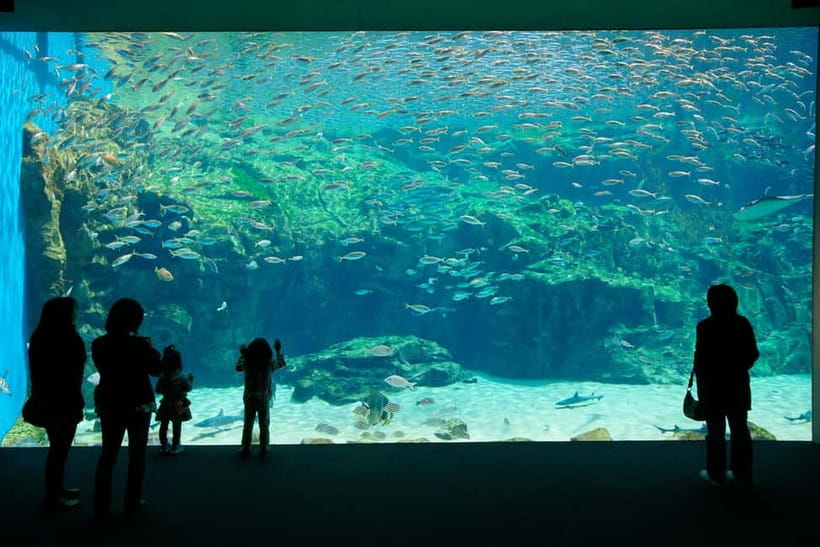
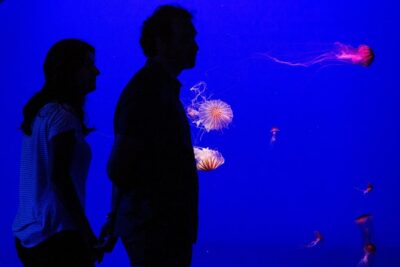
Umikirara presents more than 100 species of jellyfish, around 60 species of crabs along the coast, and about 120 species of shellfish. These figures point to one of the visit’s strongest features: its attention to animals that often receive little notice.
Jellyfish displays can be especially effective because their movement is easy to watch for a long time. The crab and shellfish sections add a different lesson, showing how many forms of life occupy the coast and seabed. You will get more from these displays if you slow down and read the explanations instead of treating them as filler between larger tanks.
The aquarium also includes biological specimens that you can observe closely. Some hands-on experiences may be available, but the detailed schedule and content need to be confirmed in advance. Do not assume that every specimen or plant may be touched. Touching marine life and plants is not allowed.
Take home an Agoya oyster pearl
The Agoya oyster pearl activity gives the visit a personal finish. Rather than buying a generic souvenir, you can take a pearl from an oyster connected to the local marine setting.
The information provided does not explain the exact process, time, or final jewelry options. Check ahead if this is important to you. Handwork experiences may have their own arrangements, and the schedule can require advance consultation.
The pearl is best viewed as a small keepsake, not as the reason to buy the admission ticket. The $9 ticket covers entry, while meals, drinks, transportation, personal purchases, and any extra activities are separate. If you want to keep costs low, enjoy the aquarium displays first and treat the pearl as an optional add-on.
Is the $9 ticket good value?
At $9 per person, admission is reasonably priced for a full day of access. The value is strongest if you care about local sea life, want to watch the feeding sessions, and plan to spend time with the dolphin presentation and special displays.
The ticket is less compelling if you only want a quick look at one large animal. In that case, the manta ray or dolphin section may be satisfying, but you may not feel that you used the full value of the pass. You will get more from the price by allowing time for the regional tanks, jellyfish, crabs, shellfish, and specimen displays.
There are no meals or beverages included, and you must arrange your own transportation to and from the aquarium. Personal expenses are also separate. These are normal exclusions for an aquarium admission ticket, but they matter when you are working out the day’s total budget.
The ticket is valid for one day. The activity is non-refundable, so check your date and plans carefully before booking. Since operating schedules may change, confirm the current times for feeding sessions, dolphins, and any special activity before you set out.
Who will enjoy this visit most?
I would recommend Umikirara to families, aquarium fans, and anyone exploring the Kujukushima area who wants a focused introduction to local marine life. The dolphins and manta ray provide the big visual moments, while the regional explanations give older children and adults something more useful to consider.
It is also a good stop for people who prefer a flexible visit. You can move between tanks, return to a favorite display, and fit the aquarium into a wider day in the area. The one-day validity gives you breathing room, though the supplied information does not specify whether re-entry is permitted.
People with animal allergies should take care before booking. The experience is also listed as unsuitable for wheelchair users and people prone to seasickness. You should check directly with the provider if your needs are not covered clearly by that description.
Wear comfortable shoes. Bring a hat, camera, sunscreen, and water. Do not plan to touch marine life or plants, and ask in advance about any handwork experience you want to join.
Should you book the Kujukushima aquarium ticket?
Book it if you want a low-cost, locally focused aquarium visit with a manta ray, dolphins, regional fish feedings, and a chance to take home an Agoya oyster pearl. The $9 entry price is easy to justify when you give yourself time to see the smaller displays as well as the headline animals.
Skip it if you need transportation included, want a fully guided tour with a named guide, or cannot manage a non-refundable booking. For most visitors already spending time in Kujukushima, though, Umikirara is a practical and worthwhile stop, especially if the local breeder’s feeding explanation and the manta ray tank appeal to you.
FAQ
Where is Umikirara located?
Umikirara is in the Kyushu region of Japan, in the Kujukushima area.
How much does admission cost?
Admission costs $9 per person.
How long is the ticket valid?
The ticket is valid for one day.
What is included in the ticket?
The admission ticket includes entry to the aquarium.
Are meals and drinks included?
No. Meals and beverages are not included.
Is transportation to the aquarium included?
No. You must arrange transportation to and from the aquarium yourself.
Can I see dolphins at Umikirara?
Yes. The visit includes a dolphin presentation featuring tricks and information about dolphin intelligence and athletic ability.
Can I take home a pearl?
Yes. You can take a pearl from an Agoya oyster as a souvenir. Check in advance for the detailed schedule and content of the handwork experience.
Is the mystery tour included?
No. The mystery tour has limited capacity of 20 people and costs 300 yen.
Just added around Japan
- Tokyo Sumida Aquarium E-Ticket with Optional Tokyo Metro Pass★ 4.5 · 8 reviews
- Explore Okinawa (Naha, Churaumi Aquarium) using Private Hiace Van★ 4.0 · 10 reviews
- Kyoto Aquarium Admission Ticket★ 4.7 · 12 reviews
- Kagoshima Aquarium Admission Ticket★ 3.0 · 4 reviews
- Enoshima Aquarium: Admission Ticket★ 4.4 · 14 reviews
- Tokyo Art Aquarium Museum E-Ticket with optional Tokyo Metro Pass★ 5.0 · 17 reviews
- Okinawa Full Tour: Castle, Manza, Kouri, Aquarium & American★ 5.0 · 17 reviews
- Kobe: Urban Aquarium AQUARIUM×ART átoa Entry Ticket★ 4.9 · 20 reviews
Aquarium Entry Tickets, compared.
Atlanta: Georgia Aquarium Skip-the-Box-Office Entry Ticket
Read our review →

Mallorca: Palma Aquarium Entry Ticket w/ Optional 3D Cinema
Read our review →
St Paul’s Bay: Malta National Aquarium Entry Ticket
Read our review →
Browse the lists this tour appears in