
REVIEW · JAPAN
Tokyo: Art Aquarium Museum GINZA Entry Ticket
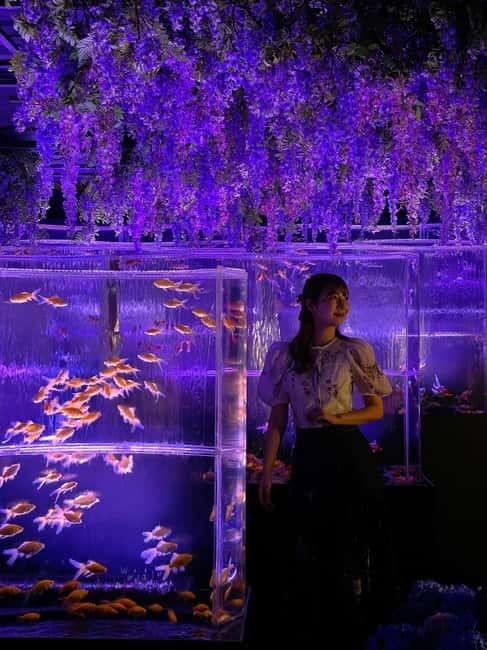
The Art Aquarium Museum GINZA turns goldfish into living art. Fish glide through sculptural tanks while colored lights shift, music fills the rooms, and gentle scents change the mood. The show takes an old Edo-period fondness for goldfish and gives it a polished modern setting.
I like the strong visual design, which gives you plenty to photograph without needing a long visit. I also like the seasonal changes, since a return visit can offer more than the same fixed display. The main drawback is size: plan on roughly 45 minutes to an hour, and less if you move quickly.
Key points to know before you go
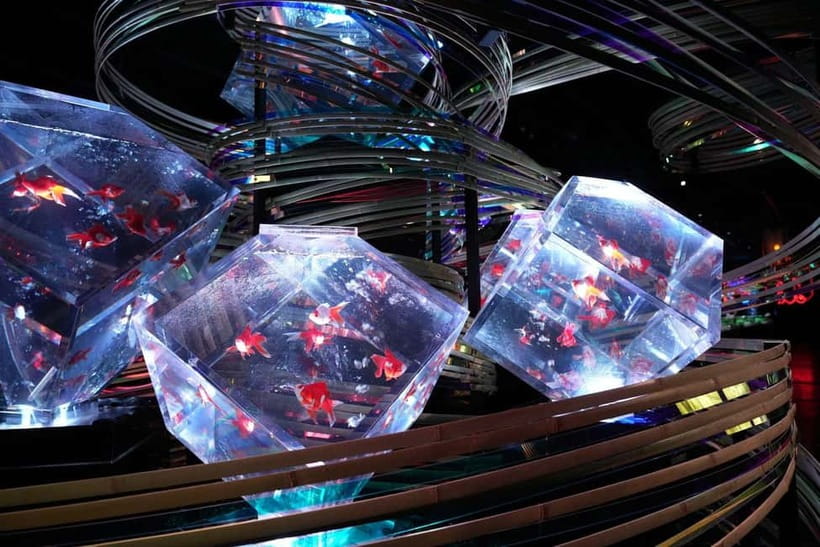
- Goldfish are the main attraction: The displays focus on the fish themselves, their movement, and their different forms.
- Light, music, and scent shape the visit: This is an art installation as much as an aquarium.
- The museum sits inside Ginza Mitsukoshi: Go to the 9th floor of the new building for admission and same-day tickets.
- Photography is allowed: Leave tripods, monopods, strobes, and extra lighting at home.
- The visit is compact: The estimated viewing time is about one hour, making it easy to fit into a Ginza day.
- Families get a useful break: Up to two children under elementary school age may enter free with one adult.
Goldfish as living art in central Ginza
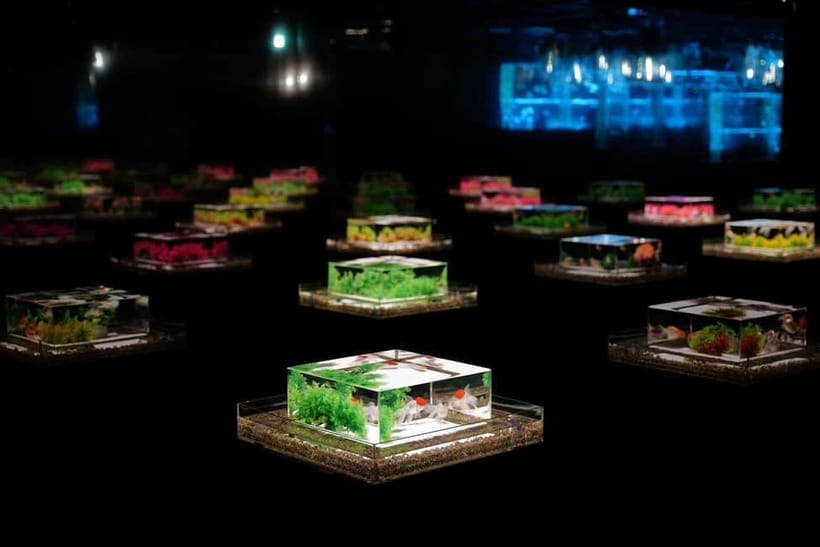
You do not come here for a traditional aquarium with wide tanks, lengthy species labels, or a large natural habitat. Instead, the Art Aquarium Museum GINZA presents goldfish in carefully arranged spaces where water, lighting, sound, scent, and architecture work together.
The fish remain the focus, but the room around them changes how you see them. A slow swim can look graceful under soft illumination, then take on a completely different character when the colors shift. The presentation asks you to pause and watch rather than simply walk from tank to tank.
That idea has roots in Edo-period Japan, when goldfish appreciation became a popular pastime. Here, that tradition is given a modern setting. The result is not a history museum, but you can still sense the connection between an old Japanese pleasure and a current art experience.
I find this setting best for people who enjoy visual atmosphere. You do not need to know anything about goldfish before entering. Basic information about the fish is available in English, which helps you understand what you are seeing without turning the visit into a formal lesson.
More Aquarium Entry Tickets in Japan:
- Tokyo: Sumida Aquarium Entry Ticket
★ 4.6 · 70 reviews - Tokyo: Sunshine Aquarium Entry Ticket
★ 4.6 · 55 reviews - Kobe: Urban Aquarium AQUARIUM×ART átoa Entry Ticket
★ 4.9 · 20 reviews
What your one-hour visit looks like
Your visit begins at Ginza Mitsukoshi, not in a separate street-level museum building. Admission reception and same-day ticket sales are on the 9th floor of the new building. This is worth noting because the department store setting can make the venue feel less obvious at first.
Once inside, you move through a series of aquarium displays and spatial presentations. The supplied information does not set out a fixed route or named rooms, so you should think of the experience as a short art walk rather than a guided tour with scheduled stops.
The first few displays give you a sense of the main ingredients: goldfish, illuminated tanks, music, and scent. As you continue, the variety comes from changes in shape, color, scale, and arrangement. Some displays may hold your attention for only a minute, while others invite you to wait for the fish to move into the right position for a photograph.
Allow at least 45 minutes if you want to look carefully. An hour is a comfortable target. One visitor spent about 30 minutes taking photographs during a quiet midweek morning, while another felt that 45 minutes to an hour was right for the compact exhibition. That difference tells you how flexible the visit can be.
If you are making a full day of Ginza, this short length is useful. You can combine it with shopping, a department-store meal, or other stops in the district without giving up half a day. If you expect a large aquarium with hours of exhibits, though, the compact size may leave you wanting more.
Light, music, and scent change the mood
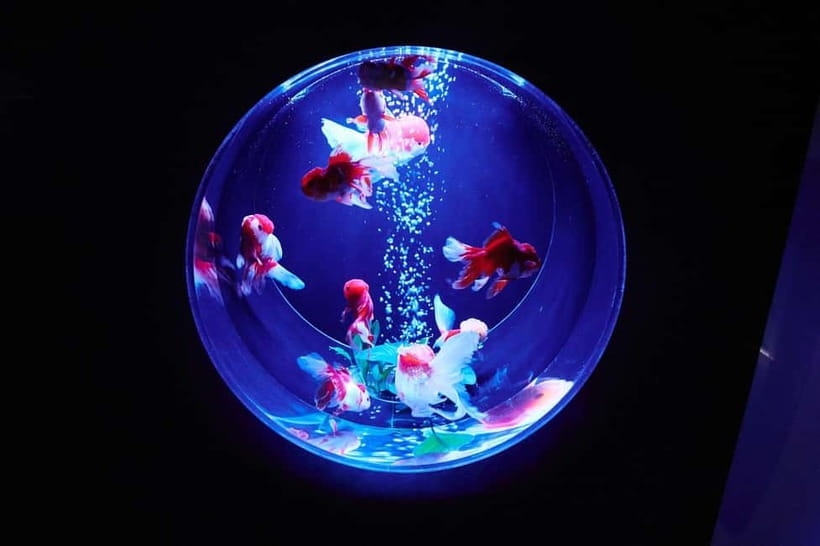
The most praised part of the experience is its presentation. The aquarium displays are designed to look beautiful under carefully chosen lighting, and the background music creates a calm, reflective mood. Scent adds another layer, giving certain areas an aromatherapy-like feel.
The music matters more than you might expect. You are not simply looking at fish behind glass. The sound encourages a slower pace and makes the rooms feel closer to an art exhibition than a standard animal display. If you like quiet, atmospheric settings, this may be one of the best reasons to visit.
At the same time, the sensory approach will not suit everyone equally. The fish, music, lighting, and scent compete for your attention. If you prefer plain aquariums where the animals and their habitats do all the work, the theatrical design may feel too controlled.
Lighting also affects photography. It creates the visual appeal, but it can make some shots difficult depending on reflections, movement, and the colors used in each display. You can take photographs, but you may need patience rather than equipment.
Why the photography rules matter
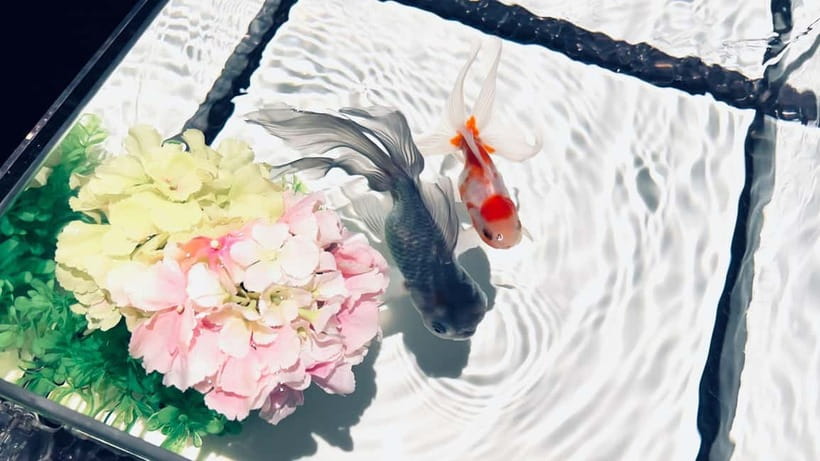
Photography is permitted, and the museum is a popular place for taking pictures. That makes sense: the glowing tanks and moving goldfish create images that look very different from ordinary aquarium snapshots.
You cannot use tripods, monopods, or similar support equipment. Strobes and other lighting equipment are also prohibited. Plan to photograph handheld and keep your setup simple.
For the best chance at clean pictures, a quieter time is helpful. A midweek visit around 10:30 in the morning can be a good choice, based on the reported experience of having only a few other people nearby. You will have more freedom to wait for a fish to move into position without blocking the walkway.
Even when the museum is not packed, other people may also be taking pictures. Keep moving after a few shots and avoid treating one display as a private studio. The compact layout means your courtesy affects everyone nearby.
The gift shop is another small bonus for photography-minded visitors and souvenir hunters. It offers Art Aquarium-related items, though the available products can change.
More Museum Visits in Japan:
- Tokyo Art Aquarium Museum E-Ticket with optional Tokyo Metro Pass
★ 5.0 · 17 reviews - Antalya: Aquarium and Wax Museum Entry Ticket
★ 4.4 · 192 reviews - Genoa: Aquarium, Galata Museum and Submarine Entry Tickets
★ 4.6 · 190 reviews - Antalya: Aquarium, Wax Museum & Combo Package Options
★ 4.1 · 128 reviews
Seasonal displays give the permanent museum some freshness
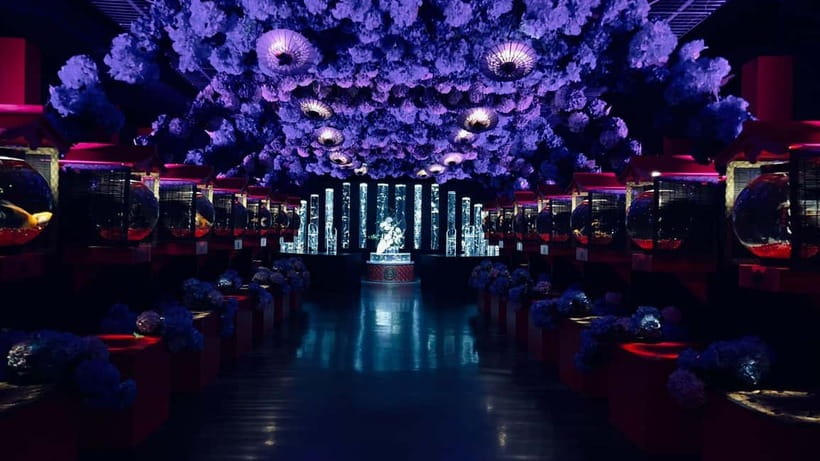
The Ginza venue opened in May 2022 as a permanent location. That gives you a chance to see the exhibition without waiting for a limited pop-up event, and the concept includes seasonal changes through the year.
Seasonal updates are especially useful if you have already visited once. One repeat visitor returned after two years and found more than half of the art had changed. That suggests the museum is not necessarily a one-time stop for people who enjoy the style.
Still, seasonal variation does not mean the entire experience changes every visit. The basic concept remains the same: goldfish in designed aquarium displays, supported by light, music, and scent. I would return if you are drawn to the visual style, but I would not promise that every repeat visit will feel entirely new.
The changing presentation also gives you a reason to match the museum to your Ginza plans. A display seen in one season may use a different mood from one shown later in the year. Closing days and opening hours can vary, so check current details before setting out.
Location and getting there
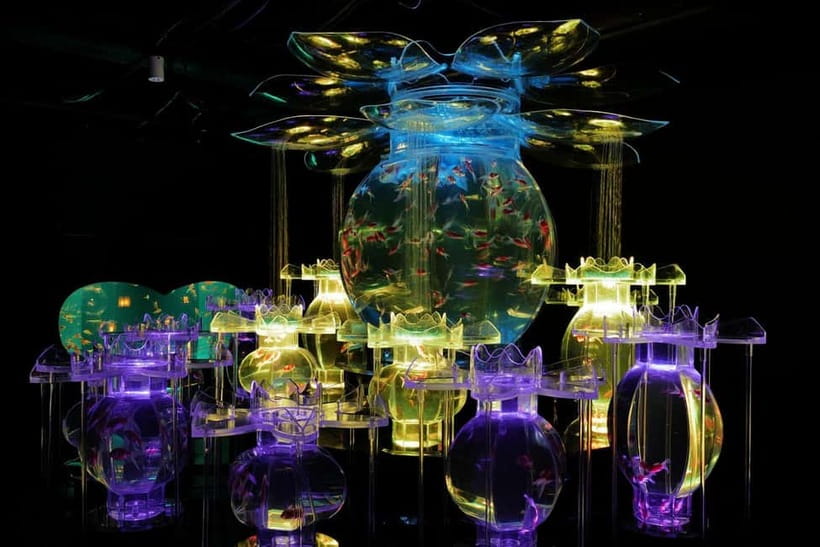
The museum is inside Ginza Mitsukoshi at 4-6-16 Ginza, Chuo-ku, Tokyo. The postal code is 104-8212. The easiest access point for many visitors is Exit A7 of Ginza Station, served by the Tokyo Metro Ginza, Marunouchi, and Hibiya lines.
You can also reach the department store from Ginza 1-chome Station. From Exit 9, it is about a five-minute walk. Higashi Ginza Station offers another convenient option, with about a two-minute walk through the underground passage toward Ginza Station.
That underground connection is useful in poor weather and helps you avoid some street crossings. Once you reach Ginza Mitsukoshi, remember that the reception desk and same-day tickets are on the 9th floor of the new building.
The location is convenient for a shopping and dining day in Ginza, but it is not a large stand-alone attraction surrounded by a full museum campus. One visitor found the area less useful than expected for additional sightseeing. I would plan the rest of your day rather than assuming the museum itself will fill several hours.
Is $17 a fair price?
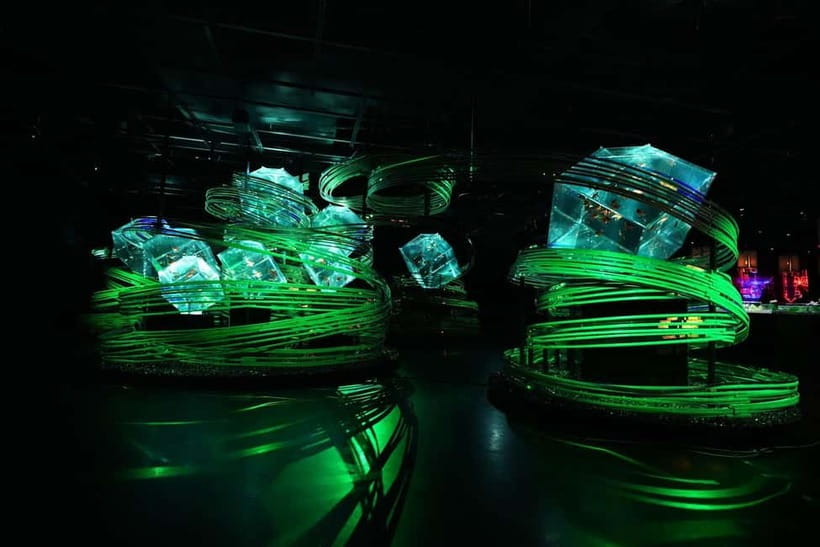
At $17 per person, the admission is reasonable if you value design, photography, and a short stop in a central location. You are paying for a carefully staged art experience rather than a long aquarium visit.
The value is strongest when you visit at a quieter time and take your time with the displays. If you spend 45 minutes to an hour watching the fish and photographing the installation, the price fits comfortably into a Ginza day. If you rush through in 20 or 30 minutes, it may feel expensive for the size.
The ticket becomes a better deal for families with young children. Up to two children under elementary school age may enter free with one adult. That benefit can reduce the total cost for a small family, although the compact, atmospheric format may appeal more to older children who can pause and look carefully.
Because the activity is non-refundable, check your day and expected arrival time before buying. The ticket is valid for one day, with available starting times shown during booking. Business hours and closing days may change, so confirm those details close to your visit.
Who will enjoy this most?
I would recommend the museum to you if you like:
- Photography and unusual visual settings
- Japanese design and contemporary art
- Short cultural stops in central Tokyo
- Calm music and atmospheric interiors
- Goldfish or ornamental fish
- Experiences that work well in bad weather
- A flexible attraction that fits between shopping and meals
It is also a sensible choice for a first visit to Ginza if you want something different from department stores and restaurants. You can reach it by several train lines and finish the experience in about an hour.
You may want to skip it if you are looking for a large aquarium with many species, long educational displays, or a half-day attraction. You should also think carefully about the animal presentation. One visitor felt that some fish looked poorly treated. The information supplied does not explain the museum’s care practices, so anyone with strong concerns about ornamental fish welfare may prefer to research that point before booking.
A practical plan for your visit
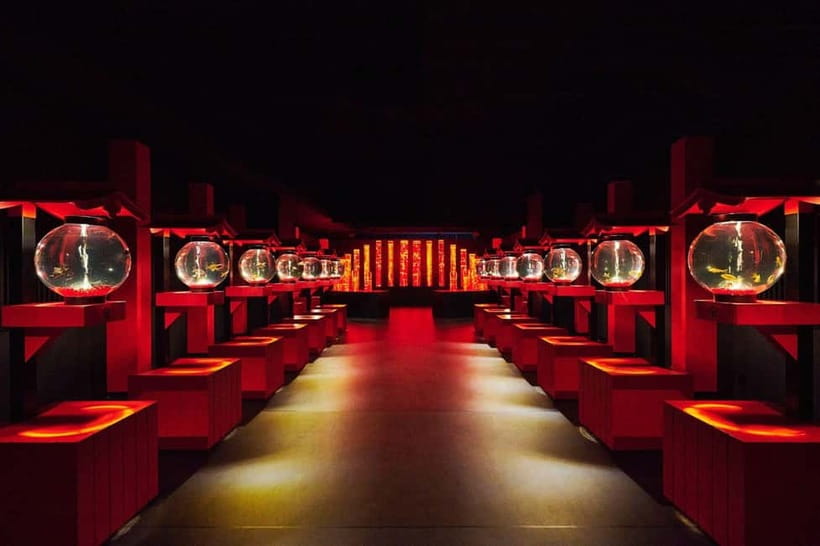
Try a midweek morning if photography is important. A 10:30 arrival was reported as especially quiet, with enough room to take pictures without interrupting other people.
Set aside about an hour, then keep extra time for the department store or the surrounding Ginza district. If you have young children, remember the free admission allowance for up to two children under elementary school age per adult.
Bring a phone or camera, but not a tripod, monopod, strobe, or lighting kit. Since no guide is included or named, expect to explore at your own pace rather than follow a person-led tour.
You can take photographs, but the space works best when you also put the camera down for a moment. The movement of the fish, changing color, music, and scent are the point of the visit, not just the final image.
Should you book the Art Aquarium Museum GINZA?
Book it if you want a polished, compact art experience with beautiful goldfish displays and strong photo opportunities. The $17 price is fair when you pair it with a Ginza day and give yourself close to an hour.
I would choose a quieter morning, especially if you care about photography. I would also check current hours and closing days, since the venue can vary its schedule.
Skip it if you expect a conventional aquarium or a long museum visit. For the right audience, though, this is an easy-to-fit Tokyo stop with enough atmosphere to feel special and enough flexibility to suit a busy day.
FAQ
Where is Art Aquarium Museum GINZA located?
It is inside Ginza Mitsukoshi at 4-6-16 Ginza, Chuo-ku, Tokyo. Admission reception and same-day tickets are on the 9th floor of the new building.
How do I reach the museum from Ginza Station?
Use Exit A7 of Ginza Station, served by the Tokyo Metro Ginza, Marunouchi, and Hibiya lines.
How far is the museum from Ginza 1-chome Station?
It is about a five-minute walk from Exit 9 of Ginza 1-chome Station on the Tokyo Metro Yurakucho Line.
How far is the museum from Higashi Ginza Station?
It is about a two-minute walk through the underground passage toward Ginza Station. Higashi Ginza is served by the Toei Asakusa Line and Tokyo Metro Hibiya Line.
How long should I allow for the visit?
The estimated viewing time is one hour. You can spend about 30 minutes if you move quickly, while 45 minutes to an hour allows more time for viewing and photography.
How much does admission cost?
The listed price is $17 per person.
Can young children enter free?
Yes. Up to two children under elementary school age may enter free with one adult.
Can I take photographs inside?
Yes, photography is permitted. Tripods, monopods, similar equipment, strobes, and lighting equipment are not allowed.
Does the museum change during the year?
Yes. The permanent venue includes seasonal changes. The displays may also change over longer periods.
Is the ticket refundable?
No. The activity is non-refundable. Check the date, starting time, closing days, and business hours before booking.
Just added around Japan
- Tokyo Sumida Aquarium E-Ticket with Optional Tokyo Metro Pass★ 4.5 · 8 reviews
- Explore Okinawa (Naha, Churaumi Aquarium) using Private Hiace Van★ 4.0 · 10 reviews
- Kujukushima: Aquarium Umikirara Admission Ticket★ 4.4 · 2 reviews
- Kyoto Aquarium Admission Ticket★ 4.7 · 12 reviews
- Kagoshima Aquarium Admission Ticket★ 3.0 · 4 reviews
- Enoshima Aquarium: Admission Ticket★ 4.4 · 14 reviews
- Okinawa Full Tour: Castle, Manza, Kouri, Aquarium & American★ 5.0 · 17 reviews
- Tokyo Art Aquarium Museum E-Ticket with optional Tokyo Metro Pass★ 5.0 · 17 reviews
Aquarium Entry Tickets, compared.
Atlanta: Georgia Aquarium Skip-the-Box-Office Entry Ticket
Read our review →

Mallorca: Palma Aquarium Entry Ticket w/ Optional 3D Cinema
Read our review →
St Paul’s Bay: Malta National Aquarium Entry Ticket
Read our review →
Browse the lists this tour appears in